
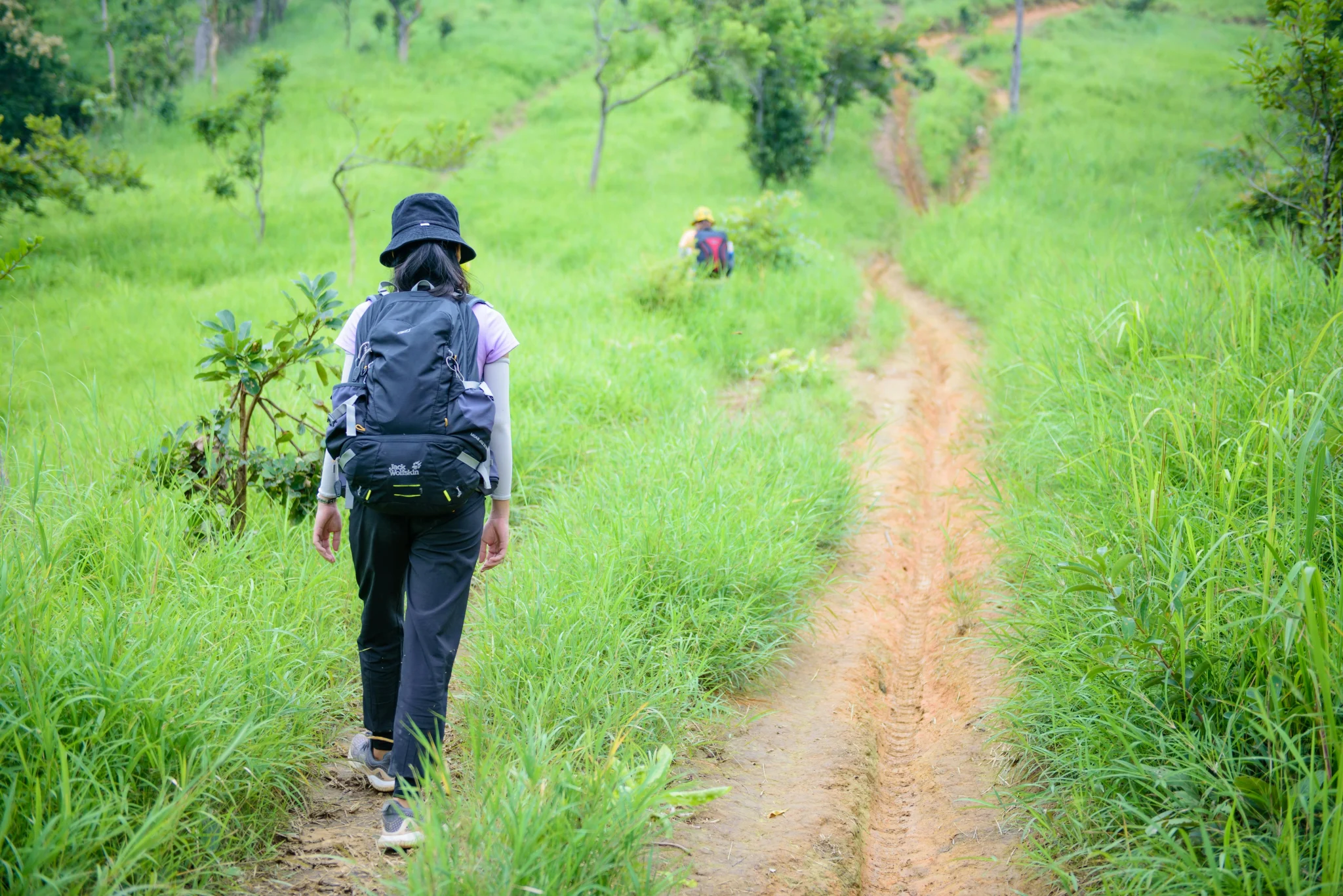
Beginner hikers often feel strong early in a trail outing, which can make the full route seem easier than it really is. The first part of a hike often includes fresh legs, strong motivation, and a natural sense of excitement. That combination can hide how much energy the body is actually using in the background.
Outdoor educators often explain that first hikes feel easiest in the opening stretch because the body has not yet paid the full cost of pace, footing, climbing, and weather. Fitness specialists also note that beginner hiking fatigue usually arrives gradually, not all at once. This is why the second half of a hike can feel much harder than the first half suggested.
Why beginner hikers often feel strong early on the trail
One reason beginner hikers often feel strong early is that the body starts with full energy and very little accumulated strain. The legs are fresh, attention is high, and the trail still feels new. A moderate path can therefore seem surprisingly easy in the opening minutes, even if it will not feel that way later.
Outdoor instructors often explain that beginners may mistake this early comfort for proof that the route will remain easy. In reality, the body is simply at the beginning of the effort cycle. The trail has not yet had enough time to show how distance, pace, and conditions will add up.
How early trail pacing creates hidden problems later
Early trail pacing often shapes the rest of the hike more than beginners realize. When the trail feels comfortable, many hikers move a little faster than the route really supports. That faster beginning may not seem costly right away, but it often reduces energy that would be more useful later on hills, descents, or rougher footing.
Fitness specialists often note that early pace mistakes are common because the body gives very little warning in the first part of the hike. A hiker may feel smooth and capable while already using more energy than needed for the long view of the route. Later, that small overspending becomes much more obvious.
Why first hike energy can feel misleading
First hike energy often feels stronger than expected because the trail still holds novelty. Beginners may focus on the scenery, conversation, or the simple satisfaction of being outdoors. That keeps attention off effort for a while. The body is still working, but the mind is not yet paying close attention to what that work may cost later.
Outdoor psychologists often explain that new experiences can temporarily reduce the feeling of effort. This does not remove the physical demand. It only delays when the hiker fully notices it. That is one reason beginner hikers often feel strong early and then suddenly wonder why the route seems to have changed so much.
Credit: Pixabay / Pexels
How uneven footing quietly increases beginner hiking fatigue
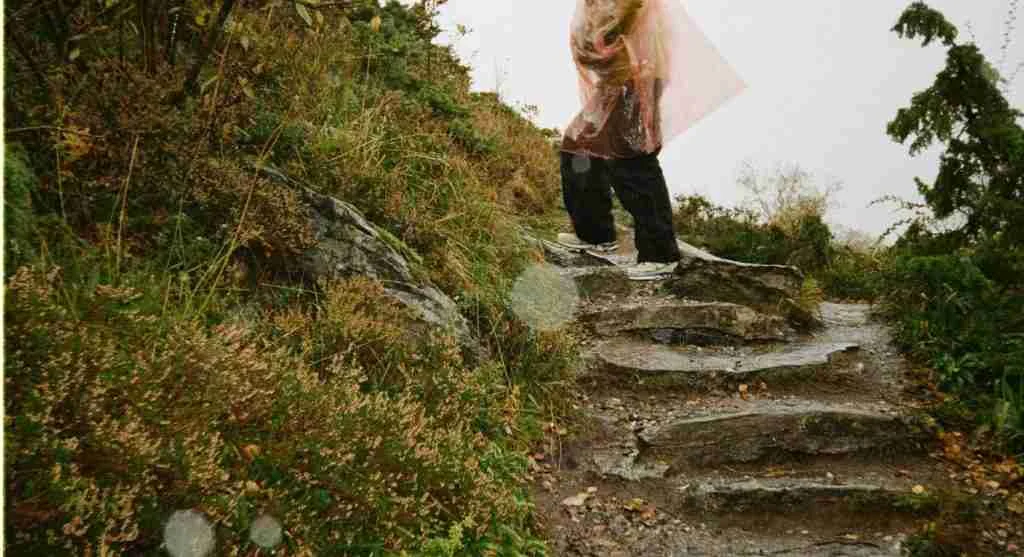
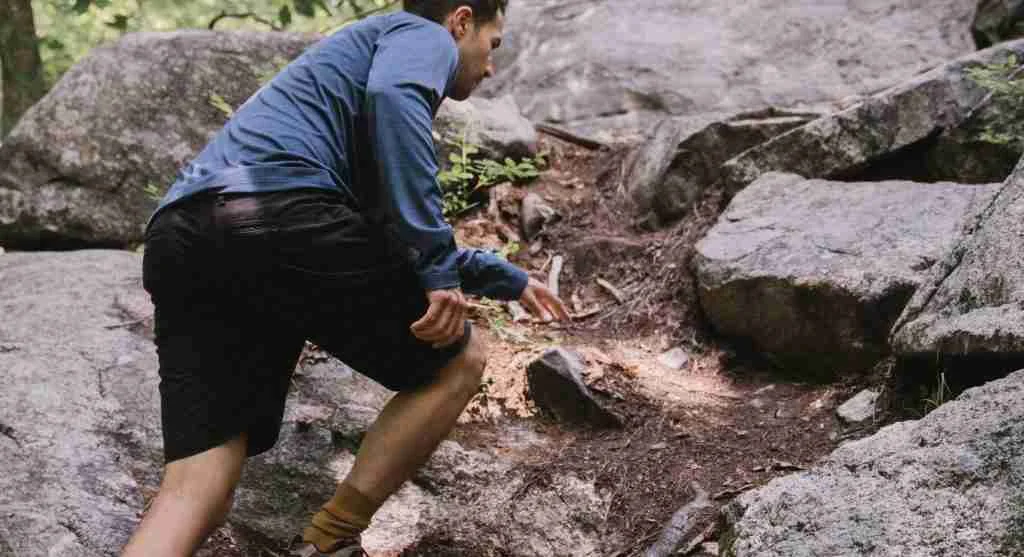
Beginners often expect tiredness to come mostly from distance or steep climbs. In practice, uneven footing can drain energy too. Rocks, roots, loose dirt, and small step-ups require extra balance and extra correction with every step. A trail that does not seem difficult on paper may therefore feel much harder later once all those small efforts have accumulated.
Movement educators often explain that fresh bodies absorb this extra work easily at first. Later in the hike, though, the same footing begins to feel more demanding because the legs no longer have the same reserve. This is one reason beginner hiking fatigue often feels surprising instead of predictable.
Why small climbs feel bigger later in the hike
A short climb may feel minor near the trailhead and much larger on the way back. This often confuses beginners because the hill itself has not changed. What changed is the body meeting it. Beginner hikers often feel strong early enough that they barely notice moderate rises. Later, even a simple incline can feel like a real effort.
Outdoor coaches often explain that the trail is not becoming unfair. The body is simply beginning to reveal the cost of everything that came before. Once hikers understand this, they usually pace more calmly and feel less surprised by the second half of the route.
How warm weather makes the drop in energy happen faster
Warm conditions often speed up the change from early confidence to later fatigue. A hiker may begin in mild comfort, then find that sun exposure or rising midday temperatures are slowly increasing the work of every step. Because that shift happens gradually, the trail may feel much harder before the hiker fully connects the reason to heat.
Outdoor health educators often note that this is why beginners sometimes think they simply are not fit enough for a route. In many cases, weather played a larger role than they realized. The body was not only walking the trail. It was also managing heat for a long stretch of the day.
Why beginners often notice the problem on the return
The return trip often reveals the real lesson of a first hike. Outgoing sections feel exciting and forward-looking. Returning sections often feel slower because the body is more tired and the scenery is less new. Beginner hikers often feel strong early and tired later because the trail’s full effect usually becomes clear only after the halfway point.
Outdoor educators often recommend treating the return as part of the main challenge, not as the simple part after the interesting section is over. This small change in thinking often helps beginners choose better distance and better pace from the start.
How food, water, and short pauses affect energy more than expected
Many beginners wait until they feel clearly tired, thirsty, or hungry before using water, snacks, or short rests. By that point, the body may already be lagging behind what the route needs. First hike energy often lasts longer when small support happens earlier, before clear fatigue arrives.
Outdoor fitness specialists often explain that better trail comfort usually comes from prevention rather than recovery. A short pause in shade, a few sips of water, or a small snack at the right time often helps the second half feel steadier than trying to fix everything once the route already feels difficult.
How beginners can make the full hike feel more balanced
Beginners usually do better when they treat early strength as useful but temporary. That means using a calmer starting pace, choosing manageable distance, and expecting the trail to feel different later in the day. When that expectation is built into the plan, the route often feels more honest and more comfortable.
Outdoor instructors often suggest one simple question in the first part of the hike: could this pace still feel good an hour from now. That question helps beginners slow down just enough to protect later energy. In many cases, the strongest hikers are not the ones who feel fast early. They are the ones who still feel steady later.
Credit: Lum3n / Pexels
Frequently Asked Questions
Q: Why do beginner hikers feel strong at the start of a hike?
A: Fresh energy, high motivation, and trail excitement often make the first part of a hike feel easier than the full route will actually feel later.
Q: Why does fatigue seem to arrive suddenly later on?
A: It usually builds gradually. Early pace, uneven footing, small climbs, and warm conditions often add up quietly before the body begins showing clearer signs of tiredness.
Q: Is this mostly a beginner problem?
A: It happens to many hikers, but beginners often notice it more because they are still learning how trail pace, distance, and conditions combine over time.
Q: How can beginners avoid this early-strong, later-tired pattern?
A: Many hikers do better with a calmer start, realistic distance, earlier water and snack breaks, and the expectation that the second half of the hike will feel different from the first.
Key Takeaway
Beginner hikers often feel strong early because fresh energy can hide how much the trail is quietly asking from the body. Early trail pacing, uneven footing, weather, and small climbs usually become more noticeable only later, when beginner hiking fatigue has already built. The easiest way to improve a first hike is often to respect that early strength without trusting it too much.