
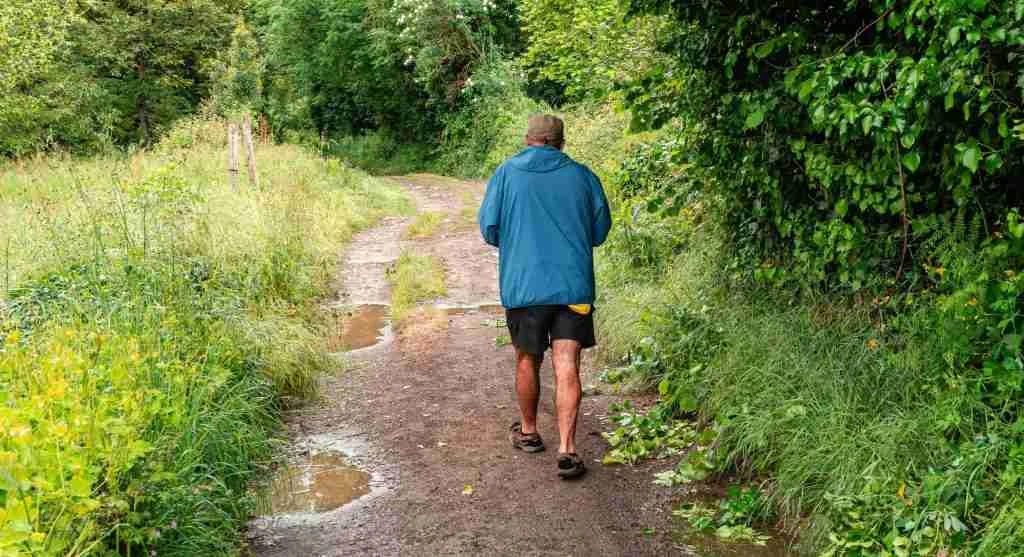
Outdoor educators often explain that hiking effort is not measured only by elevation gain. Distance, repetition, surface firmness, weather, and rhythm all shape how the body experiences the day. This is why flat trails can still feel tiring to hikers after a long stretch, even when the route never becomes obviously steep or rough.
Why flat trails often feel easier than they really are
One reason flat trails get underestimated is that they do not announce difficulty clearly. A hill makes effort obvious right away. A flat trail often feels forgiving in the first mile, which encourages hikers to assume the whole route will stay comfortable. That early comfort is real, but it can hide how much repeated walking the body is already doing.
Outdoor instructors often explain that flat routes are often tiring because they seem too harmless to respect. Hikers may walk a little faster, delay a snack, or ignore early heaviness because nothing about the terrain looks demanding enough to justify extra caution.
How repeated movement builds hidden fatigue
Repeated movement is one of the biggest reasons flat trails can still feel tiring. Even without climbing, the body is still taking thousands of steps, landing again and again, and carrying the same pack for the full route. When the trail stays flat for a long time, the body often uses one repeated movement pattern with very little variation. That can build fatigue quietly.
Fitness specialists often note that repeated moderate effort can feel surprisingly tiring because the body never gets a clear reason to slow down early. The route looks manageable, so the hiker keeps moving, and the cost only becomes obvious much later.
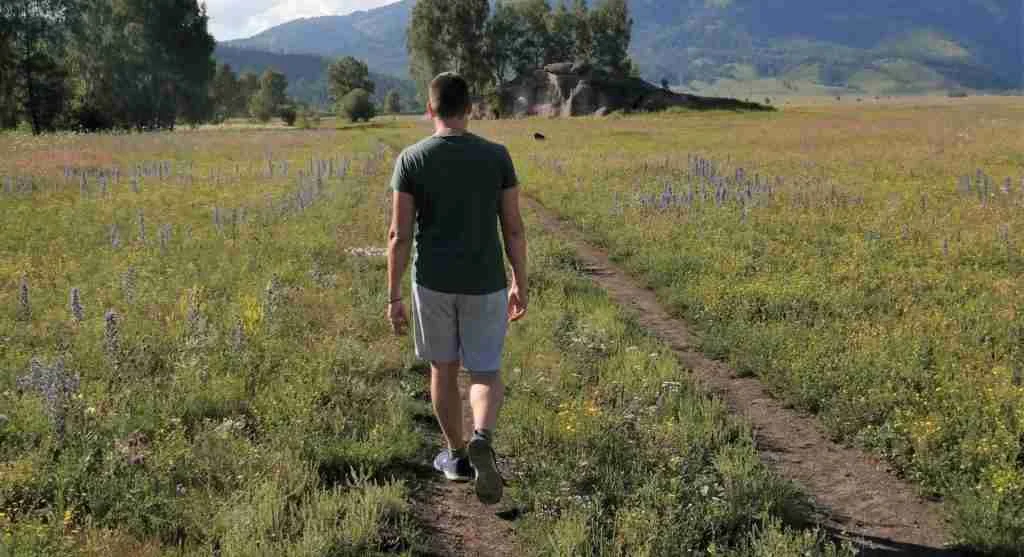
Why flat trails often encourage pace mistakes
Flat ground often invites a pace that feels sustainable but turns out to be just a little too strong for the full route. Because there is no climb forcing a slowdown, hikers may settle into a quicker stride without realizing how steadily it is spending energy. Later, the trail still looks simple, but the body feels much less smooth.
Outdoor coaches often explain that flat routes are where pace mistakes hide best. The body can hold a slightly over-strong rhythm for quite a while before the later fatigue reveals that the easy-looking trail was taking more than expected.
How firm surfaces make flat trails more tiring
Many flat trails are also firm trails. Packed dirt, gravel paths, dry wide tread, or other hard surfaces often make the route look very easy. Over distance, though, firm landings can wear on the feet and legs. The trail never becomes technically difficult, but it can still feel physically draining because every step lands with similar force and very little softness.
Movement specialists often explain that flat does not always mean gentle. A flat hard trail can still be tiring because the body keeps repeating the same impact pattern for mile after mile.
Why low visual change makes distance feel heavier
Flat trails often include long repeated scenery too. The path may continue through similar trees, similar open ground, or similar brush for a long time without strong visual shifts. When scenery changes less, progress often feels slower. The trail may therefore seem longer and more tiring even if the actual pace has not dropped dramatically yet.
Outdoor psychologists often note that variety helps the brain feel movement more clearly. When the view changes very little, the route often feels stretched, and the body begins reading the same distance as a larger effort.
How weather still matters on flat ground
Flat trails are also shaped by weather more than many hikers expect. A little warmth, humidity, wind, or dry air can quietly raise the cost of movement. Because the terrain is not dramatic, hikers often assume any fatigue must be small too. In reality, steady conditions over a long flat stretch can gradually make the body feel much more tired than the easy trail shape suggested.
Weather educators often explain that mild conditions over time often matter more than hikers think. A flat trail in warm, still air can feel surprisingly draining because the body keeps working without strong terrain cues to slow down or reset earlier.
Why flat trails can feel mentally tiring too
Some flat routes are tiring not only because of physical repetition, but also because they require patience. The trail may not challenge the body sharply, but it can challenge attention. If the route feels repetitive and the destination still seems far away, the mind often starts feeling the distance more heavily than expected.
Outdoor guides often explain that flat trails can feel mentally long because they offer fewer obvious milestones. A climb, descent, or major terrain feature naturally breaks the day into sections. A flat trail often makes hikers create those sections for themselves or else the route begins feeling endless.
How small support mistakes show up later on flat routes
Flat hikes also make it easier to delay simple helpful habits. Hikers may postpone drinking because they do not feel hot enough. They may delay a snack because they are not climbing. They may ignore early foot fatigue because the trail still looks manageable. Those small delays often show up later as slower movement and lower comfort on a route that still appears easy.
Outdoor health educators often note that flat trails often hide the need for support. The body may not feel urgent strain, but it can still benefit from earlier water, better pacing, and steadier food timing.
How hikers can manage long flat trails better
The best response is usually simple. Many hikers do better by pacing flat trails with more intention instead of treating them as automatic easy ground. A steadier rhythm, earlier hydration, and realistic respect for repeated distance often make a huge difference. It also helps to break the route mentally into smaller sections instead of judging it as one long simple walk.
Outdoor coaches often recommend asking a quiet question on flat routes: does this still feel easy, or does it only look easy? That question often helps hikers respond earlier before the trail starts feeling strangely heavier than it should.
Why understanding this improves trail planning
Many hikers plan around elevation and distance but underestimate how tiring a long flat route can become. Once hikers understand that flat trails can still feel tiring, route choices become more realistic. A flat hike no longer gets treated like free mileage. It gets the pacing, support, and timing attention it actually deserves.
Outdoor educators often explain that strong trail judgment comes from asking how the whole route will feel over time, not only how dramatic the terrain looks at the start. Flat trails often teach that lesson very clearly. They may not demand sudden effort, but they often demand steady effort for longer than hikers first expect.
Frequently Asked Questions
Q: Why can a flat trail still feel tiring?
A: Because long repeated walking, firm surfaces, pace mistakes, and low variation can quietly drain energy even without major climbs.
Q: Are flat trails easier than hilly trails?
A: Sometimes yes, but not always. Long flat routes can still feel very tiring over time, especially when hikers underestimate distance and repeated effort.
Q: Why do hikers often go too fast on flat trails?
A: Flat terrain looks manageable, so hikers often settle into a stronger pace than the full route can support comfortably later.
Q: What helps most on a long flat hike?
A: Many hikers do better with a steady pace, earlier hydration, small food support, and realistic respect for the repeated effort of long easy-looking ground.
Key Takeaway
Flat trails can still feel tiring after a long stretch because distance, repetition, firm surfaces, and hidden pace mistakes quietly drain energy over time. The route may never look dramatic, but the body still pays for every step. When hikers pace flat trails more deliberately, the whole day usually feels far easier to manage.