
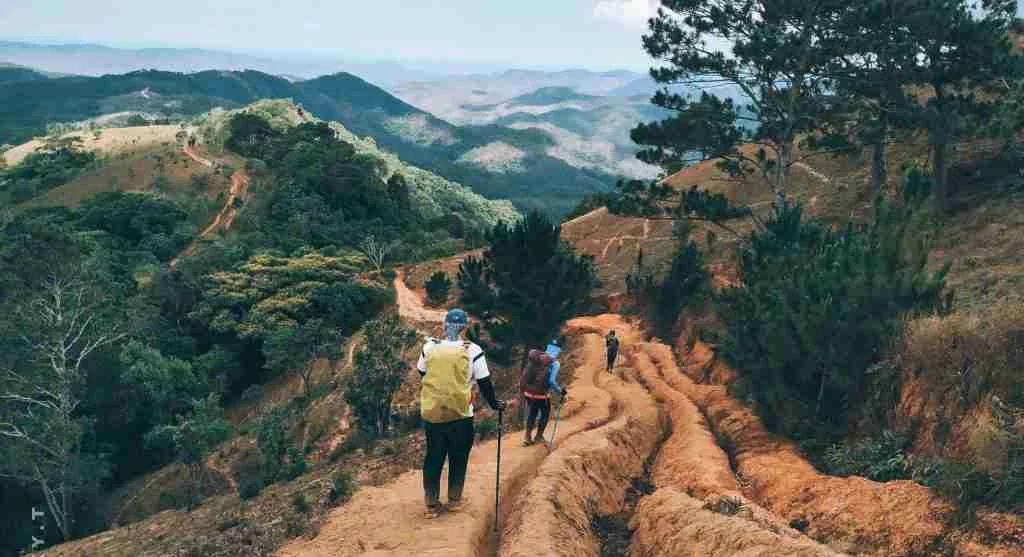
Outdoor educators often explain that downhill sections do not remove effort as much as they change it. Fitness specialists also note that long descents often make hikers feel stiff because the body is not simply walking down. It is repeatedly controlling speed, absorbing landings, and preventing momentum from pulling movement too far forward. That hidden work can build up quietly until the lower body starts feeling tight even though the route has stopped climbing.
Why downhill sections can create stiffness instead of relief
One reason longer downhill sections cause stiffness is that the body must stay controlled for nearly every step. On level ground, movement often feels more natural and rolling. On descents, the legs and hips often work like brakes. Instead of pushing the body upward, they keep slowing it down. That repeated control can make the muscles feel more tired and less fluid than hikers expect from a route that is technically going downward.
Outdoor instructors often explain that hikers sometimes confuse downhill with rest. In reality, downhill often replaces one kind of work with another. The effort is less obvious than climbing effort, but it can still become very demanding over time.
How repeated braking affects the legs
Repeated braking is one of the biggest reasons hikers feel stiffer after longer downhill sections. Each step asks the thighs, knees, calves, and hips to help manage forward motion. When this happens once or twice, it feels small. When it happens hundreds of times across a long descent, the body begins feeling that repeated strain much more clearly.
Movement specialists often note that braking effort is tiring because it rarely allows the lower body to fully relax. The muscles stay engaged longer than hikers realize, especially on trails where the descent continues without many truly easy interruptions.
Why careful landings make the body feel tighter
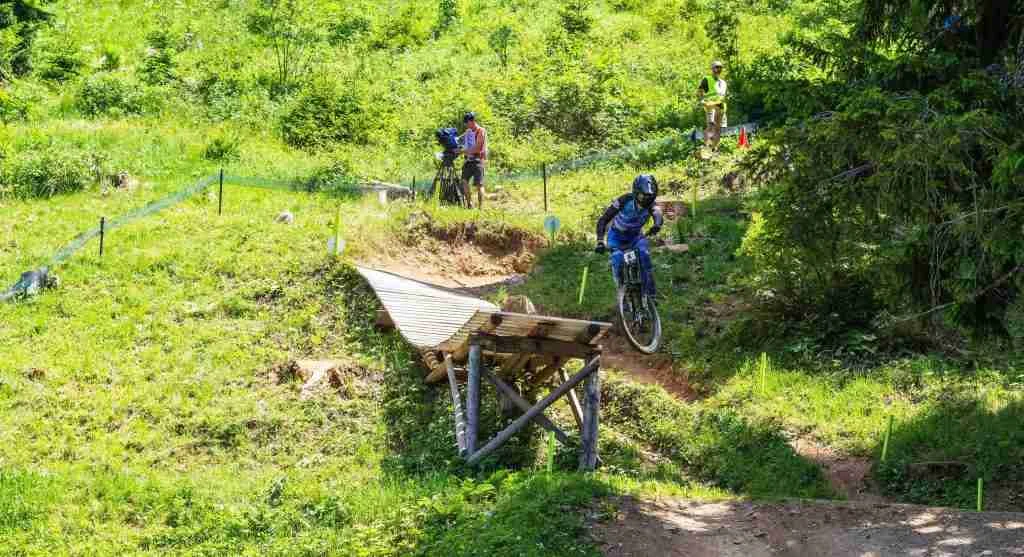
On descents, each landing matters more. The body often shortens stride, places the feet more carefully, and uses extra tension to stay balanced. That can be helpful and safe, but it often creates a stiffer overall pattern of movement. A hiker may not notice it in the first few minutes, yet after a long downhill section the body often begins showing the cost of that constant careful control.
Outdoor guides often explain that stiffness often appears when movement becomes controlled for too long without enough smoother sections in between. The trail may look simple from a distance, but the body knows it has been protecting itself step after step.
How rough descents make stiffness worse
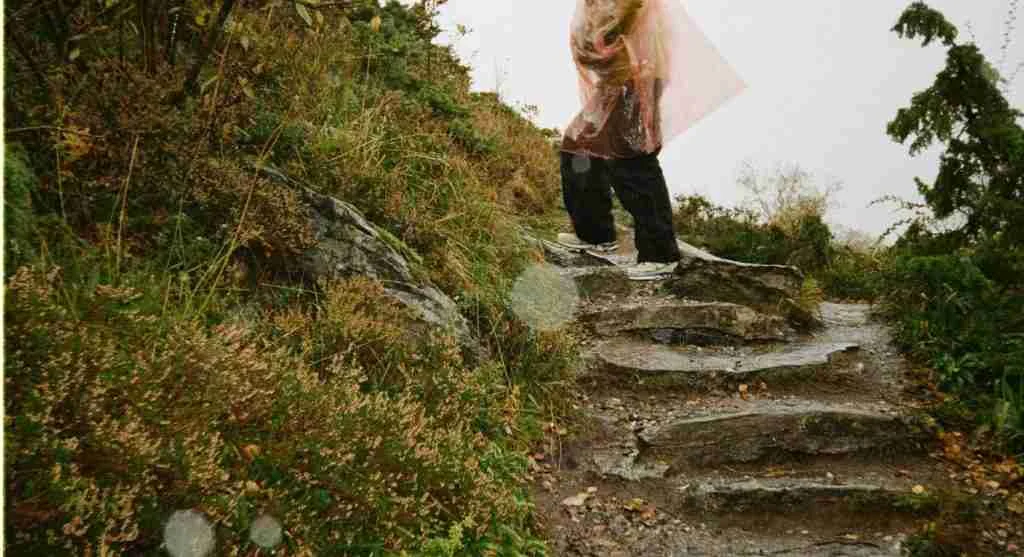
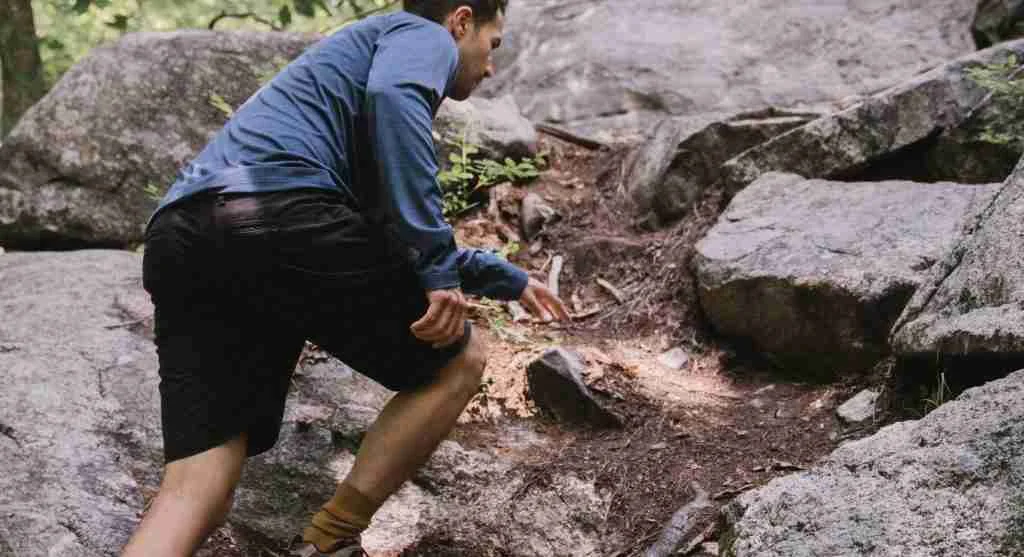
Rough descents usually increase stiffness because the body has to do even more than simple braking. It must also react to rocks, roots, loose dirt, and uneven steps. This creates a pattern of repeated landings plus repeated small corrections. Over time, the legs often feel more worked than they would on a smoother descent of the same length.
Trail safety specialists often explain that rough downhill sections are tiring not only because they slow pace, but because they keep the body from using one relaxed and repeatable pattern. The legs keep adjusting instead of moving naturally.
Why the stiffness often shows up after the descent, not during it
Many hikers do not fully notice downhill stiffness while they are still descending. The body is busy managing the trail, and attention stays focused on the next few steps. Once the route flattens or the hiker stops briefly, the stiffness becomes easier to feel. That is often when the legs suddenly seem tighter than expected and the body feels less springy than it did before the downhill stretch began.
Fitness specialists often note that some trail fatigue is easier to feel once the body no longer has to actively solve the terrain. The descent may have been shaping the muscles for a long time before the hiker fully noticed the result.
How tired legs change the feel of the rest of the hike
Once the legs stiffen, the next part of the hike often feels different even if the terrain becomes easier. Flat sections may no longer feel light. Small rises may feel bigger than expected. The body may still be moving well enough, but the lower half no longer feels loose or comfortable in the same way. This is one reason hikers sometimes think the trail got harder after the descent, even when the actual grade improved.
Outdoor educators often explain that stiffness changes the feel of the whole route because it affects stride, confidence, and how naturally the body wants to keep moving. The descent may be over, but its effect often travels into the next section.
Why heat and dust can add to downhill stiffness
Warm weather and dry loose surfaces often make this problem worse. Heat can increase overall fatigue, while dust and loose ground reduce how cleanly hikers can land and brake. That often leads to even more muscle tension and even more cautious movement. A dry exposed downhill therefore may feel more tiring than a shaded smoother one, even if both have similar distance.
Weather educators often explain that descents are shaped by conditions as much as by slope. The same hill can feel very different depending on surface grip, air temperature, and how fresh the body still feels when it reaches the top.
How pacing mistakes make later stiffness worse
Some hikers begin long descents too quickly because downhill looks easier than uphill. That choice often creates more braking stress than the body can comfortably manage. A calmer pace usually spreads the effort out better. A fast descent often asks the legs to absorb more force than needed, which can make the stiffness afterward feel much stronger.
Outdoor coaches often recommend treating a long downhill the same way hikers treat a long climb: as a section that deserves its own pace, not as a free fast stretch. That small mindset shift often protects the legs more than hikers expect.
What helps during and after a long descent
Most helpful changes are simple. Many hikers do better with shorter steps, steadier pace, and less rushing during the descent itself. Afterward, it often helps to let the body walk a smoother flatter section before sitting too long. Gentle movement often feels better than suddenly stopping after the legs have spent a long time under controlled tension.
Outdoor instructors often explain that stiffness often responds best when hikers respect the transition out of the descent. The body usually needs a little time to release the control pattern it was using on the hill.
Why understanding downhill stiffness improves trail planning
Many hikers plan around climbs and distance but underestimate how much a long descent can shape the second half of the day. Once hikers understand why downhill sections can create stiffness, route choices often become more realistic. A descent is not always the easy part of the hike. Sometimes it is the part that quietly changes how the rest of the route will feel.
Outdoor educators often explain that better trail planning begins when hikers stop thinking of downhill as automatic recovery. Long descents often deserve just as much pacing awareness as climbs do, even if the strain they create feels different.
Frequently Asked Questions
Q: Why do hikers feel stiff after a long downhill section?
A: Because the legs spend a long time braking, controlling landings, and managing momentum, which creates steady lower-body strain.
Q: Is downhill hiking easier than uphill hiking?
A: It is easier in some ways, but it can still be demanding. Long descents often create fatigue through control and repeated impact instead of climbing effort.
Q: Why does the stiffness often show up after the descent ends?
A: The body is focused on managing the trail during the descent. Once the terrain eases, the muscles’ built-up strain becomes easier to notice.
Q: What helps reduce stiffness on downhill trails?
A: Many hikers do better with shorter steps, calmer pace, and avoiding the temptation to rush just because the trail is trending downward.
Key Takeaway
Hikers often feel stiffer after longer downhill sections because descents create steady braking work, controlled landings, and lower-body tension that build quietly over time. The trail may be losing elevation, but the muscles are still working hard to manage each step. When hikers pace descents more carefully, the rest of the hike usually feels much better.