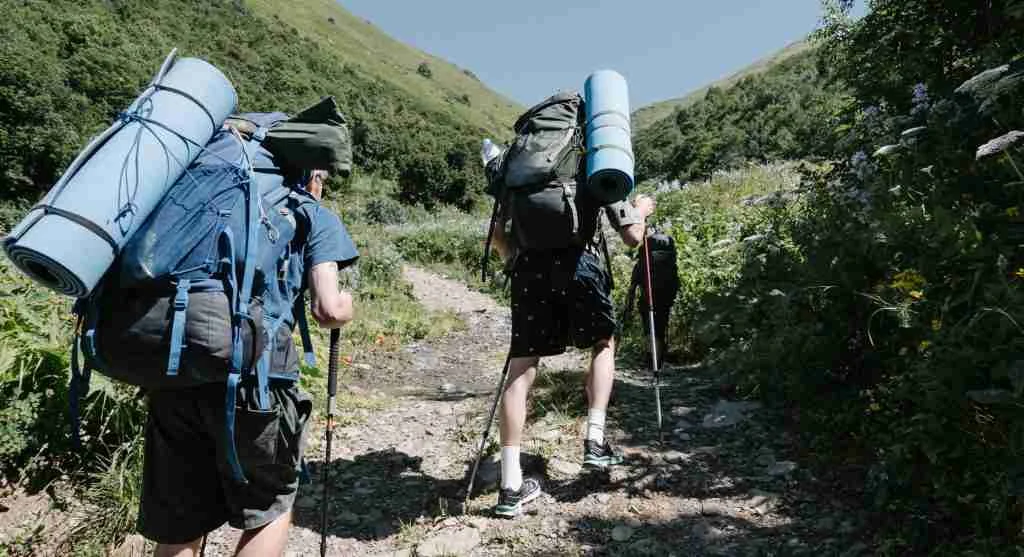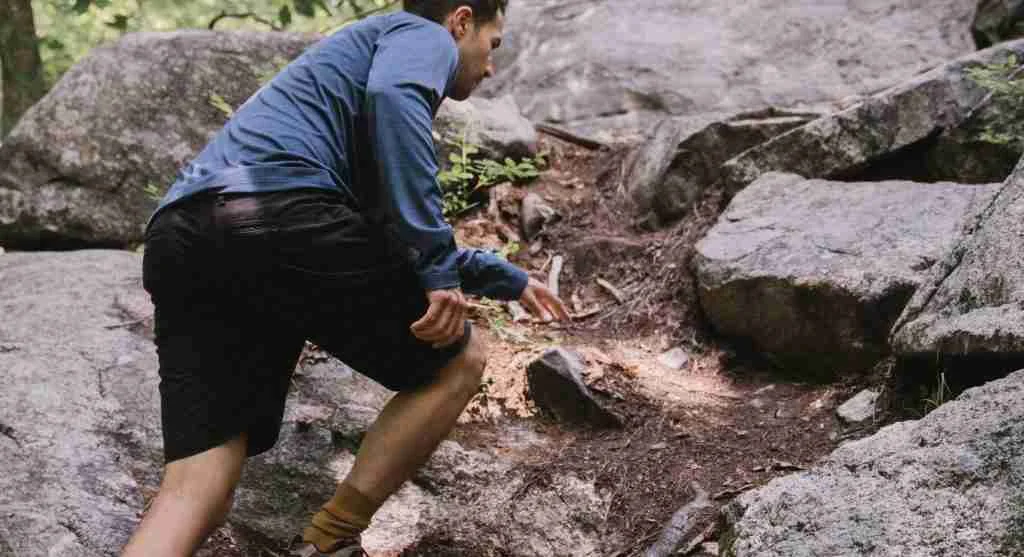

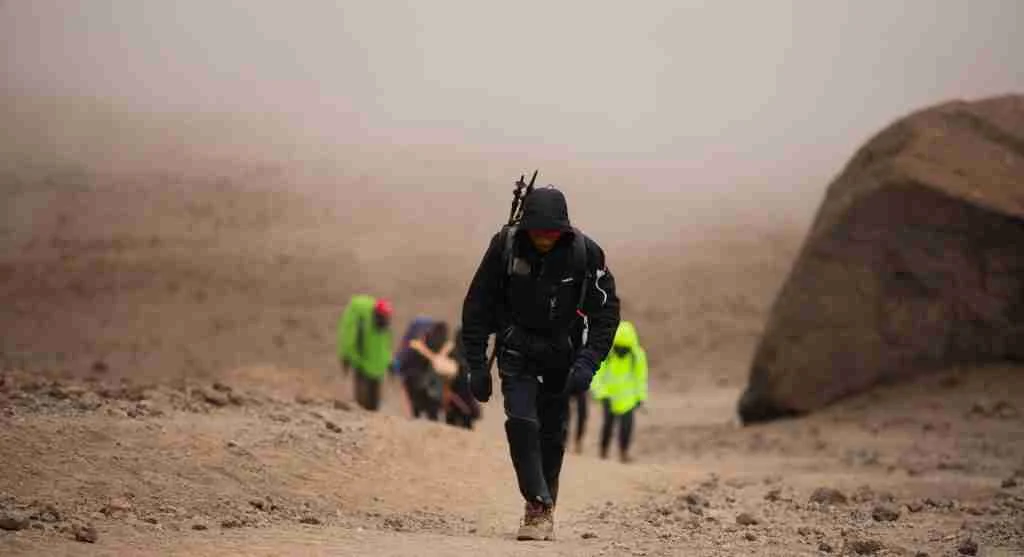
Outdoor educators often explain that downhill difficulty is not only about steepness. Surface behavior matters just as much. On dusty downhill trails, loose top layers can reduce traction without creating one dramatic obstacle. That often makes hikers feel less confident and more tired because the body has to control every step more carefully than the trail first suggested.
Why dusty downhill trails often look easier than they feel
One reason these trails seem easier at first is that dust can hide the true surface underneath. A descent may look smooth and walkable, yet the top layer shifts enough to weaken braking and push-off. Hikers often assume the trail will behave like firmer dirt, only to discover that the surface moves slightly with every landing.
Outdoor instructors often explain that visual smoothness can be misleading. A trail that looks calm from above may still demand much more control once boots start sliding lightly through loose material instead of gripping firmly.
How loose top layers reduce downhill control
On descents, the body is already managing forward momentum. Dust makes that harder because it reduces how much traction hikers can trust on each step. Instead of one clean landing and one steady brake, the foot may shift just enough to create a small correction. One small correction is manageable. A whole descent full of them often feels tiring surprisingly fast.
Movement specialists often note that downhill hiking control depends on confident landings. When confidence drops, stride usually shortens and the body begins working harder through the ankles, knees, and hips to stay steady.
Why braking effort builds fatigue so quickly
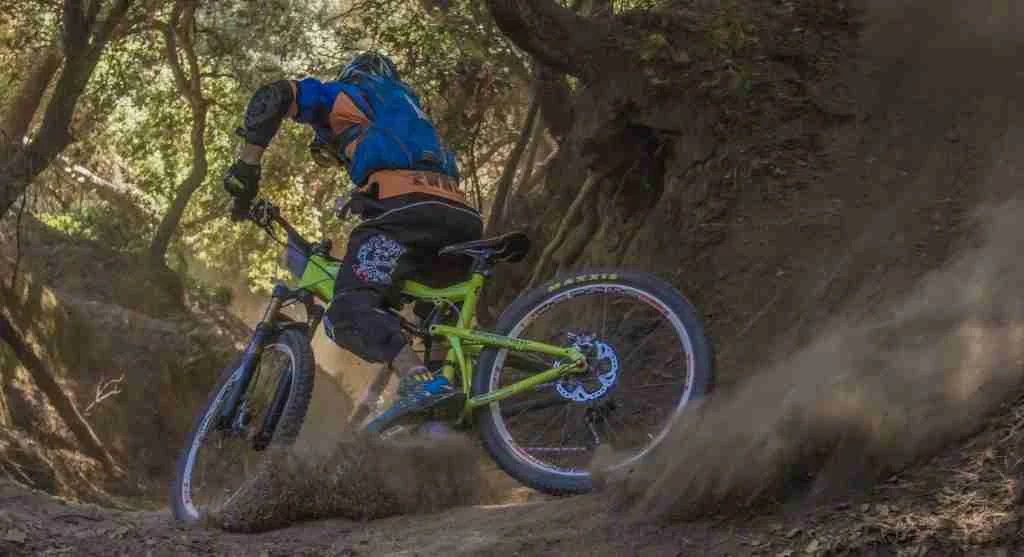
Many hikers think downhill sections save energy because the route is losing elevation. On dusty descents, that often is not how the body experiences the trail. The legs are not simply walking down. They are repeatedly slowing the body down. Each step asks for a little braking, and dust often makes that braking less efficient. Over time, that extra effort makes the descent feel more tiring than expected.
Fitness specialists often explain that downhill fatigue often comes from control rather than from climbing strain. Dust increases that control cost by making every landing just uncertain enough to deserve extra attention.
How dust changes pace without obvious warning
One reason hikers get surprised by dusty downhill trails is that pace often drops quietly. There may be no major slip and no dramatic obstacle. Instead, each step becomes a little shorter, a little slower, and a little more deliberate. The descent still moves, but not with the same ease hikers expected at the top.
Outdoor coaches often explain that this is why some descents feel frustrating. The trail is not stopping progress outright. It is simply reducing flow so steadily that the body feels worn down before the hiker can point to one clear cause.
Why dusty trails feel worse later in the hike
Late in the day, dusty descents often feel even trickier because the body has less spare control left. Fresh legs can absorb small slips and minor corrections more easily. Tired legs often make the same descent feel much more serious. The trail may not have changed at all, but the body now has less balance margin to spend on uncertain footing.
Outdoor educators often explain that many trails reveal their true difficulty only once freshness fades. Dusty downhill trails are one of the clearest examples because they ask for steady careful control from a body that may no longer want to keep giving it.
How hikers can move better on dusty descents
Most helpful changes are simple. Hikers usually do better by slowing slightly, shortening stride, and choosing steadier foot placement instead of trying to descend at normal smooth-trail speed. A calmer pace often restores more control than trying to force momentum through uncertain grip.
Outdoor guides often recommend treating dusty downhill trails like a real surface change, not like ordinary dirt. Once hikers accept that the trail deserves more respect, movement often becomes safer and less frustrating within a few minutes.
Why this matters for trail planning too
Dusty descents often deserve more time than hikers expect, especially on warm dry trails, exposed slopes, or routes with lots of loose top material. A trail can look moderate on the map and still feel slow because dust changes how confidently the body can move. Planning for that difference often makes the whole hike feel more realistic.
Outdoor educators often explain that smart trail planning includes surface type, not only distance and elevation. A modest downhill route can still take longer and feel harder if control is reduced for much of the descent.
Frequently Asked Questions
Q: Why do dusty downhill trails feel harder than they look?
A: Because loose top dust reduces traction, which makes braking and balance more demanding than the smooth appearance first suggests.
Q: Are dusty descents harder than steep rocky descents?
A: Not always, but they can feel more tiring than expected because they cause repeated small slips and constant braking instead of one obvious challenge.
Q: What is the biggest mistake hikers make on dusty downhills?
A: Many hikers try to keep ordinary trail pace instead of adjusting early for reduced grip and the extra control the surface requires.
Q: What helps most on a dusty descent?
A: Many hikers do better with shorter steps, calmer pace, and more deliberate foot placement until the trail feels predictable again.
Key Takeaway
Dusty downhill trails often feel trickier than they look because loose traction quietly increases braking work, balance effort, and fatigue. The descent may appear simple, but the body often experiences it as a long stretch of repeated small corrections. When hikers respect that early, the whole section becomes much easier to manage.