
Outdoor educators often explain that many trail problems begin as quiet information rather than as dramatic warning. Movement specialists also note that the body often reports rising effort early, but hikers do not always treat those signals as meaningful until the route already feels heavier. This is why hikers often feel a trail getting harder after they stopped noticing the small signs early enough to respond while the fixes were still simple.
Why small trail signs are easy to ignore
One reason early trail signs are easy to ignore is that they usually arrive one at a time. A single heavier breath does not seem like a real issue. A slightly rougher step does not seem important. A little more warmth on the trail does not sound like a reason to change pace. Because each signal feels small on its own, hikers often keep moving as if nothing meaningful is happening yet.
Outdoor instructors often explain that hikers usually wait for stronger proof. The problem is that stronger proof often arrives only after the body has already been adapting poorly for quite a while. Small signs matter precisely because they appear before the hike feels obviously hard.
How early trail signals often come from the body first
The body usually notices effort changes before the mind explains them clearly. Feet may feel a little less light. Breathing may become slightly less relaxed. Pace may soften even without a conscious decision. These are often not random sensations. They are the body’s early report that the trail is costing more than it did earlier.
Movement educators often note that hikers sometimes distrust these smaller feelings because they do not yet match any large visible problem. In reality, the body is often reading the hike correctly before the eyes have found one obvious reason for the shift.
Why a trail often feels suddenly harder even when the change was gradual
Many hikers describe the trail as becoming hard all of a sudden. In many cases, the better explanation is that the difficulty was building gradually but stayed below full attention for a while. Once enough small strains collect together, the hike seems to change quickly. The body is not reacting to one new problem. It is finally feeling the combined effect of several earlier ones.
Outdoor coaches often explain that this is one reason later fatigue feels confusing. Hikers think the trail suddenly turned on them, when in reality the trail had been asking for more all along in smaller pieces.

How pace strain builds before hikers admit it
Pace strain is often one of the first missed signals. A hiker may still be moving well, but the pace is no longer as easy to carry. Conversation may feel slightly less natural. Uphill sections may require a little more focus. Recovery after rough patches may take a little longer. None of this looks dramatic, so hikers often keep the same speed longer than the body really wants.
Fitness specialists often explain that pace usually becomes unsustainable before it becomes impossible. That is why the early signs are so useful. They give hikers a chance to respond before the route starts feeling punishing instead of merely more expensive.
Why footing changes often begin as tiny corrections
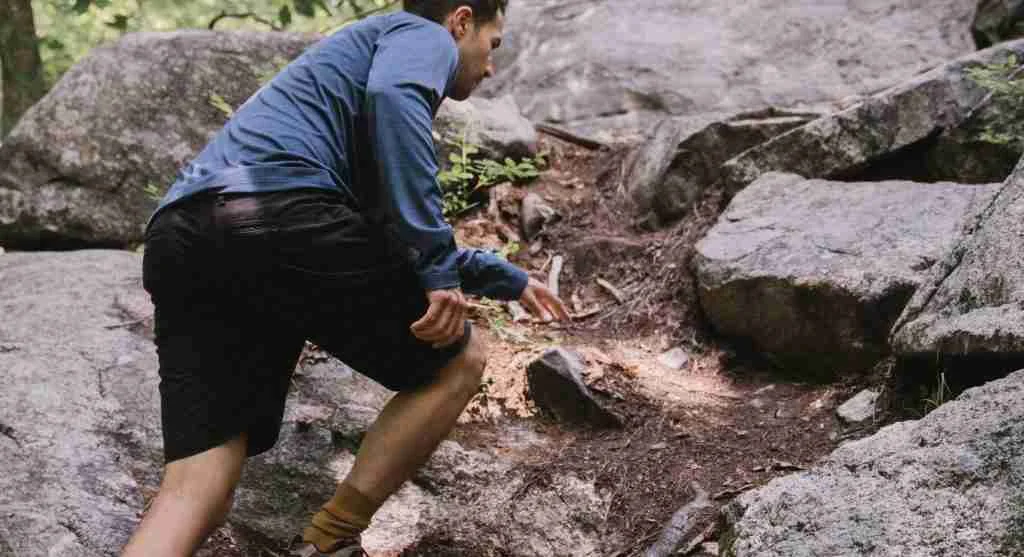
Footing problems usually start through small adjustments rather than full mistakes. A loose patch, a slightly tilted step, a weaker push-off, or a more careful landing often appears before any major slip occurs. Hikers often ignore those moments because they still feel fully in control. Yet those tiny corrections are often the trail’s way of saying the surface has changed enough to deserve more respect.
Trail safety specialists often explain that the body pays for each correction whether the hiker names it or not. Over time, repeated small fixes can tire the legs and attention just as effectively as a more obvious obstacle would.
How hydration and food signals stay quiet too long
Water and food problems often follow the same pattern. Many hikers wait for strong thirst or real hunger before taking action. On the trail, those later signals often come after smaller earlier signs already appeared through slower pace, heavier steps, lower patience, or flatter energy. By the time the hiker clearly feels the need, the body may already be carrying avoidable strain.
Outdoor health educators often note that the best support habits usually begin before discomfort becomes obvious. Small early signals are often enough reason to act, even if the body is not yet making a dramatic complaint.
Why weather changes are easy to underestimate early
Weather often contributes to this pattern because it builds quietly too. Shade disappears. Wind becomes more direct. The air feels slightly warmer. The trail surface reflects more light. Any one of these may seem minor, but together they can change how the body experiences the hike. Hikers often notice the trail feeling harder before they realize weather has already changed the full effort equation.
Weather educators often explain that many trail conditions do not announce themselves strongly. They gradually remove comfort. The hiker often feels that loss before clearly naming the cause.
How mental focus fades when early clues are missed
Missing small signs often leads to a later drop in mental comfort as well as physical comfort. Once the trail begins feeling harder, the mind often becomes busier. Progress feels less smooth. Small route choices feel more annoying. The hike may seem less enjoyable even if the scenery and trail shape remain mostly the same. That change often happens because the body had been asking for a small adjustment that never came.
Outdoor psychologists often explain that many hiking frustrations begin as quiet physical strain. When the body is slightly under-supported for too long, the mind often starts feeling the trail differently too.
Why small early adjustments work better than big late corrections
One of the most useful truths in hiking is that small early adjustments usually cost less than big late ones. Slowing slightly, eating a little sooner, drinking earlier, checking a hot spot, or respecting a rougher tread section usually feels minor in the moment. Later, those same actions often would need to solve a much bigger problem.
Outdoor instructors often explain that the trail rarely needs perfect control. It usually just needs timely response. Most hikes improve when hikers respond to the first useful clue instead of waiting for stronger evidence.
How hikers can get better at noticing the small signs
Most hikers improve this skill by paying attention to patterns instead of isolated moments. One awkward step means little. Several in a short stretch mean something. One warmer patch may not matter. Ongoing exposure does. One moment of heavier breathing may be random. A steady trend is information. The key is to notice repetition, not just events.
Outdoor coaches often recommend asking simple questions during longer hikes. Has my pace become less easy. Are my steps less clean. Am I feeling less patient with the trail. Does this section feel harder for several reasons at once. Those questions often reveal the problem while it is still small enough to manage calmly.
Why understanding this makes trails feel fairer
Many hikers feel better once they understand that a trail rarely becomes harder without giving earlier hints. Those hints were often there through pace, footing, weather, energy, and attention. Recognizing them sooner makes the hike feel less random and far more manageable. The trail stops seeming unpredictable and starts feeling readable.
Outdoor educators often explain that good trail awareness is often quiet. It is built from noticing the first signs that the body is paying a little more than it was before. Hikers who learn to trust those smaller signs usually finish with more comfort, more control, and fewer surprises.

Frequently Asked Questions
Q: Why do trails sometimes feel suddenly harder later on?
A: Often because small early signs of rising effort were already present but easy to ignore. The trail may not have changed suddenly at all.
Q: What are common early signs that a hike is getting harder?
A: Common signs include slightly heavier breathing, softer pace, more careful foot placement, lower patience, and a growing sense that the route feels less smooth.
Q: Should hikers react to every small sign right away?
A: Not to every isolated moment, but repeated patterns usually matter. Several small signs together often mean the trail is asking for an early adjustment.
Q: What helps most when those signs appear?
A: Many hikers do better by making small early changes such as slowing slightly, drinking, eating, or giving more respect to footing and conditions before the hike feels obviously hard.
Key Takeaway
Hikers often feel a trail getting harder later because small early signs were easy to ignore when they first appeared. Those quiet signs usually come through pace, footing, weather, energy, and focus long before the hike feels clearly difficult. When hikers notice patterns sooner and make smaller earlier adjustments, the whole route usually feels much steadier.