
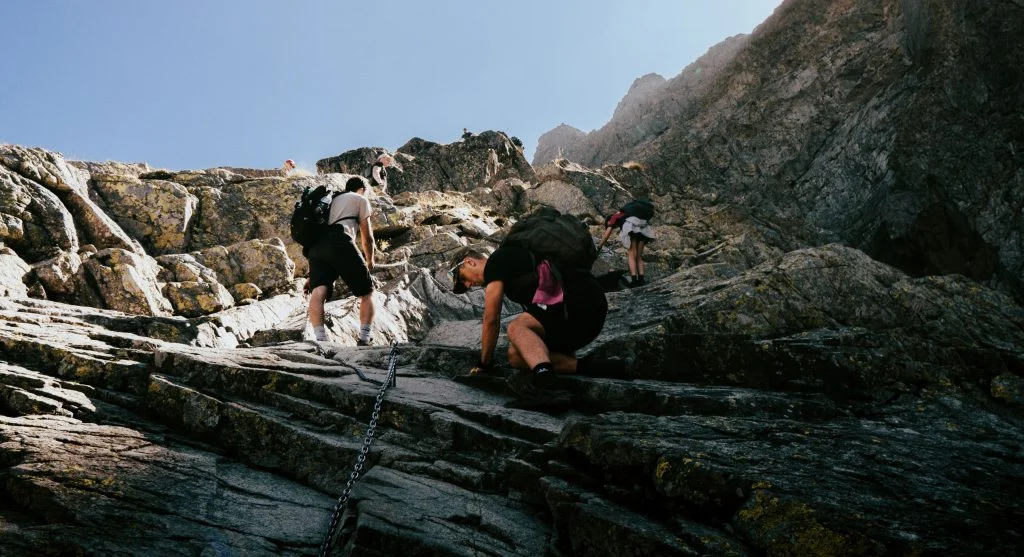
Outdoor educators often explain that trail difficulty usually builds through patterns before it builds through obvious landmarks. Movement specialists also note that the body often feels small changes in footing and rhythm earlier than the eyes fully explain them. This is why hikers often feel a trail turning rougher before they can clearly identify one big reason for the shift.
Why roughness often appears before the cause looks obvious
One reason roughness shows up early is that the body responds to repeated small changes very quickly. A little more loose grit, a few slightly angled steps, a touch more unevenness, or a slightly narrower stable tread can all change how walking feels. None of these may look serious on their own. Together, however, they often make the route feel more active underfoot.
Outdoor instructors often explain that hikers usually look ahead for the next big thing, not for a collection of subtle differences. The body, however, has no choice but to deal with each difference one step at a time. That is why the rough feeling often arrives before the explanation does.
How hiking footing changes affect the body first
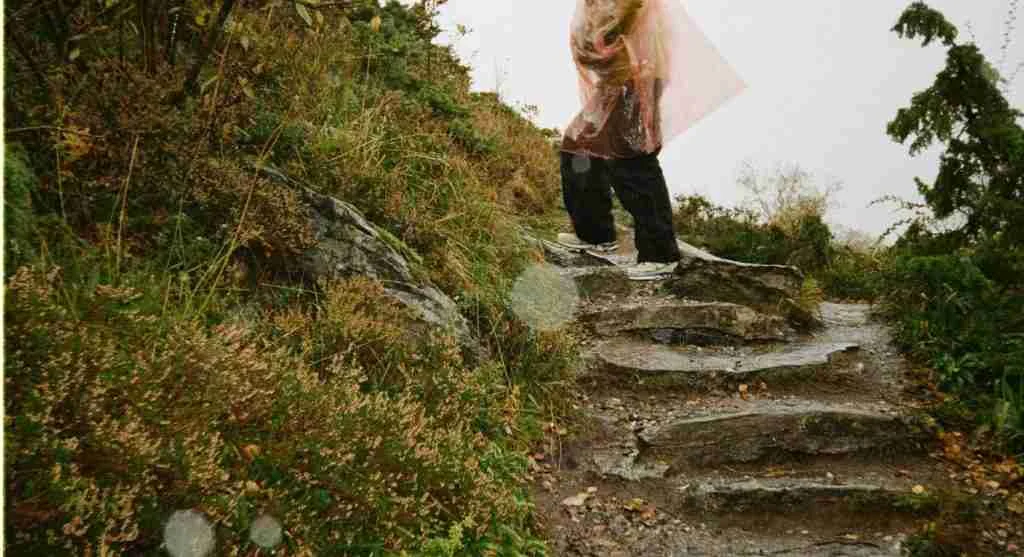
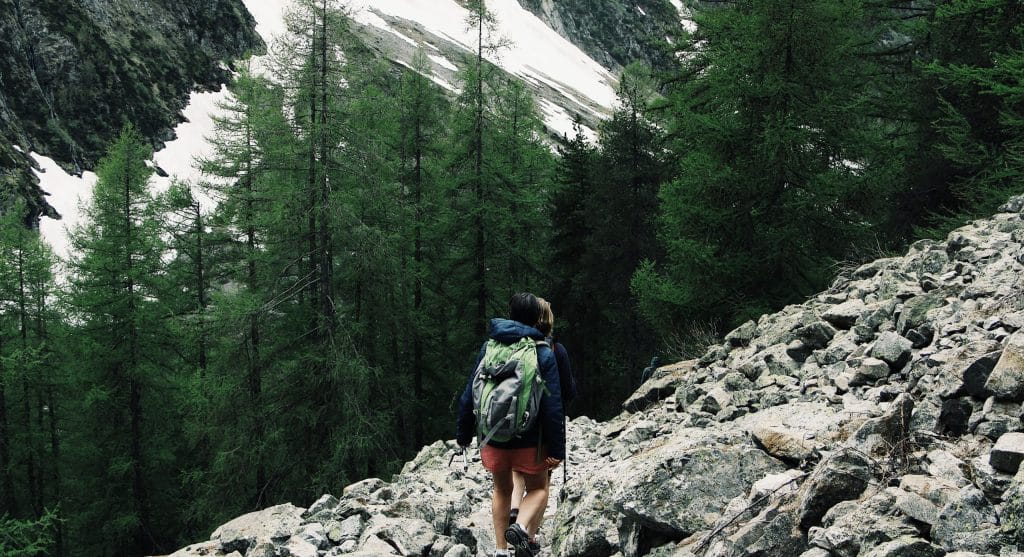
Hiking footing changes usually reveal themselves through movement. Push-off may feel weaker. Landings may feel slightly less clean. One foot may need a little more correction than it did a few minutes earlier. These are often early signs that the trail is becoming less forgiving, even if the surface still looks mostly reasonable from a standing view.
Movement educators often note that the body is excellent at reading what the ground is doing. It notices softness, angle, looseness, and uneven pressure almost immediately. The mind often catches up a little later, once enough of those changes have accumulated to feel undeniable.
Why broken rhythm is one of the earliest warning signs
One of the clearest clues that a trail is turning rougher is a change in rhythm. The hiker may not stop, but the stride becomes less automatic. A foot lands more carefully, the next step shortens slightly, and the body stops flowing as easily as before. Even when the trail is not visibly dramatic yet, that broken rhythm often shows that the route is asking for more work.
Outdoor coaches often explain that rhythm is often easier to trust than first impressions. If the trail keeps interrupting comfortable movement, something about the surface has already changed, even if the eye has not yet found a single obvious obstacle to blame.
How small surface changes quietly add up
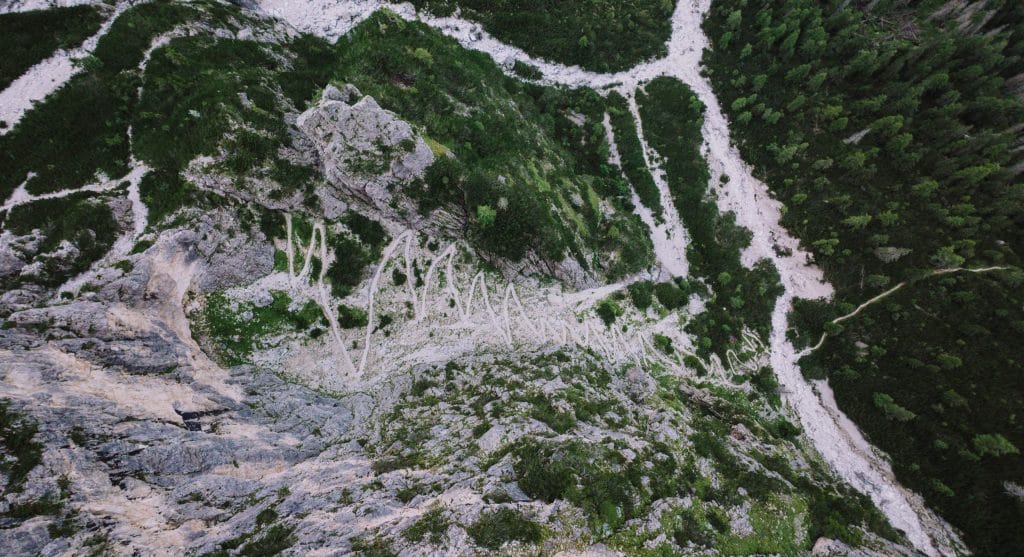
A trail does not need to become severely rocky or muddy to feel rougher. A little more exposed root, a little less packed soil, a little more side tilt, or a little more crumble at the edges can change the whole experience. Each factor adds only a small cost, but the body pays that cost repeatedly. After several minutes, the route often feels noticeably different even though no single feature stands out enough to explain it alone.
Trail safety specialists often explain that this is why roughness can feel mysterious. Hikers expect a clear cause, but the true cause is often accumulation. The trail became harder through many tiny changes working together.
Why the eyes often lag behind the feet
The eyes usually scan ahead for shape, direction, and major objects. The feet deal with pressure, grip, and stability. Because of that difference, the feet often understand the trail first. A surface may appear broadly normal while still offering less support than it did earlier. The hiker feels that through balance and effort before the route looks dramatically different from a few feet away.
Outdoor guides often note that hikers sometimes distrust this early feeling because they cannot yet “see the problem.” In many cases, that early feeling is exactly the right signal. The feet are responding to the trail as it behaves, not only as it looks.
How gradual roughness changes trail time perception
When the trail starts turning rougher, time often begins feeling different too. A section that should feel short may begin stretching mentally because each step takes a little more attention. Progress is still happening, but it feels slower and more expensive. This often makes hikers think the route suddenly got longer, when the better explanation is that the quality of movement changed.
Outdoor psychologists often explain that roughness affects time perception because the mind measures progress partly through how easy it feels to keep moving. Once movement becomes more demanding, the same distance often feels longer.
Why descents reveal roughness especially quickly
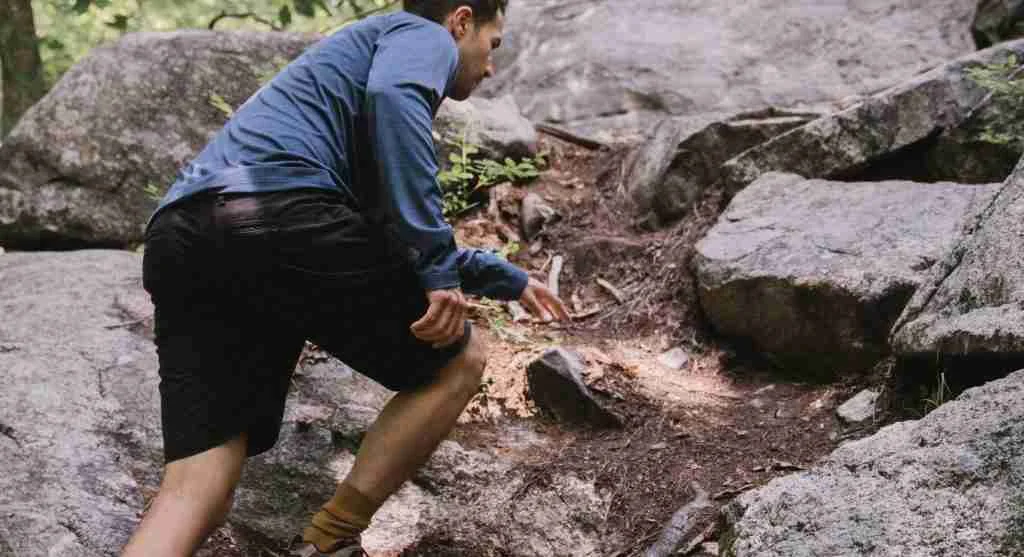
Roughness often becomes obvious sooner on descents because the body is already managing forward momentum. Small rocks, shifting dirt, or uneven landings matter more when the feet also need to brake. A trail that looked only moderately broken on flatter ground may suddenly feel rough on a downhill section because the margin for careless steps becomes smaller.
Movement specialists often explain that hikers often describe this as the trail “getting worse.” Sometimes the better explanation is that the same level of roughness simply became more noticeable once the route started demanding more control.
How fatigue makes subtle roughness easier to feel later
Early in a hike, the body can often absorb small trail problems without much complaint. Later, those same small surface changes feel much larger. The hiker has less spare balance, less patient foot placement, and less extra energy to hide the inefficiency. This is one reason a trail may seem fine for the first hour and then begin feeling rougher even if its character has changed only gradually.
Fitness educators often explain that fatigue often reveals what the trail was already doing all along. The route may not have transformed dramatically. The body simply reached a point where subtle roughness could no longer stay quiet.
How hikers can respond before the roughness becomes a bigger problem
The most helpful response is usually small and early. Slow slightly, shorten the next few steps, and stop expecting the same smooth pace from a trail that is no longer offering the same support. Hikers often do better when they trust the first signs of broken rhythm instead of waiting for a larger slip or bigger obstacle to prove the trail changed.
Outdoor instructors often recommend using the body’s message as real trail information. If steps are getting less clean and the route feels subtly busier, the trail is already asking for more. A brief early adjustment often prevents much more tiring correction later.
Why understanding this makes many hikes feel more logical
Once hikers realize that roughness often arrives as a pattern instead of as one object, many confusing trail moments make more sense. The route no longer feels randomly tiring. The body was reading real changes the whole time, even before the eyes found an obvious reason. That insight often helps hikers pace better, trust their footing awareness sooner, and move with much less frustration.
Outdoor educators often explain that strong trail awareness often means believing small clues before the trail has to shout. A trail turning rougher is one of the clearest examples. The body often knows first, and that is usually worth respecting.
Frequently Asked Questions
Q: Why can a trail feel rougher before one big obstacle appears?
A: Because roughness often builds through several small changes in footing, traction, and rhythm rather than through one dramatic feature.
Q: What is the earliest sign that a trail is getting rougher?
A: Broken walking rhythm is often the earliest sign. Steps feel less smooth, landings need more care, and the body starts making more small corrections.
Q: Does this happen more on descents?
A: Often yes, because descents make small footing problems more noticeable by adding braking and balance demands at the same time.
Q: What should hikers do when a trail starts feeling rougher?
A: Many hikers do better by slowing slightly, shortening stride, and trusting the early signals from their footing instead of waiting for a bigger slip or obstacle.
Key Takeaway
Key Takeaway: Hikers often feel a trail turning rougher before they can point to one big obstacle because the body notices repeated small changes faster than the eyes explain them. Broken rhythm, weaker footing, and extra correction usually appear before one obvious feature stands out. Trusting those early signs often makes the whole route easier and safer to manage.