
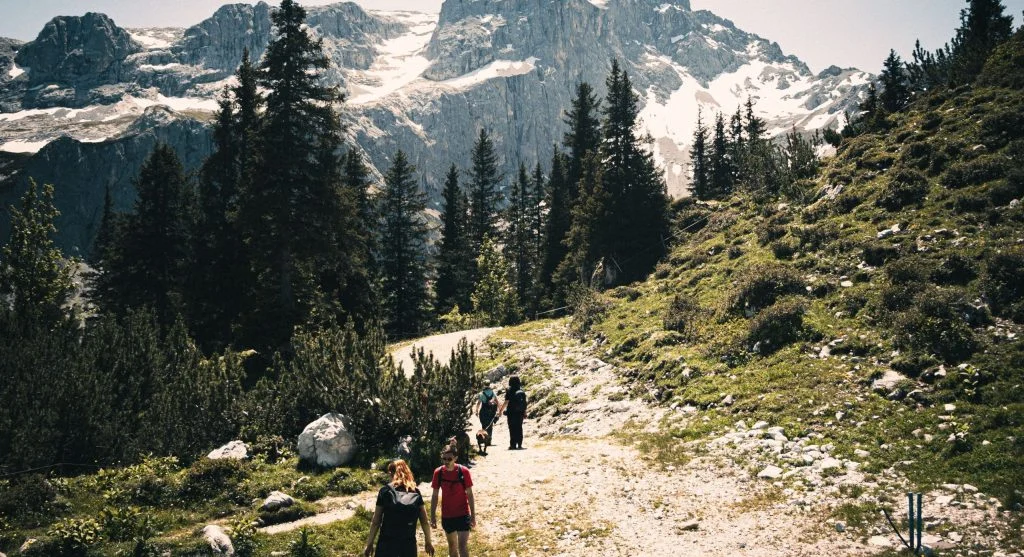
Outdoor educators often explain that hikers do not always recognize how much shade supports comfort until it is gone. Weather specialists also note that exposed trail fatigue often builds through several smaller changes happening together rather than through one dramatic weather shift. This is why hikers often notice a trail feeling harder only after the shade disappears, even if the route itself does not suddenly become steeper or rougher.
Why the loss of shade changes the trail so quickly
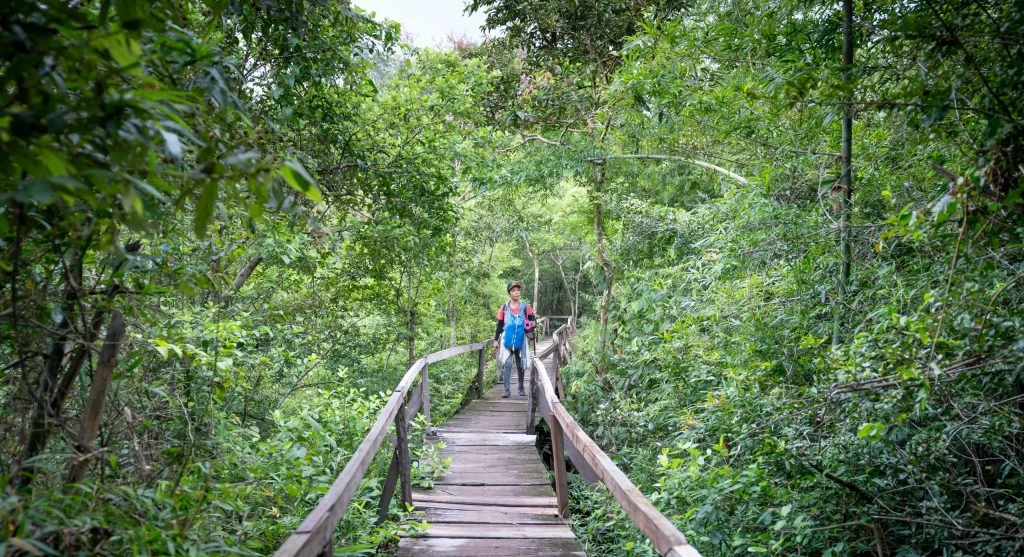
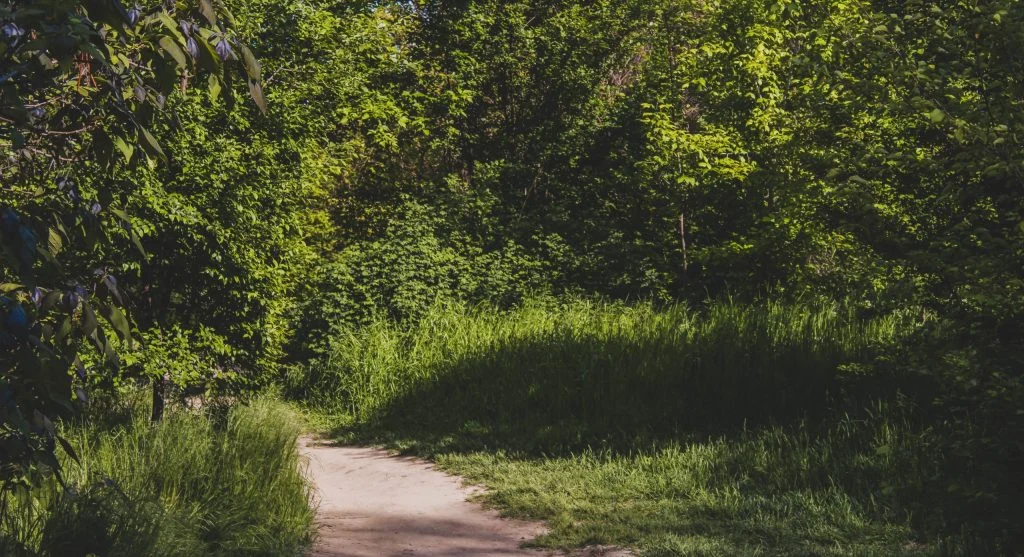
One reason the trail changes so quickly is that shade does more than block sunlight. It often lowers surface temperature, softens brightness, reduces the feeling of direct exposure, and helps the body stay calmer while moving. When that protection disappears, hikers are no longer dealing only with the trail. They are also dealing with the full effect of the environment around it.
Outdoor instructors often explain that this is why a route can feel like two different hikes even when the tread stays almost the same. The body may still be covering the same distance, but the conditions supporting that movement have changed in a very real way.
How exposed trail fatigue builds without much warning
Exposed trail fatigue often arrives gradually rather than all at once. At first, the hiker may only notice brighter light or a little more warmth. Then pace softens, breathing feels slightly less relaxed, and the route begins feeling more tiring without one obvious reason. In many cases, the body is reacting to several small changes that began the moment the shade disappeared.
Fitness specialists often note that these changes are easy to miss early because the body still has enough reserve to absorb them. The real effect often becomes clear only after several minutes in open conditions, when that reserve has already started shrinking.
Why brightness alone can make a trail feel heavier
Brightness affects comfort more than many hikers expect. A shaded trail often feels visually calm. An exposed trail asks the eyes and mind to handle stronger light, sharper contrast, and a more open environment. Even when temperature does not feel extreme yet, the brightness itself can make the route feel less restful and more effortful.
Outdoor psychologists often explain that the body usually prefers conditions that feel visually and physically settled. Once the trail becomes brighter and more exposed, attention often becomes more active, and that can make the hike feel harder before the hiker clearly identifies why.
How ground temperature changes the feel of the route
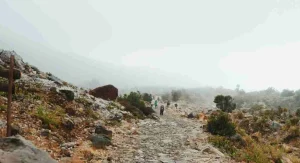
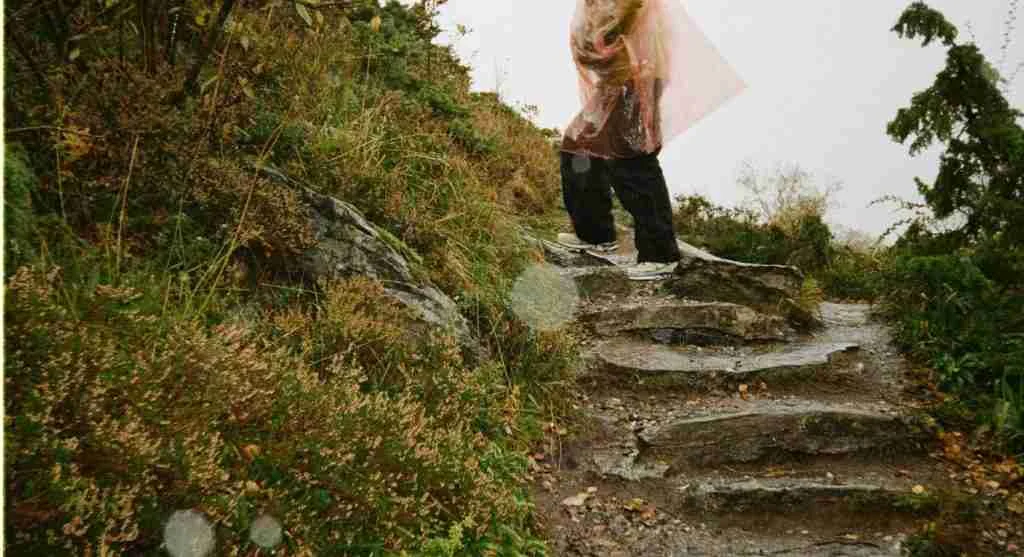
When shade disappears, the ground itself often changes the hiking experience. Soil, rock, sand, and dust in full sun usually feel warmer than the shaded tread behind them. That extra warmth may not be dramatic enough to notice through the boots at first, but it still changes how the body experiences the route overall. Open sections often feel drier, brighter, and more reflective, which adds to the sense that the hike has suddenly become more demanding.
Outdoor guides often explain that hikers sometimes focus only on air temperature and forget how much the ground matters. The trail underfoot and the heat around it often work together to increase effort once the route opens into sun.
Why hikers often keep the same pace too long after leaving shade
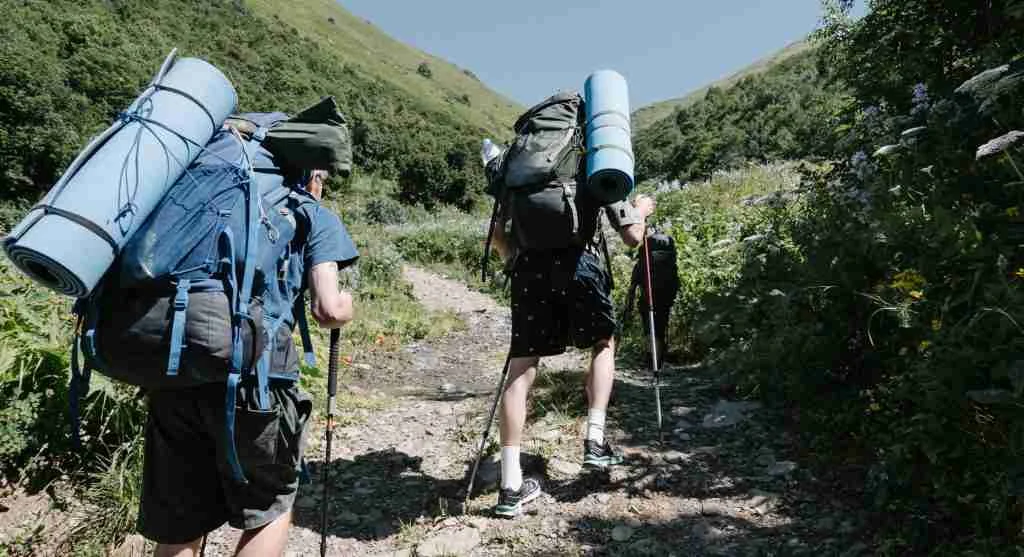
Many hikers continue walking at shade pace for several minutes after entering exposed terrain. That makes sense because the body has not yet fully registered the new cost of movement. By the time the route starts feeling harder, the hiker may already have spent more energy in the open section than expected.
Outdoor coaches often explain that this is one reason exposed trails feel unfair. The real issue is not always the section itself. It is often that the body kept using the pace of the protected trail after the conditions had already changed.
How wind can mislead hikers in open areas
Open sections sometimes include a little breeze, and that can make hikers believe the trail should feel easier. Sometimes it does help. At other times, the breeze hides how much sun and exposure are still shaping the route. A hiker may not feel overheated, yet still begin tiring more quickly because brightness, dryness, and steady sun are all increasing effort at the same time.
Weather educators often note that a light breeze can make open conditions feel more comfortable than they really are. That often delays recognition that the route is now taking more from the body than the shaded section did.
Why the same slope feels harder without cover
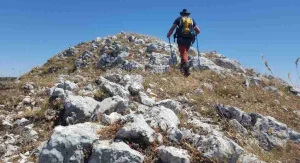
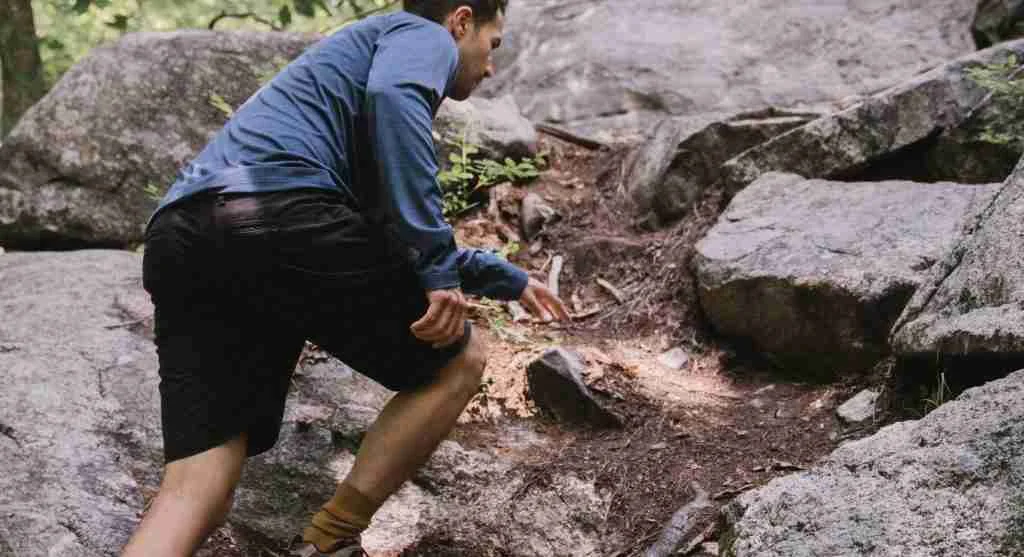
A mild incline that felt manageable in shade often feels bigger in full sun. The slope itself may not have changed at all. What changed is how much support the environment is giving the hiker while climbing it. Once the trail loses shade, the body usually has less comfort margin for handling the same uphill or same rough footing.
Movement specialists often explain that hikers often interpret this as the trail getting steeper. Sometimes the better explanation is that the route lost a layer of protection, so the same slope now feels more expensive to walk.
How the loss of shade affects the second half of a hike
The impact of open conditions often becomes even clearer later in the hike. A section that felt only mildly warmer at first can become much more tiring on the return when the body is less fresh. If the shaded part came early and the exposed part came later, the whole second half of the route may feel harder than the map first suggested.
Outdoor educators often explain that this is why route timing matters. A trail that is pleasant in shade during the morning may become much more demanding once the later miles happen in open sun with lower energy and fewer easy recovery moments.
How hikers can respond better when the shade ends
The best response is usually simple. Slow slightly, drink earlier, and expect the route to feel different instead of forcing it to feel the same. Once hikers accept that open sections often need a calmer pace, the trail usually begins feeling much more manageable. The point is not to overreact. It is to let the body match the new conditions before the route has already taken too much extra energy.
Outdoor instructors often recommend treating the loss of shade like a real trail transition. Just as hikers adjust for rock, mud, or narrow tread, they often do better when they adjust for exposure too.
Why understanding shade makes trail planning smarter
Many hikers plan with distance and elevation in mind but give less thought to when the route will be shaded and when it will not. Yet shade often shapes how easy the hike feels as much as terrain does. Once hikers begin asking where the route is protected and where it is exposed, many trails become easier to understand and easier to pace well.
Outdoor educators often explain that good planning is not only about how far the trail goes. It is also about how the trail feels at different points of the day. Shade is one of the quietest but most important parts of that picture.
Frequently Asked Questions
Q: Why does a trail feel harder after the shade disappears?
A: Because the body suddenly loses cooler air, softer light, and more protected conditions. Heat, brightness, and exposure often increase effort quickly.
Q: Does this happen only on very hot days?
A: No. Even moderate days can feel much more demanding when a trail shifts from protected shade into steady direct sun.
Q: Why do hikers often notice the change a little later?
A: The body usually absorbs the first few minutes with existing energy, then begins showing the cost through slower pace, heavier legs, and less comfortable movement.
Q: What helps most when the trail becomes exposed?
A: Many hikers do better by slowing slightly, drinking earlier, and recognizing that the route now deserves a different pace than the shaded section before it.
Key Takeaway
Key Takeaway: Hikers often notice a trail feeling harder only after the shade disappears because exposed conditions quietly increase effort through heat, brightness, and reduced comfort support. The route may not look dramatically different, but the body often experiences it that way. When hikers expect that transition and adjust pace early, exposed sections usually feel much easier to manage.