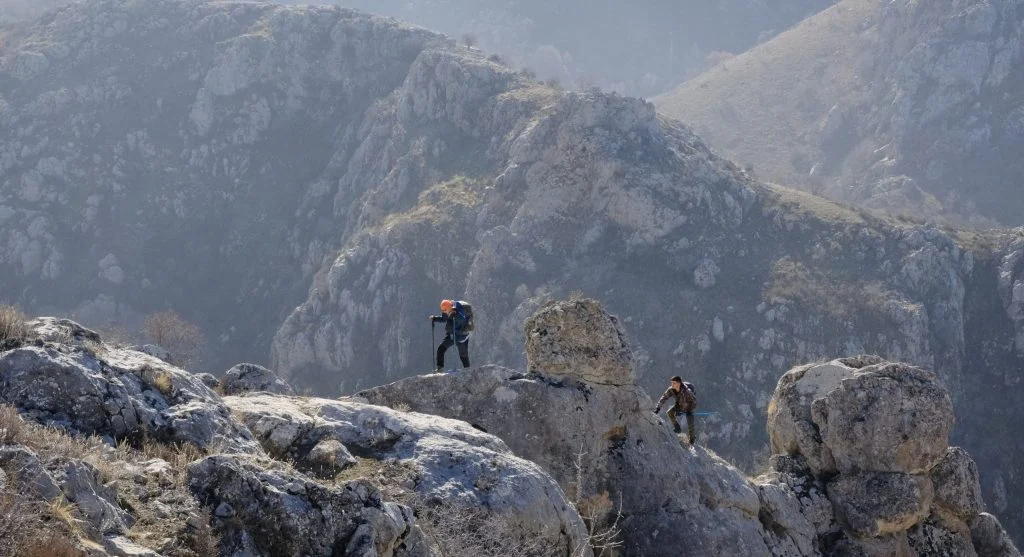

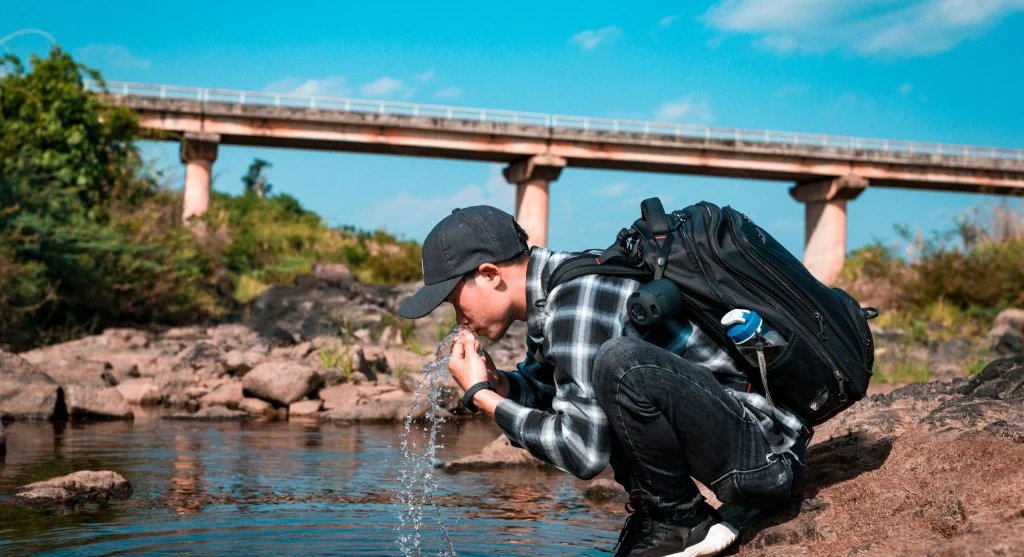
Many hikers focus on how much water they carry and pay less attention to how easy that water is to reach while walking. Carrying enough water is important, but access matters more than many people realize. A full bottle buried deep inside a backpack may technically solve the supply problem while still creating a practical trail problem. If drinking feels inconvenient, hikers often put it off longer than they should.
Outdoor educators often explain that hiking hydration habits work best when water is easy enough to use without much thought. Outdoor fitness specialists also note that the body usually benefits more from steady support than from extra water that stays unused for too long. This is why easy-to-reach water often matters more than simply carrying more water on a hike.
Why Easy-to-Reach Water Changes Trail Habits So Much
One reason easy-to-reach water matters so much is simple: people use what feels easy to use. If a hiker can grab a bottle quickly or drink from a convenient setup without fully stopping, they are much more likely to drink at the right time. If water requires taking off a pack, opening multiple pockets, or searching through gear, the body often keeps moving without the support it needed.
Outdoor instructors often explain that this is not usually a motivation problem. It is often a convenience problem. Hikers may understand the importance of hydration and still wait too long because using the water feels like too much of an interruption in the moment.
How Hiking Hydration Habits Often Fail Quietly
Hiking hydration habits often fail in small ways rather than through one obvious mistake. A hiker skips one sip because the trail is going well. Then another because the next stop seems close. Then another because the bottle is packed away and the route still feels manageable. These small delays can add up until the trail starts feeling heavier than expected later on.
Outdoor health educators often note that hydration problems on hikes rarely begin with having no water at all. They often begin with a gap between carrying the water and actually drinking it often enough to support the body steadily.
Why More Water Is Not Always the Same as Better Hydration
Carrying more water can be helpful, especially on longer or hotter routes, but it does not automatically mean hydration will go well. A hiker can carry a large amount and still drink too late. Easy-to-reach water often matters more because it improves timing, not just supply. Timing is what often changes how the route feels in the body.
Fitness specialists often explain that the body usually responds better to regular smaller drinks than to long gaps followed by larger drinking only after discomfort has already started. This is one reason access often matters more than volume alone.
How Inconvenient Water Access Changes Pace and Comfort
When water is hard to reach, hikers often wait until the next major break to drink. That sounds efficient, but it often pushes hydration too far into the future. The trail may begin feeling warmer, slower, or more tiring before the body gets what it needed earlier. In this way, poor access can shape pace just as much as poor planning can.
Outdoor coaches often explain that many trails feel harder not because hikers lacked enough water, but because they did not use it early enough. Easy access encourages earlier drinking. Difficult access often pushes hydration into a later stage of the hike, when the body is already trying to catch up.
Why Hikers Delay Drinking When the Trail Feels Easy
One of the hardest times to remember water is when the trail still feels easy. Energy is strong, the body is fresh, and nothing seems urgent. This is exactly when easy-to-reach water helps most. It allows support to happen before discomfort becomes obvious enough to force the issue.
Outdoor educators often explain that many helpful trail habits work best before the route feels demanding. Water is one of the clearest examples. When access is simple, hikers are more likely to support the body while the hike still feels good instead of waiting until it starts feeling harder.
How Trail Conditions Make Access More Important
Rough terrain, hot sections, wind, repeated climbs, and stop-and-go trails all make water access more important. On these routes, hikers may not want to remove packs often or take long breaks. If drinking only feels possible during a full stop, the trail may shape hydration in unhelpful ways. Easy-to-reach water makes it much simpler to stay consistent through changing trail demands.
Outdoor guides often note that the best hydration setups match the route’s rhythm. A smoother trail may allow more formal breaks, but broken or exposed trails often reward simpler access that lets hikers drink without turning it into a major event.
Why Beginners Often Underestimate Water Access
Beginners often think mainly in terms of amount. They ask whether they packed enough water, which is an important question. What often gets missed is whether the water is placed where it will actually be used often enough. A bottle deep in a pack may seem fine before the trail starts. Later, it can quietly become one more reason the hiker delays drinking.
Outdoor instructors often explain that this is one of the easiest trail lessons to learn early. Hydration is not only about preparedness. It is also about usability. Good support only works when the body receives it at the right time.
How Easy Access Helps the Whole Second Half of a Hike
The value of easy-to-reach water often becomes clearest later in the day. A hiker who drank steadily during the first half often keeps a more even pace and feels less drained on the return. A hiker who carried plenty but drank late may start wondering why the second half feels heavier than it should.
Fitness educators often explain that the second half of a hike usually reveals whether the first half supported the body well. Water access often plays a bigger role in that than many hikers first assume.
What Makes Water Truly Easy to Reach on the Trail
Easy access usually means the water can be used with little interruption. An outer pocket, front carry option, or hydration setup that allows quick drinking usually works better than a buried bottle that requires unpacking. The exact method matters less than one core idea: the water should be easy enough to use that the hiker does not keep postponing it.
Outdoor coaches often recommend testing the setup before longer hikes. If drinking feels awkward at the trailhead, it often feels worse later when the body is warmer or the route is rougher. Good access should feel almost automatic.
Why Better Water Access Often Makes the Whole Hike Feel Easier
Hikes often feel smoother when support happens before the body starts asking loudly for it. Easy-to-reach water encourages that kind of support. The trail may still be warm, uneven, or long, but the body often handles those conditions better when drinking happens naturally throughout the day instead of in delayed larger breaks.
Outdoor educators often explain that strong trail habits are usually built around small convenience choices. Water access is one of the clearest examples. In many cases, the smartest hydration improvement is not carrying much more. It is making the water already being carried far easier to use.
Frequently Asked Questions
Q: Why is easy-to-reach water so important on hikes?
A: Because hikers usually drink more consistently when water is convenient to use. Better timing often helps more than simply carrying extra water that stays unused too long.
Q: Is carrying more water still important?
A: Yes, especially on longer or hotter routes, but supply only helps when hikers actually drink often enough. Access and amount work best together.
Q: Why do hikers delay drinking when water is hard to reach?
A: Because using it feels like a bigger interruption. Many hikers keep walking and tell themselves they will drink at the next stop, which often comes later than it should.
Q: What kind of setup usually works best?
A: Many hikers do better with any setup that makes drinking quick and simple, such as an easy outer pocket or another option that avoids constant unpacking.
Key Takeaway
Easy-to-reach water often matters more than carrying more water because the body benefits most from regular, timely drinking, not just from larger stored supply. When water is simple to access, hikers are far more likely to use it before pace, comfort, and energy begin slipping. In many cases, better water placement improves the whole hike more than extra water weight does.