
Many hikers relax when a trail begins with easy flat ground. The route feels friendly right away, the pace comes naturally, and the day seems likely to stay comfortable. That early impression can help build confidence, but it can also be misleading. A trail that starts flat can still become much harder later, especially when the easy beginning quietly creates expectations the rest of the route does not keep.
Outdoor educators often explain that hiking route planning works best when hikers judge a trail by how it develops, not only by how it begins. Park staff also note that some of the most underestimated routes are the ones that start gently and only reveal their real demands after distance, heat, or elevation have already begun building. This is why flat trail starts can make a hike feel easier on paper than it will feel in the second half.
Why a Trail That Starts Flat Often Feels Easier Than It Really Is
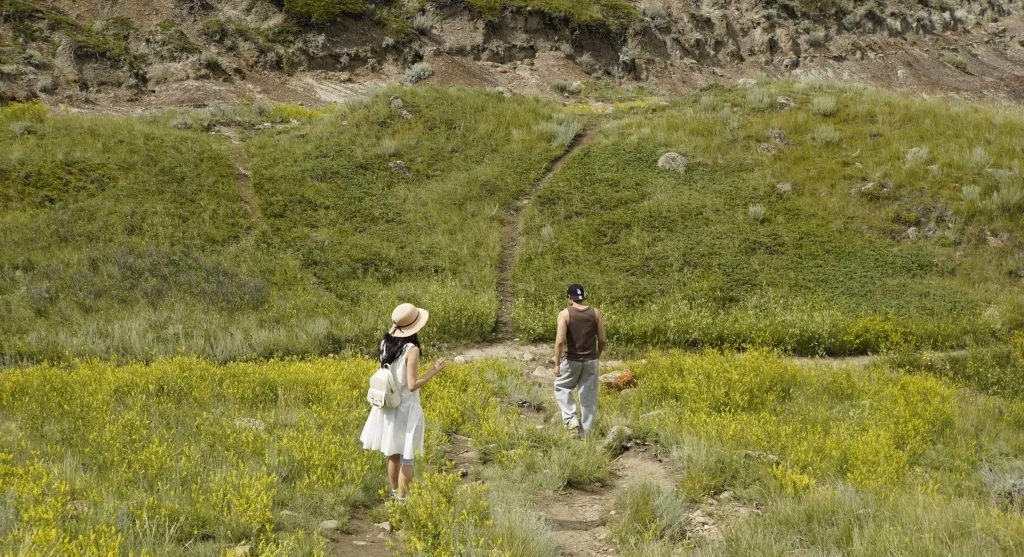
One reason a trail that starts flat feels deceptively easy is that the body naturally trusts the first pattern it experiences. If the first ten or fifteen minutes feel smooth, hikers often assume the whole route will follow that same tone. That assumption can affect pace, break timing, and even how seriously the trail is treated from the beginning.
Outdoor instructors often explain that early terrain strongly influences judgment because it creates the hiker’s first emotional picture of the route. When that picture feels calm and simple, it becomes harder to imagine that the same hike may later feel steep, rough, or much more tiring.
How Flat Trail Starts Affect Hiking Route Planning
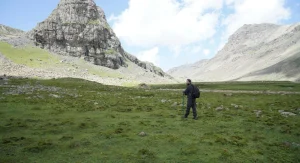
Flat openings often affect hiking route planning because they make time and distance seem more generous than they really are. Hikers may cover the first section quickly and start believing the whole outing is moving ahead of schedule. Later, when the trail begins climbing or the footing becomes slower, that early confidence can fade quickly.
Trail planners often note that the first easy segment can distort timing more than a harder opening does. A tougher start usually forces realistic pacing right away. A flat trail start often delays that realism until much later, when correcting the pace becomes more difficult.
Why Flat Ground Encourages Early Pace Mistakes
Easy ground almost always invites a faster pace. The body feels light, the stride lengthens, and the trail seems to reward speed. On a route that becomes harder later, this can quietly create one of the day’s biggest problems. Hikers may use more early energy than they realize before the trail starts demanding climbing, braking, or more careful footing.
Fitness specialists often explain that this kind of pace mistake is hard to feel in the moment because nothing seems wrong yet. The cost usually appears only after the route changes, when the body suddenly has less energy left than the hiker expected.
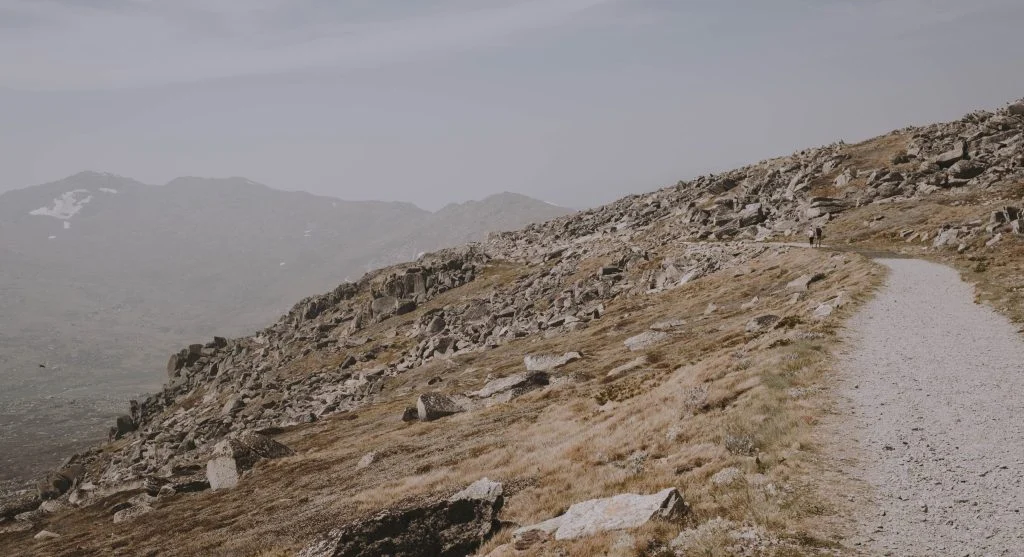
How Later Climbs Feel Bigger After an Easy Opening
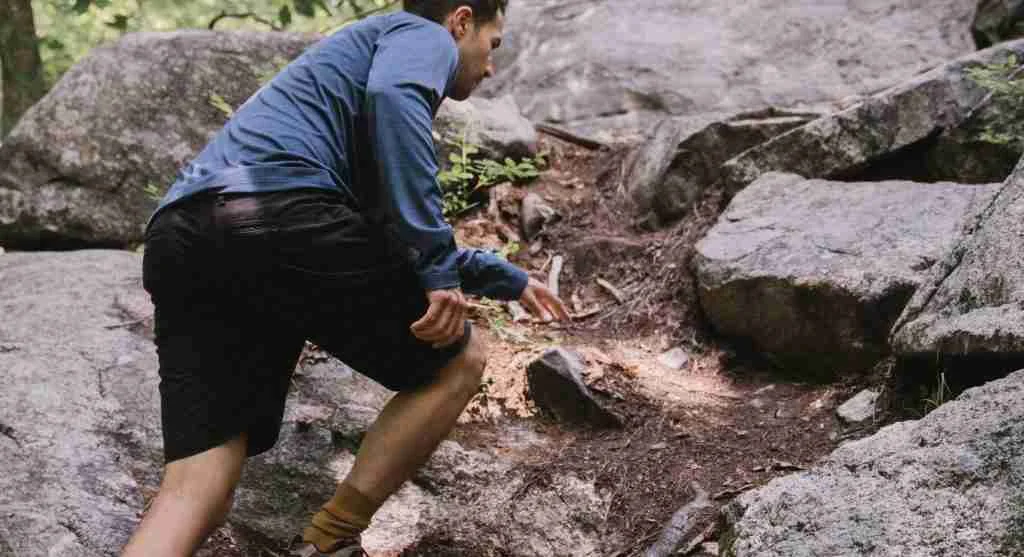
When a trail begins flat, later climbs often feel more dramatic than they would on a route that signaled difficulty earlier. The body is not only responding to elevation. It is also responding to contrast. A hill that might have felt manageable on a steadily challenging trail can feel much larger after a long easy opening that suggested the route would stay gentle.
Movement educators often explain that contrast changes trail effort in the mind as well as in the legs. A climb does not only ask for work. It also interrupts the promise of easy movement that the beginning of the trail seemed to make.
Why Surface Changes Matter More After a Calm Beginning
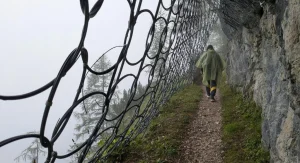
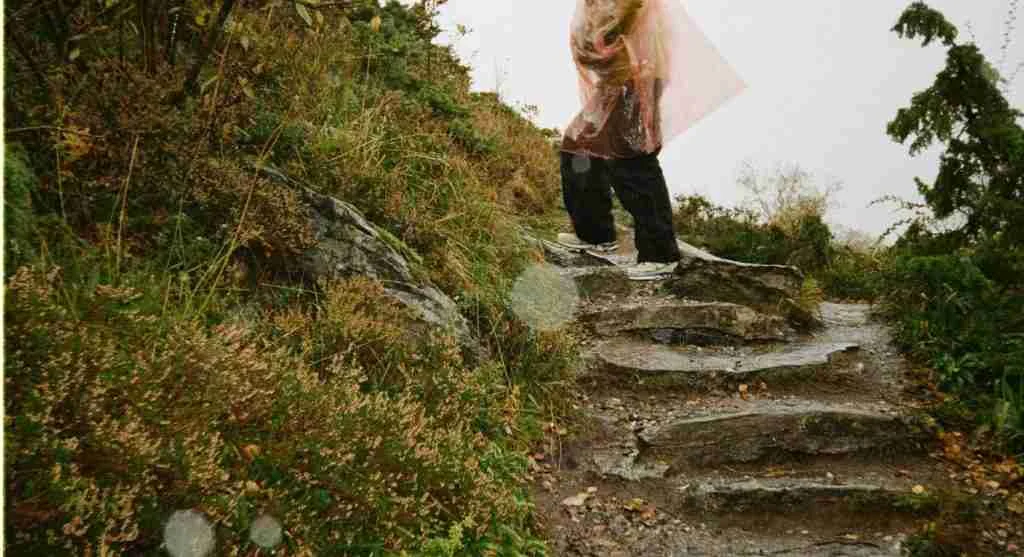
Some trails begin with broad packed tread near the trailhead and later narrow into roots, rocks, loose gravel, or rough steps. This can make the route feel harder than expected because the body has already settled into an easier walking pattern. Once the surface changes, each step begins taking more attention and more balance work than the opening section required.
Outdoor guides often note that hikers usually notice this as a loss of rhythm before they name it as a surface problem. The trail simply stops feeling as smooth as it did earlier, and that change can make the route feel much bigger than the mileage suggests.
How Weather Makes Flat Starts Even More Misleading
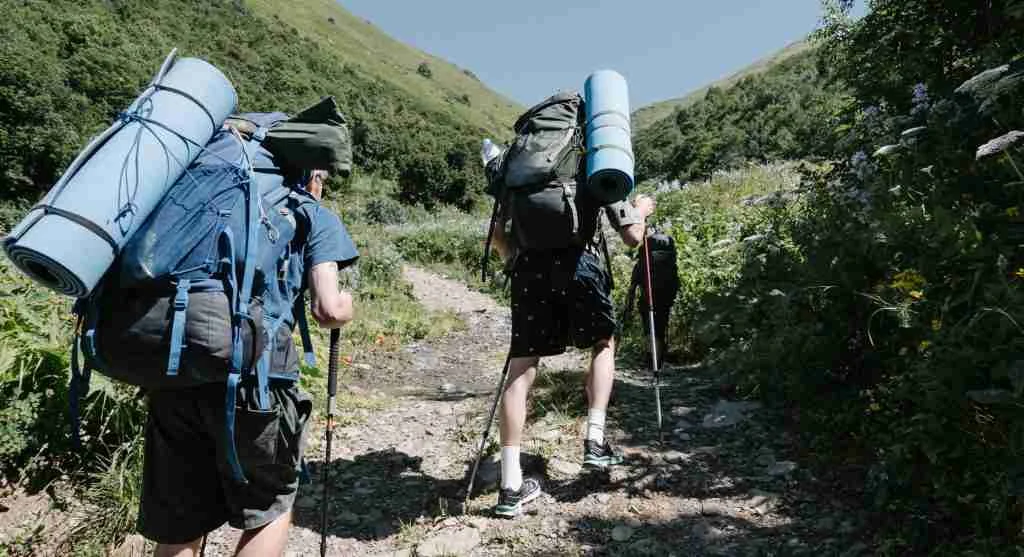
Weather can make this effect stronger. A flat shaded opening in cool morning conditions may feel almost effortless. Later, the trail may climb into sun, wind, or warmer exposed ground. The route then feels harder not only because the terrain changed, but because the day changed with it. A trail that starts flat can therefore create a false sense of security if the easy section also happens during the most comfortable part of the day.
Outdoor weather educators often explain that hikers sometimes blame the later trail entirely when the real issue is the difference between early and late conditions. The comfortable opening made the route feel easier than the return or upper section was ever likely to feel.
Why Fatigue Often Arrives Later Than Hikers Expect
Flat starts can also hide fatigue because they allow the body to move comfortably for a while without strong warning signs. That can make hikers believe they are handling the route effortlessly. Once the trail changes, the same body may suddenly feel less fresh than expected. The fatigue did not come from nowhere. It was simply less visible while the route was easy enough to absorb it quietly.
Fitness educators often explain that this is why the middle and later parts of a hike often feel like the real test. The opening section may have spent energy without looking demanding enough to deserve much respect.
How Return Sections Become Harder After a Flat Outward Start
A flat outward start can also complicate the return. Hikers may remember the opening section as proof that the whole route is gentle, then feel surprised when the second half seems longer, warmer, or more tiring. If the trail’s hardest effort came after the flat opening, the return often arrives when energy is already lower and the easy early miles no longer matter much.
Outdoor instructors often explain that hikers usually do better when they stop treating the opening section as a summary of the full trail. The return rarely cares how easy the first mile felt if the later miles used far more energy than expected.
How Hikers Can Plan Better for Trails That Begin Gently
Better planning often begins with one simple question: what does this route do after the easy start ends? Hikers often benefit from looking beyond the trailhead section and asking where the first climb begins, where the tread gets rougher, where shade disappears, or where pace is likely to slow. These details usually say more about the real difficulty than the first flat stretch ever will.
Outdoor coaches often recommend treating the early easy section as a place to settle into the hike, not as proof that the route can be pushed quickly. That small mental shift often protects energy, timing, and comfort for the harder parts still ahead.
Why the Easiest-Looking First Section Is Not Always the Most Important One
The first flat stretch may be the most inviting part of the route, but it is often not the part that defines the day. The later climb, rough descent, exposed middle section, or longer return usually has more influence on how the hike truly feels. Hikers who understand this often make calmer choices early and enjoy the full route more because they are no longer being misled by the easiest part of the trail.
Outdoor educators often explain that the strongest trail judgment usually comes from looking ahead to where pace will slow, not from trusting where pace feels easy. That is why a trail that starts flat can still feel much harder later than hikers expect.
Frequently Asked Questions
Q: Why does a flat trail start make a hike seem easier?
A: Because the body often trusts the first pattern it experiences. Easy opening ground can make hikers assume the whole route will stay similarly comfortable.
Q: Can a flat start still lead to a hard hike?
A: Yes. Later climbs, rougher footing, sun exposure, and return fatigue can all make the hike much harder than the calm beginning suggested.
Q: Why do later hills feel bigger after a flat section?
A: The contrast makes them feel more dramatic. The body and mind both expected easier movement, so the change feels stronger when climbing begins.
Q: How should hikers plan for trails that begin flat?
A: Many hikers do better by treating the flat opening as a settling-in section and planning around where the trail later gets slower, rougher, or more exposed.
Key Takeaway
A trail that starts flat can still feel much harder later because easy opening ground often hides where the real effort of the route begins. Flat starts shape expectations, pace, and timing in ways that can make later climbs, rough footing, and return fatigue feel more intense than they otherwise would. Hikers usually plan better when they respect what the trail becomes, not only how it begins.