
A light extra layer often seems optional at the trailhead, especially when the weather feels mild and the first section of the hike looks comfortable. Many hikers leave it behind or pack it where it is hard to reach because the day does not seem cold enough to need it. Later, the trail changes. Wind picks up, shade lasts longer than expected, or the body cools quickly after a climb. At that point, a light extra layer often matters much more than it first appeared to matter.
Outdoor educators often explain that hiking comfort is shaped by transitions as much as by overall temperature. Gear specialists also note that changing trail weather often affects the body in quick shifts rather than in one steady pattern. This is why a light extra layer often helps more than hikers expect. It supports the moments when the trail stops feeling like the trailhead did.
Why a light extra layer often seems unnecessary at first
One reason hikers underestimate a light extra layer is that the opening part of the day often feels stable. The air may seem mild, the body may warm quickly, and the route may begin in calm conditions. In that moment, extra clothing can look like extra weight instead of useful gear.
Outdoor instructors often explain that this first impression is one of the most misleading parts of trail planning. The body at the start of a hike is usually moving, warm, and carrying fresh energy. That version of comfort does not always last once the route includes climbs, exposure, wind, or long shaded sections.
How changing trail weather creates quick comfort shifts
Changing trail weather often works in small but important transitions. A forest path opens into wind. A warm climb ends at a breezy viewpoint. A bright trail moves into cool shade beside water or under thicker canopy. These moments often make hikers realize that overall weather is only part of the story. What matters is how the body meets each section of the trail as it changes.
Weather educators often note that hikers usually notice these shifts after they already feel them. A light extra layer often helps because it gives the hiker a simple response before discomfort grows stronger. It does not need to solve extreme conditions. It just needs to bridge small changes before they become bigger comfort problems.
Why post-climb cooling surprises so many hikers
One of the most common moments when a light extra layer becomes useful is right after a climb. During the uphill section, the body produces enough heat that cool air may feel welcome. Once the effort ends, that same air can feel much colder than expected, especially if clothing is slightly damp from sweat and the trail has become more exposed.
Outdoor health educators often explain that hikers often plan for the effort of the climb but not for the cooling that follows. This is why a light extra layer often helps more than hikers expect. It supports the transition from active heat to exposed rest before the body starts losing comfort too quickly.
How shade changes hiking comfort planning
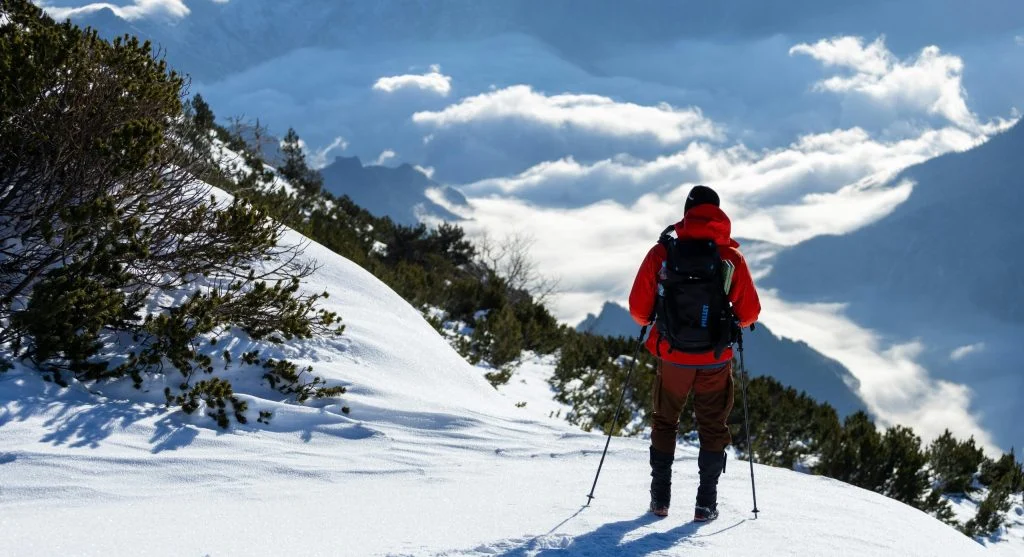
Shade is often seen as a relief on warm days, and it usually is. Yet long shaded stretches can also cool the body faster than hikers expect when the route is breezy, damp, or no longer climbing. A trail that feels ideal in the sun may feel noticeably cooler once the same pace continues under trees or along a shaded ridge.
Outdoor instructors often explain that hiking comfort planning works best when hikers expect one route to contain several different temperature experiences. A light extra layer often becomes useful in these in-between moments, where the day is not cold overall but the trail section is cool enough to change how the body feels.
Why wind makes light clothing matter more
Wind often changes comfort faster than people expect. A mild breeze can feel pleasant while the body is moving hard, then feel sharp once pace slows or the route reaches open ground. A light extra layer often helps more than heavy clothing in these situations because the issue is not always severe cold. The issue is often too much cooling too quickly.
Gear educators often note that hikers do not always need a warm bulky layer to solve this problem. They often just need a simple barrier that reduces how strongly the wind reaches the body during exposed sections or short pauses.
How a light extra layer supports better trail decisions
Comfort affects judgment more than hikers sometimes realize. A person who feels colder than expected may rush a break, shorten a useful pause, or focus too much on discomfort instead of on the route. A light extra layer often helps because it protects not only the body, but also the hiker’s ability to stay calm and deliberate while conditions shift.
Outdoor coaches often explain that small comfort tools often improve the whole hike quietly. When the body stays more stable through wind, shade, or cooling, the route usually feels less dramatic and easier to manage from section to section.
Why easy access matters as much as carrying the layer
A light extra layer helps most when it can be used quickly. If it is buried deep in the pack, hikers may delay putting it on until they already feel uncomfortable. That delay often reduces the value of carrying it at all. A simple layer that is easy to reach often works better than a better layer that feels inconvenient to use.
Gear specialists often note that hikers usually use trail gear most consistently when it is simple to access at the moment it becomes helpful. The same principle that matters for water and snacks often matters for layers too. Easy-to-use gear usually protects comfort earlier.
How the layer helps even on shorter hikes
Some hikers think extra layers matter mostly on long routes. Short hikes can change quickly too. A brief climb to a windy lookout, a cool wooded loop after a sunny trailhead, or an exposed late-afternoon return can all create enough shift that a light extra layer becomes useful. The route does not need to be long for transition comfort to matter.
Outdoor educators often explain that shorter hikes can create false confidence because people expect less change from them. In reality, even a short outing can include sun, shade, wind, and cooling in a sequence that affects the body much more than the mileage suggests.
Why a small piece of gear often changes the whole hike
A light extra layer is not dramatic gear. It does not usually solve emergencies or define the whole trip by itself. Its value often comes from timing. It supports the exact moments when the trail begins feeling different from a few minutes earlier. Those moments are often when hikers lose comfort fastest and need the simplest possible response.
Outdoor instructors often explain that the most useful gear is often the gear that handles transitions well. A light extra layer often helps more than hikers expect because trails change more often than people assume, even on days that seem steady from the parking area.
Frequently Asked Questions
Q: Why does a light extra layer matter if the weather is mild?
A: Mild weather at the trailhead does not guarantee steady comfort on the route. Wind, shade, and post-climb cooling can make a light layer useful even on generally pleasant days.
Q: Is a light extra layer mainly for cold hikes?
A: No. It often helps most on changing trails where the issue is quick comfort shifts rather than extreme cold.
Q: When do hikers usually need the layer most?
A: Common moments include after climbs, at exposed viewpoints, during longer shaded stretches, or when the trail suddenly becomes breezier than expected.
Q: What makes the layer most useful on the trail?
A: Easy access matters a lot. A light extra layer helps most when hikers can reach it quickly and use it before discomfort builds too far.
Key Takeaway
A light extra layer often helps more than hikers expect because trails usually change faster than the weather forecast suggests. Wind, shade, and post-climb cooling can all reduce comfort quickly even on mild days. When hikers carry a light extra layer and keep it easy to reach, the whole route often feels steadier and easier to manage.