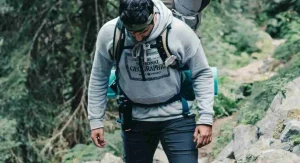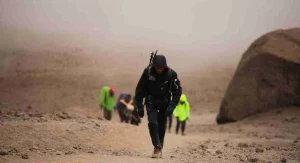

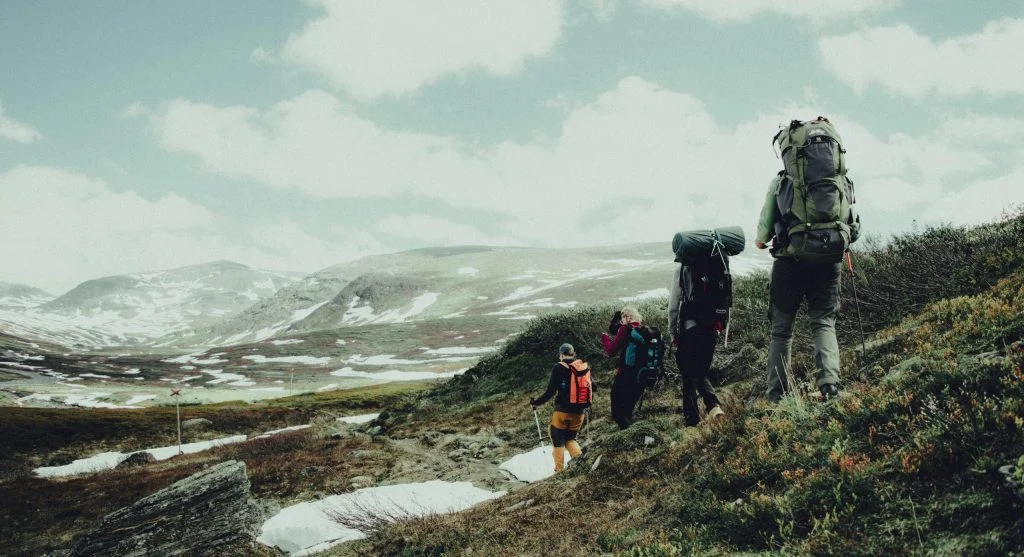
Many hikers stop for good reasons. They may adjust a strap, take a photo, drink water, or step aside to look at a map. The stop itself is often not a problem. What happens next can matter more than people realize. When hikers resume walking without first checking the trail behind them briefly before continuing, they can accidentally step into the path of someone already moving through the section.
Outdoor educators often explain that shared trail safety depends on predictable movement as much as on good intentions. Park staff also note that many awkward trail moments happen not because someone stopped, but because they started moving again without noticing who was already approaching from behind. A short look back often prevents that problem before it begins.
Why hikers should check the trail behind them briefly before continuing
One quick glance behind often helps because trails are shared moving spaces, not private walking lanes. A hiker who stopped off to the side may feel ready to continue, but another person may now be close behind and already planning to pass. Rejoining the trail without checking can force that person to brake, step awkwardly, or change direction suddenly.
Outdoor instructors often explain that this matters most because the restart often feels harmless to the person doing it. The hiker simply takes a step back onto the tread. Yet to the person behind, that same movement may feel sudden and poorly timed.
How shared trail safety depends on predictable restarts
Shared trail safety is often easiest when hikers can predict what others will do next. If someone is standing aside, other trail users assume that person will remain aside long enough for passing to happen smoothly. When the stopped hiker suddenly merges back onto the trail, that expectation breaks. This can create awkward passing on otherwise simple sections.
Trail safety specialists often note that smooth restarts matter especially on narrow trails, descents, or rough ground where there is little room for last-second correction. A short check behind usually restores predictability and keeps the route feeling calmer for everyone involved.
Why hikers often forget to look behind after stopping
Many hikers forget because their attention is still on the reason they stopped. They finish tying a shoe, checking a phone, or adjusting a pack and naturally think first about moving again. That makes sense. The mind shifts from the task back to the trail ahead. The problem is that the trail behind may have changed while the hiker was focused elsewhere.
Outdoor coaches often explain that this is a common awareness gap. The stopped person has been stationary and may assume the trail around them stayed mostly the same. In reality, another hiker may now be only a few steps away and expecting a clear lane to remain open.
How stopping on the side still requires passing awareness
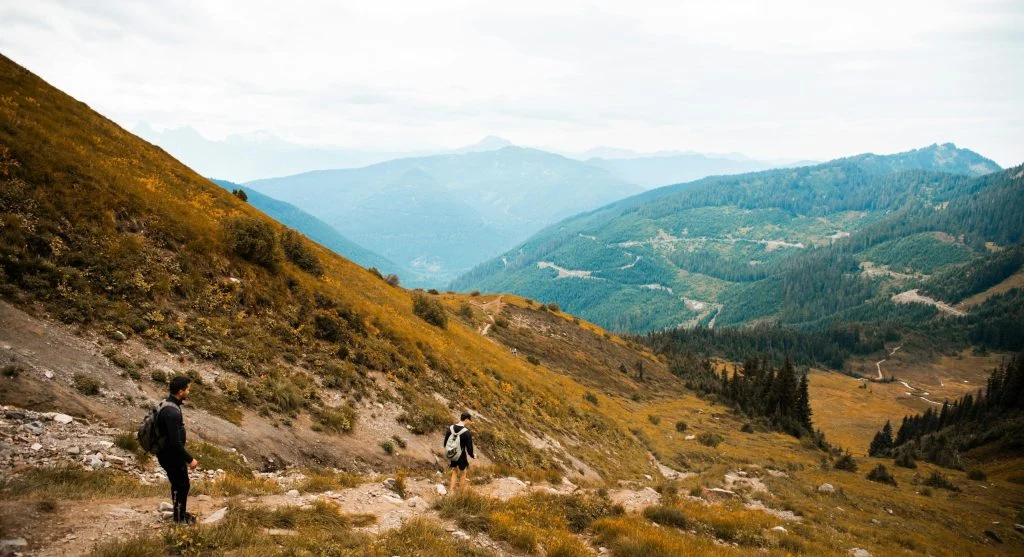
Stepping off the main tread is a strong courtesy habit, but it is only part of the process. Passing awareness matters just as much when the stop ends. A hiker who moved aside politely can still create a problem by returning to the trail at the wrong moment. This is why hikers should check the trail behind them briefly before continuing, even when they already stopped in the right place.
Outdoor guides often explain that stopping and restarting are really one shared action. The stop creates space. The restart needs to protect that space until it is safe to rejoin the trail.
Why narrow trails make this habit more important
On wide routes, a person behind may have enough room to pass even if the stopped hiker starts moving again suddenly. On narrow trails, that margin often disappears. One step back into the tread can close the only easy passing line. This can force the other person onto loose edges, soft ground, or awkward footing.
Outdoor educators often explain that narrow trails make small mistakes feel larger because there is less room for everyone to adapt. A simple glance behind can therefore prevent much more disruption than hikers might expect.
How descents and climbs change the passing problem
Passing awareness becomes even more important on slopes. A hiker moving downhill may need extra room to control pace, while a hiker moving uphill may be working hard to keep momentum. If someone restarts walking without looking behind, the approaching person may be forced into a sudden adjustment at exactly the point where smooth movement matters most.
Trail safety educators often note that this is one reason restart awareness matters even when the trail is not crowded. Only one nearby hiker is enough to create an awkward moment if the timing is poor and the terrain is already demanding.
Why faster hikers and runners make this more relevant
Some trails include hikers moving at very different speeds. A person behind may close the distance more quickly than expected, especially if that person is hiking briskly or trail running. A stopped hiker who assumes the trail is still clear may re-enter the path just as the faster user arrives. This is another reason a brief check behind often matters more than it first seems.
Outdoor recreation specialists often explain that speed differences create timing changes that are hard to judge without looking. What felt like an empty trail a few seconds earlier may no longer be empty when the stop ends.
How this small habit improves trail courtesy
Trail courtesy often works best through small predictable actions. Looking behind before rejoining the tread tells others that the hiker understands the route is shared and active. It protects smooth movement without requiring words, signals, or any complicated coordination. Most of the time, the habit takes less than a second.
Outdoor instructors often explain that the strongest etiquette habits are usually the ones people barely notice because they prevent awkwardness before it happens. A quick glance over the shoulder is one of those habits.
How hikers can make this habit automatic
The easiest way is to link the glance to the end of every stop. Finish the drink, finish the photo, finish the gear check, then look briefly behind before stepping back into the trail line. Over time, this becomes part of restarting rather than an extra task to remember.
Outdoor coaches often recommend keeping the habit simple. The point is not to study the whole trail. It is just to confirm whether someone is already close enough that rejoining now would interfere with their movement.
Why one quick look can protect the whole trail flow
Trail flow is often shaped by tiny moments. A restart done well keeps the route moving naturally. A restart done blindly can create braking, bunching, or frustration in seconds. Hikers who check the trail behind them briefly before continuing usually prevent these problems with almost no effort at all.
Park staff often explain that this is the kind of small awareness that makes crowded and narrow trails feel smoother for everyone. The stop still happens, the trail still works, and nobody behind has to pay for a restart they could not anticipate.
Frequently Asked Questions
Q: Why should hikers look behind before stepping back onto the trail?
A: Because another hiker may already be close behind and preparing to pass. A quick check helps prevent sudden merging into someone else’s path.
Q: Does this matter only on busy trails?
A: No. It matters most on narrow or active trails, but even one approaching person can be affected if a stopped hiker rejoins the tread without looking.
Q: Is stepping aside not enough on its own?
A: Stepping aside is important, but restarting safely matters too. The stop ends well only when the hiker also checks whether the trail is clear before rejoining.
Q: How long should the check take?
A: Usually just a brief glance. The goal is simply to confirm whether someone is close enough behind that re-entering the trail now would interrupt their movement.
Key Takeaway
Hikers who check the trail behind them briefly before continuing after a stop usually improve shared trail safety and reduce awkward passing moments. A quick look back helps confirm whether someone is already moving through the section before the stopped hiker rejoins the tread. In many cases, that one-second habit is enough to keep the whole trail feeling smoother and more courteous.