
Best rest spots on hiking trails often go unnoticed until hikers are already tired, thirsty, or ready to stop wherever they can. By that point, the closest place to rest might be narrow, exposed, or uncomfortable. A better experience usually comes from spotting good stopping points before fatigue builds too much.
Outdoor educators often explain that when you take a break matters almost as much as taking one at all. Trail awareness specialists also note that recovery tends to be more effective when hikers pause in suitable locations rather than waiting until they have no choice. Good break habits can improve comfort, pacing, and safety throughout the hike.
Why best rest spots on hiking trails are often missed
Many hikers stay focused on moving forward and don’t pay much attention to where a good rest spot might be. They notice distance, pace, or views, but not always the practical features of a comfortable place to stop. As a result, good rest spots often pass by while the hiker still feels fine, with the assumption that something better will come along.
Outdoor instructors often point out that this is a natural pattern. When energy is high, rest feels less urgent. The downside is that by the time a break feels necessary, the best place to stop may already be behind.
How trail awareness helps hikers spot better stopping places
Trail awareness involves more than just following the path it also includes noticing where the trail offers comfort and space to pause safely. Good rest spots usually share a few simple features: level ground, some shade, stable footing, and enough room to step aside without blocking others.
Park staff often recommend treating rest awareness as part of overall trail awareness. When hikers notice a good stopping point early, they can choose to use it calmly instead of settling for a less suitable spot later.
Why shade often matters more than hikers expect
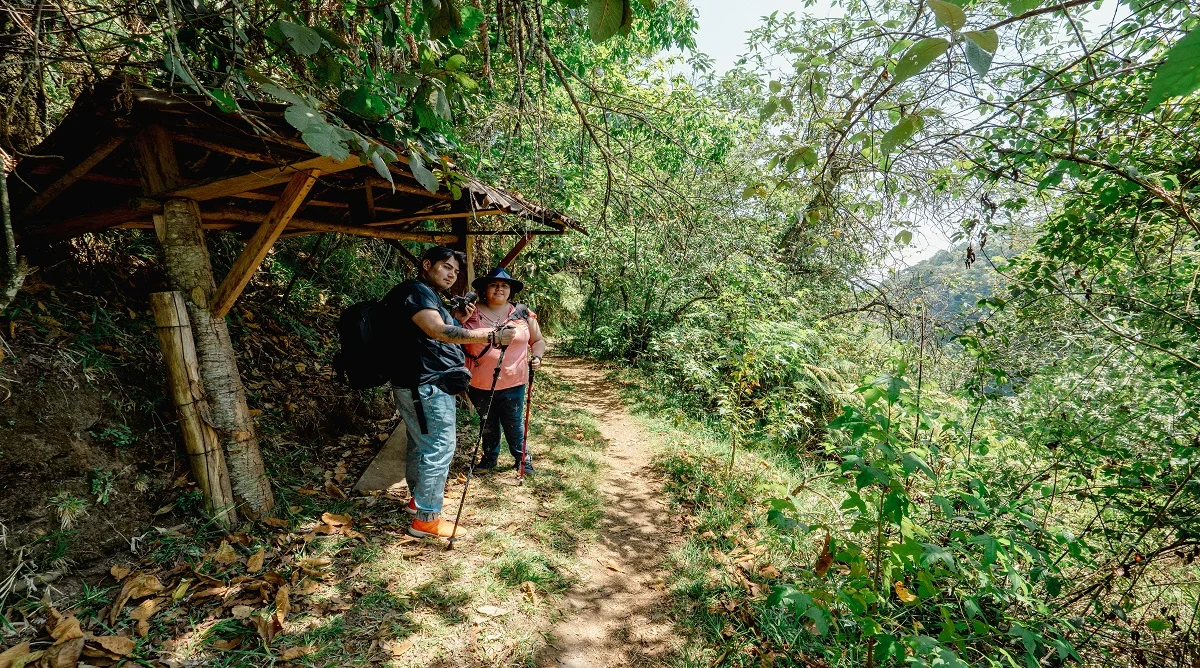
Shade can make a noticeable difference in how effective a break feels, especially in warm or sunny conditions. Even a short pause in a shaded area can help cool the body more than a longer stop in direct sun. Many of the best rest spots feel better simply because they allow the body to recover from heat and effort at the same time.
Outdoor health specialists often explain that heat adds to fatigue gradually. A shaded break can support better recovery, reduce water loss, and help breathing settle, even if the temperature difference seems minor.
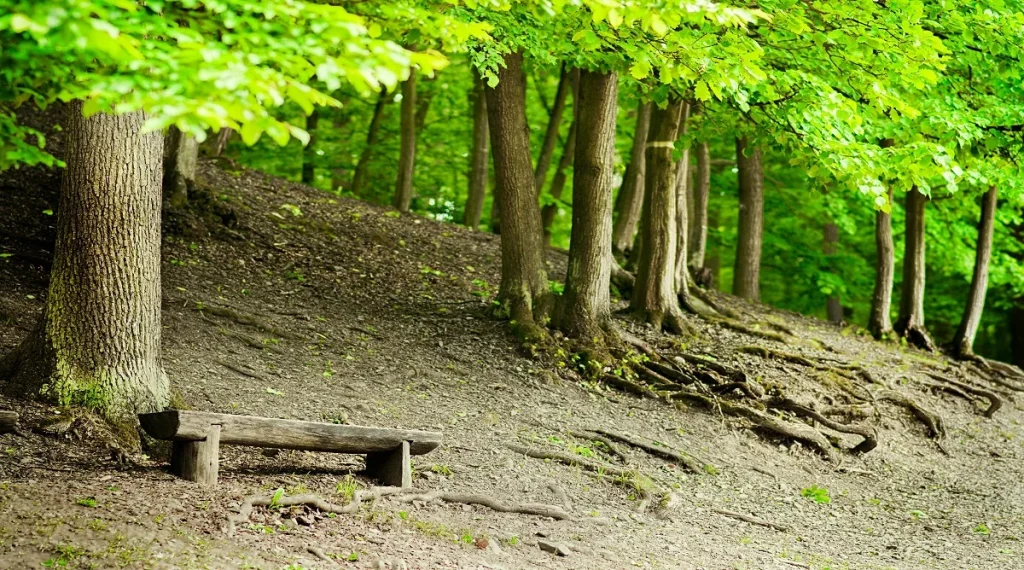
Credit: Vladimír Sládek / Pexels
How footing affects the quality of a trail break
A break feels very different when the body can fully relax on stable ground. Sloped rock, loose gravel, mud, or narrow edges often make it harder to settle. The best rest spots usually offer firm, level footing so the body can release tension instead of staying partially engaged.
Trail safety trainers often point out that unstable surfaces reduce the value of a break. If you’re still adjusting your balance or watching your footing, recovery tends to be incomplete compared to resting on a flatter, more secure spot.
Why early break timing improves hiking break timing overall
Many hikers wait too long before stopping, especially when the trail still feels manageable. This often leads to breaks that happen only after energy has already dropped. Break timing tends to work better when you pause a little earlier, while you still have enough comfort to choose a good location instead of settling for whatever comes next.
Fitness specialists often explain that taking an earlier break doesn’t mean stopping more often it means using breaks to protect energy rather than trying to recover after fatigue has already built up.
How best rest spots on hiking trails also support route flow
Good rest spots don’t just help individual hikers they also make the trail easier for everyone to share. Stopping in wide pullouts, flat shoulders, or safe scenic areas allows others to pass without difficulty. The best rest spots often support both personal recovery and smooth trail movement at the same time.
Outdoor etiquette educators often recommend stepping fully off the main trail whenever possible. This helps create a calmer break while keeping the path clear for others moving in either direction.
Why scenic stops can improve recovery too
A scenic stop can feel more restorative than a purely practical one. Views, open space, the sound of water, or a quiet overlook can help the mind settle as well as the body. The most effective breaks often combine physical comfort with a mental reset from steady movement.
Outdoor psychologists often explain that recovery isn’t only physical. A pause that feels enjoyable or meaningful can improve morale and make the next part of the hike feel easier.
How hikers can get better at noticing these spots earlier
Many hikers improve this skill by asking a simple question from time to time: if you needed to stop in the next few minutes, where would be the best place? This small habit helps build awareness without adding effort. Over time, it becomes easier to notice shade, flat ground, and safe pullouts naturally.
Outdoor coaches often suggest using natural points along the trail as cues. After a climb, before entering an exposed section, near a stream, or after a rocky stretch, take a moment to look for a spot that would allow for a comfortable and effective break.

Credit: Anna Kapustina / Pexels
Frequently Asked Questions
Q: What makes a good trail rest spot?
A: Good rest spots often have level ground, safe footing, enough room to step off the trail, and some shade or comfort. Scenic views can help too, but safety and stability usually matter first.
Q: Why do hikers often miss the best places to stop?
A: Hikers often miss them because they still feel strong at the moment they pass them. By the time fatigue builds, the next available place may be less comfortable or less safe.
Q: Is it better to stop before feeling very tired?
A: In many cases, yes. Earlier breaks often improve hiking break timing because they allow hikers to choose a better spot and protect energy before fatigue becomes strong.
Q: Should hikers stop in scenic places even if they do not need a break yet?
A: Not always, but short pauses in good locations can be useful when they fit the route and conditions. The best rest spots on hiking trails often support both comfort and route awareness.