
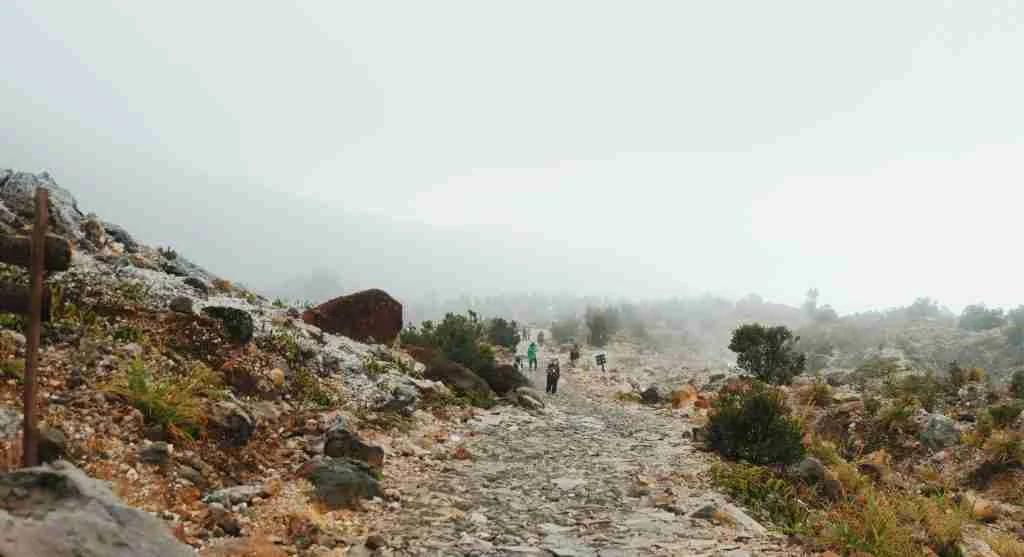
Outdoor educators often explain that hikers do not lose energy only on steep or technical trails. They also lose it on surfaces that quietly interrupt natural walking. Scattered rocks are a strong example because they rarely create one major problem, but they keep changing where and how the feet can land. That often makes hikers feel less efficient even when the trail itself seems moderate on paper.
Why scattered rocks change the feel of a trail so much
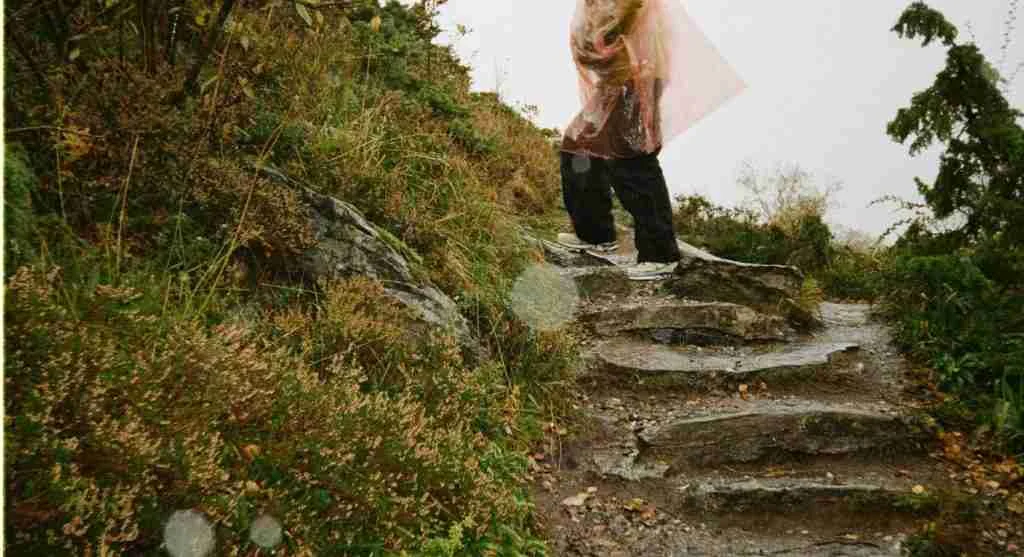
One reason scattered rocks matter so much is that they interfere with repeatable movement. On smoother ground, the body can settle into a predictable stride and let each step support the next one. On rocky tread, even if the rocks are small, the body keeps adjusting. A foot may need to land slightly left, then slightly short, then slightly more carefully than before.
Outdoor instructors often explain that efficiency depends on trust. When hikers stop trusting that the next step will feel simple, the whole trail often begins feeling slower and more expensive.
How small foot placement changes reduce hiking efficiency
Small foot placement changes often matter more than hikers first realize. A rock does not need to be large to affect movement. If it causes the foot to angle differently, shorten a step, or land less cleanly, it has already changed how the body moves forward. When that happens repeatedly, efficiency drops even if no single step feels dramatic enough to deserve much attention on its own.
Movement specialists often note that hiking becomes tiring when the body loses clean repeatability. Scattered rocks do that well because they turn ordinary walking into a series of slight modifications.
Why rhythm disappears faster on trails with scattered rocks
Walking rhythm is one of the body’s quiet advantages on the trail. Once stride, breathing, and timing begin working together, distance usually feels more manageable. Trails with scattered rocks often break that rhythm. The hiker may not stop fully, but the body keeps hesitating just enough to prevent a smooth flow from lasting very long.
Outdoor coaches often explain that this is why a route can feel tiring without looking very severe. The trail is not forcing major slowdown. It is just preventing easy rhythm from staying in place.

How balance corrections quietly drain energy
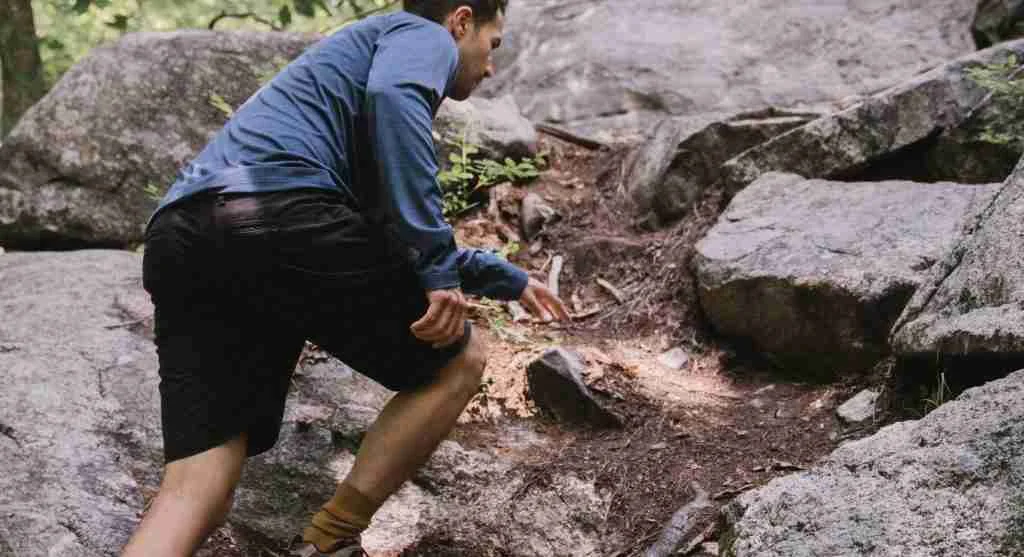
Scattered rocks often create many small balance corrections. A step lands partly on stone, then the body adjusts through the ankle or hip. Another step avoids a loose edge, then the next one searches for firmer dirt. None of this necessarily feels dangerous, but it still costs effort. By the time hikers notice fatigue, the body may already have spent a long time protecting itself from tiny awkward landings.
Fitness specialists often explain that balance work becomes tiring because it hides inside normal walking. The hiker keeps moving, but the body is doing extra work in the background with almost every step.
Why scattered rocks feel worse than one rocky section
One rocky section is often easier to handle because it is obvious. Hikers see it, slow down, and move through it with clear intention. Scattered rocks often feel more draining because they stay spread across the trail instead of forming one clearly difficult area. The hiker never gets one strong warning. The body simply keeps paying small extra costs without enough smoother ground to fully recover rhythm.
Outdoor guides often explain that repeated mild interference often tires people more than one visible hard section. The body usually handles clear problems better than constant low-level interruptions.
How flat trails with scattered rocks can still feel slow
Scattered rocks often surprise hikers most on flat trails. Level ground looks like it should move quickly, so delays feel confusing. Yet flat rocky tread can still feel slow because the surface controls the pace more than the grade does. A hiker may cover the distance, but not with the steady rolling motion that usually makes flat ground feel easy.
Trail planners often note that surface type is sometimes a better predictor of pace than elevation. A flat trail with scattered rocks can take longer and feel more tiring than a smoother trail with slightly more grade.
Why these trails often feel more tiring later in the hike
Early in the hike, hikers usually absorb scattered rocks fairly well. Later, the same trail often feels much more annoying and less efficient. The feet no longer feel as light, the body has less patience for small corrections, and each awkward landing seems to matter more. The terrain may not have changed at all. The body has simply lost some of its extra control margin.
Outdoor educators often explain that this is why scattered-rock trails often reveal their real cost in the second half. The route may have been quietly expensive all along, but later fatigue finally makes that clear.
How hikers can move better on trails with scattered rocks
The most helpful response is usually simple. Hikers often do better by accepting a slightly steadier, shorter-stride pace instead of trying to walk as if the surface were smoother than it is. It also helps to stop searching for perfect speed and focus on repeatable control. Once the body stops fighting the nature of the tread, movement often feels less frustrating.
Outdoor coaches often recommend treating scattered rocks as a pattern, not as random small annoyances. When hikers respect the whole pattern, pace becomes more honest and energy often lasts longer.
Why this matters for trail planning too
Many hikers judge a route by distance, elevation, and major terrain features. Scattered-rock surfaces are easy to overlook because they sound minor. Yet these trails often deserve more time and more patience than their basic route profile suggests. Once hikers understand that, the trail usually feels more logical and far less surprising.
Outdoor educators often explain that better hiking decisions come from asking not only how difficult the trail looks, but how smoothly it actually walks. Scattered rocks rarely look dramatic, but they often change that answer in a big way.
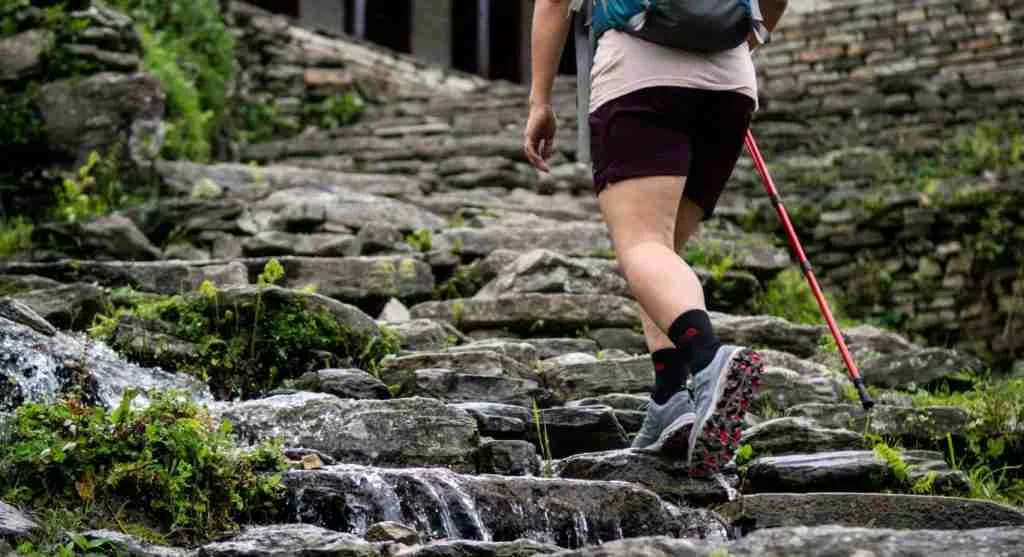
Frequently Asked Questions
Q: Why do scattered rocks make a trail feel less efficient?
A: Because they interrupt natural foot placement, break walking rhythm, and force repeated small balance corrections that quietly drain energy.
Q: Are scattered rocks only a problem on steep trails?
A: No. Even flat or gentle trails can feel slow and tiring when scattered stones keep disrupting clean forward movement.
Q: Why do these trails often feel worse later in the hike?
A: The body has less extra control later, so repeated small corrections feel more tiring and more frustrating than they did early on.
Q: What helps most on trails with scattered rocks?
A: Many hikers do better with shorter steps, steadier pace, and realistic expectations that the surface will not support ordinary smooth-trail rhythm.
Key Takeaway
Hikers often feel less efficient on trails with scattered rocks because the body keeps losing smooth rhythm, stable foot placement, and easy forward movement. The trail may never look severe, but repeated small interruptions quietly drain both time and energy. When hikers respect that pattern early, these routes become far easier to pace and understand.