
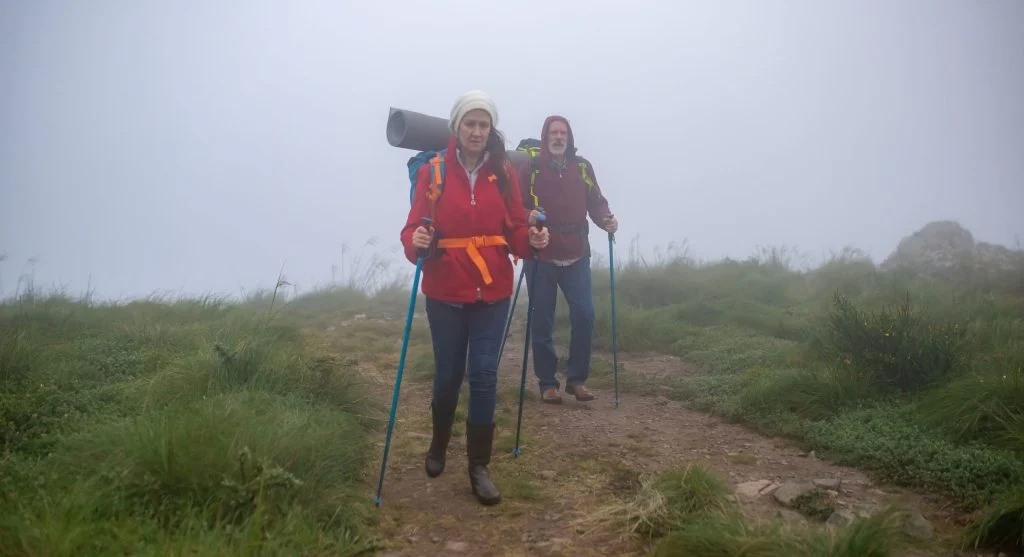
Outdoor educators often explain that breaks do not always create real recovery if the conditions around the stop work against comfort. Windy spots are a strong example because the body cools, rhythm breaks, and the next steps often begin with less physical ease than before. This is why hikers often feel heavier after stopping in windy spots even when the pause was short and the trail ahead has not changed much.
Why windy stops often feel worse than hikers expect
One reason windy stops feel worse is that movement usually hides some of the body’s discomfort. While walking, the legs stay active and the body keeps producing steady effort. When a hiker stops in a windy place, that helpful motion ends. The air that felt refreshing while moving can suddenly feel much colder once the body is standing still.
Outdoor instructors often explain that windy stops often create a false impression. The break feels fine while it is happening, but the real effect shows up during the restart, when the body has to rebuild movement after losing some warmth and rhythm.
How cooling muscles change restart effort
Cooling muscles are one of the biggest reasons hikers feel heavier after stopping in exposed places. The body does not need to become truly cold for this to matter. Even a little loss of warmth can make the legs feel stiffer and less willing to move smoothly. The first few steps afterward often seem unusually heavy because the body is trying to wake movement back up.
Fitness specialists often note that hikers usually notice this through feeling, not through temperature alone. The trail may not seem freezing, yet the restart still feels less fluid because the body lost just enough warmth to make motion less natural.
Why wind breaks comfort differently than ordinary rest
A normal short break in calmer air often lets the body pause without losing too much comfort. Wind changes that balance. Instead of resting in a stable environment, the hiker is resting in a place that keeps pulling heat and comfort away. That means the stop may interrupt rhythm without giving enough real recovery in return.
Outdoor coaches often explain that this is why windy stops can feel oddly disappointing. The hiker expected relief, but the break created just enough cooling and tension to make the next section feel harder instead of easier.

How broken hiking rhythm adds to the heavy feeling
Hiking rhythm helps the body use energy efficiently. Once pace, breathing, and stride settle together, the trail often feels easier than the raw effort would suggest. A stop in a windy section breaks that pattern. When the hiker starts again, the body must rebuild rhythm while also dealing with more exposure and less warmth than before.
Movement specialists often explain that restart fatigue is often less about weakness and more about lost rhythm. Windy stops make that effect stronger because the environment is not helping the body re-enter movement gently.
Why exposed locations make short breaks feel longer
Windy spots are often open ridges, overlooks, saddles, shorelines, or bare trail sections with little protection. These places usually feel larger and more exposed than sheltered wooded trail. Even a short pause there can feel different because the body is not only resting. It is also dealing with the environment more directly. The result is often a heavier restart than hikers expect from such a small stop.
Outdoor guides often explain that location matters as much as break length. Two-minute stops can feel very different depending on whether the hiker paused in a calm forest corner or on an exposed windy shoulder of trail.
How wind affects breathing after a stop
Wind can also change breathing comfort. When the hiker restarts in exposed air, breathing may feel less settled for the first minute or two. The body is moving again, but it has not fully rebuilt the easy rhythm it had before the stop. That often makes the trail feel heavier than it did just before the pause happened.
Outdoor educators often note that hikers sometimes blame the terrain when this happens. In many cases, the slope is not the main issue. The bigger issue is that the restart began in conditions that made the body feel less ready to move smoothly.
Why windy stops feel worse later in the hike
Later in the day, windy pauses often feel more expensive because the body already has less extra reserve. A fresh hiker may recover quickly from a windy stop. A tired hiker often feels the cooling and broken rhythm much more strongly. The same breeze that felt minor earlier now makes the next stretch feel heavier and less enjoyable.
Fitness specialists often explain that late-hike restarts often reveal how much the body depends on warmth and rhythm to stay comfortable. Once those supports weaken, the trail feels harder very quickly.
Why hikers often choose windy spots anyway
Hikers often stop in windy places for understandable reasons. The view is better, the air feels refreshing, or the open section seems like a natural place to pause. None of that is wrong. The problem is simply that scenic exposed locations are often poor places for a body to fully settle if the goal is to restart easily a minute later.
Outdoor instructors often explain that a beautiful stopping point is not always a comfortable recovery point. On windy trails, those two things are often very different.
How hikers can make windy breaks work better
The most useful change is often simple. Hikers usually do better when they keep windy stops shorter, use them for quick tasks, and wait for a more sheltered place if they want a true recovery pause. If the stop has already happened, restarting gently with shorter steps and a calmer pace often helps the body find its rhythm again faster.
Outdoor coaches often recommend thinking of windy stops as view stops rather than recovery stops. That small change in expectation often makes the trail feel much more logical afterward.
Why understanding this improves trail planning
Many hikers think mainly about distance and elevation when planning breaks, but exposed wind can shape recovery just as much as terrain does. Once hikers understand why windy stops often make the next section feel heavier, their break choices become smarter. The hike feels less confusing, and the body usually responds better when rest happens in places that actually support it.
Outdoor educators often explain that one of the best trail habits is learning the difference between a good place to look and a good place to recover. Windy scenic spots are often great for one and poor for the other.
Frequently Asked Questions
Q: Why do hikers feel heavier after stopping in windy places?
A: Because wind often cools the body, breaks hiking rhythm, and makes the first steps of the restart feel stiffer and less smooth.
Q: Are windy stops always a bad idea?
A: Not always, but they are often better for quick views than for full recovery. Sheltered stops usually help the body restart more comfortably.
Q: Why does the trail feel harder after the break even if the slope did not change?
A: The body often lost warmth and movement rhythm during the stop, so restarting feels heavier even on similar terrain.
Q: What helps most after a windy stop?
A: Many hikers do better by restarting gently, shortening steps, and waiting for the body to settle again instead of forcing immediate full trail pace.
Key Takeaway
Hikers often feel heavier after stopping in windy spots because exposed breaks cool the body, interrupt rhythm, and make restarting less comfortable than expected. The stop may look short and harmless, but the next section often reveals its real cost. When hikers choose sheltered recovery spots and restart calmly after exposed pauses, the whole hike usually feels smoother.