
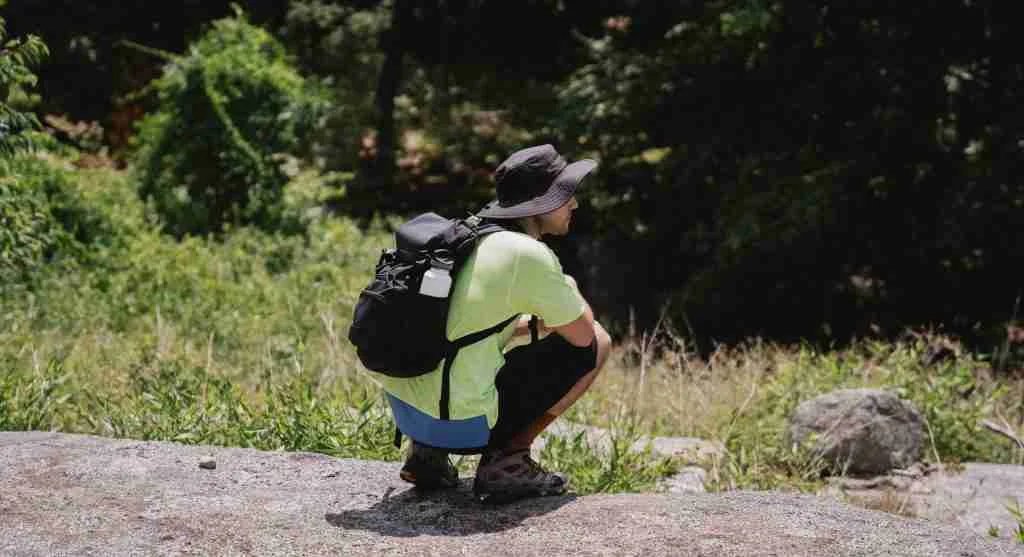
Outdoor educators often explain that the body usually likes consistent conditions. It adapts better when the trail asks for one kind of movement environment at a time. On trails with uneven shade and sun, that stability keeps disappearing. As a result, hikers often feel slower because the body is quietly adjusting again and again instead of moving through one predictable comfort pattern.
Why changing trail exposure affects pace so much
One reason changing exposure slows hikers down is that comfort keeps shifting. In shade, the body often relaxes more. In bright sun, the same pace can suddenly feel warmer, more open, and slightly more tiring. If this pattern repeats often, the hiker may stop finding one reliable rhythm. The body keeps changing its effort level to match the environment instead of simply walking steadily.
Outdoor instructors often explain that hikers do not always notice these transitions clearly because none of them seems dramatic enough on its own. The real effect comes from repetition. The body is adapting to small environmental changes over and over again.
How sun and shade fatigue builds quietly
Sun and shade fatigue usually does not arrive like a steep climb. It builds more quietly. A few sunny patches may seem harmless. Then the body starts feeling slightly warmer, the next exposed section feels a little less comfortable, and the hiker begins slowing down without fully deciding to. By the time the pattern becomes obvious, the route often already feels heavier than it looked at the start.
Fitness specialists often note that repeated comfort changes can be tiring because the body keeps rebalancing heat, breathing, and pace. Even moderate weather can feel more demanding when the trail never stays in one condition for long.
Why the body never fully settles on mixed-exposure trails
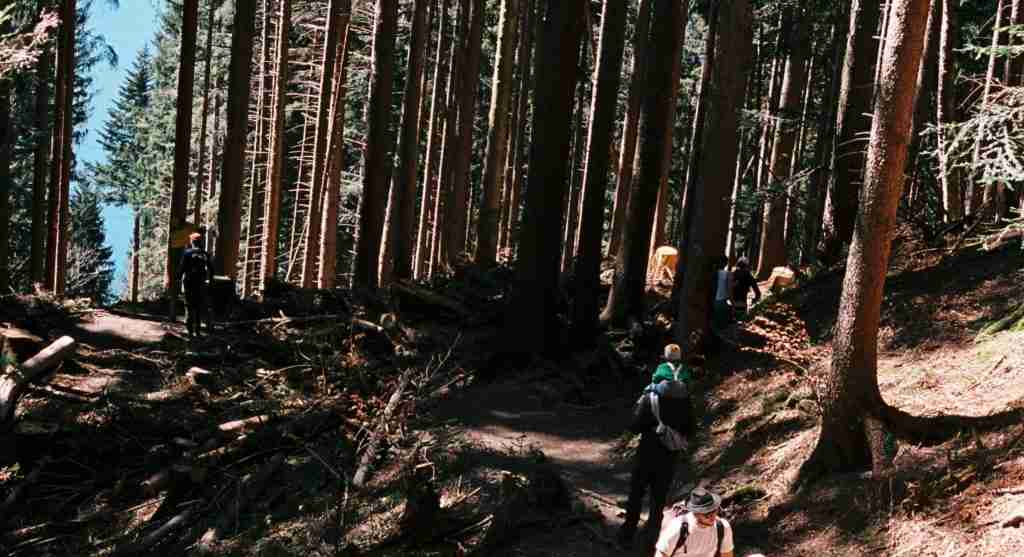
On a consistently shaded trail, hikers often settle into one comfortable way of moving. On a fully exposed trail, they usually adjust pace earlier because the challenge is more obvious. A trail with uneven shade and sun often sits in between. The exposure shifts too often for full comfort, but not clearly enough to force a strong early response. That makes the whole hike feel less stable than either extreme.
Outdoor coaches often explain that mixed conditions are often tiring because they prevent the body from choosing one honest rhythm and staying with it.
How brightness changes walking comfort
Brightness affects more than heat. When hikers move out of shade into stronger light, the trail often feels visually harder too. The eyes work differently, the environment feels more exposed, and the body may become slightly more alert. That shift may seem small, but repeated enough times it can make the route feel mentally busier and physically slower.
Outdoor psychologists often explain that calm visual environments help movement feel smoother. When brightness keeps changing, the hike often feels less settled even if the terrain itself stays moderate.
Why hikers often misjudge effort on these trails
Mixed-exposure trails are easy to misjudge because the shaded sections make the hike feel manageable while the sunny sections quietly raise the cost of movement. Hikers may think the route is still easy overall because part of it genuinely feels good. Later, they wonder why the pace has faded or why the legs feel heavier than expected.
Outdoor guides often explain that these trails can hide effort by spreading it across many small exposure changes instead of one obvious demanding stretch.
How short exposed sections still matter
Many hikers assume only long open sections make a difference. In reality, short sunny stretches can matter too when they keep repeating. Each one may add a little warmth, a little visual strain, and a little pace disruption. By themselves they seem too small to respect. Together they often shape the full feel of the hike.
Weather educators often note that repeated short exposures are often underestimated because no one section looks important enough to explain the later fatigue on its own.
Why these trails feel worse later in the day
Later in the hike, the same shade-and-sun pattern often feels much more tiring. The body has less reserve left to keep adjusting smoothly. Sunny sections feel warmer, shaded sections feel less restorative than before, and pace becomes harder to rebuild after each shift. The trail may not have changed, but the hiker is now experiencing it with less extra energy.
Outdoor instructors often explain that many mixed-condition trails reveal their true difficulty in the second half, once the body no longer has the same flexibility to absorb repeated environmental changes.
How hikers can move better on mixed-exposure trails
The best response is usually simple. Hikers often do better when they respect the whole pattern instead of judging only the comfortable shaded parts. A steadier pace, earlier water use, and less urge to speed up in the cooler sections usually help the body manage the next open stretch more easily. The goal is not to react dramatically to every sunny patch. The goal is to stop pretending the trail is offering fully stable conditions when it is not.
Outdoor coaches often recommend pacing for the full environment, not just for the easiest-looking part of it. That often keeps the hike much steadier from start to finish.
Why understanding this improves trail planning
Many hikers plan around distance, grade, and major exposure, but uneven shade and sun deserve attention too. A route with mixed cover can feel slower than expected even without steep terrain because the body never gets full consistency. Once hikers understand that, these trails make more sense and timing usually becomes more realistic.
Outdoor educators often explain that some of the most helpful trail awareness comes from noticing patterns that do not look dramatic on a map. Uneven shade and sun are one of those patterns. They often shape pace more than hikers expect.
Frequently Asked Questions
Q: Why do trails with mixed shade and sun feel slower?
A: Because the body keeps adjusting to changing comfort and exposure instead of settling into one steady movement pattern.
Q: Does this only happen on hot days?
A: No. Even moderate days can feel more tiring when the trail repeatedly shifts between cool shade and brighter open sections.
Q: Why do short sunny patches matter?
A: Because repeated small exposure changes often add up, even if no single patch seems long enough to matter on its own.
Q: What helps most on these trails?
A: Many hikers do better with steadier pacing, earlier hydration, and realistic respect for the full pattern of changing exposure.
Key Takeaway
Hikers often feel slower on trails with uneven shade and sun because repeated comfort changes quietly interrupt pace, attention, and energy management. The route may not look severe, but the body keeps adapting instead of settling. When hikers respect that pattern early, the whole trail usually feels smoother and easier to time well.