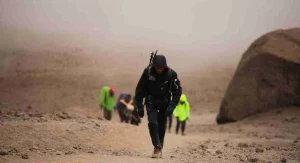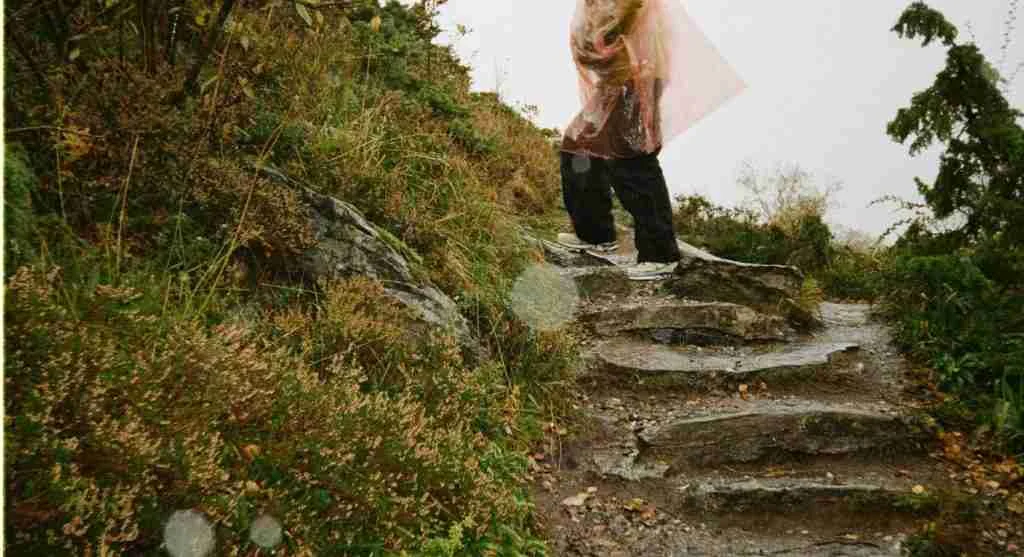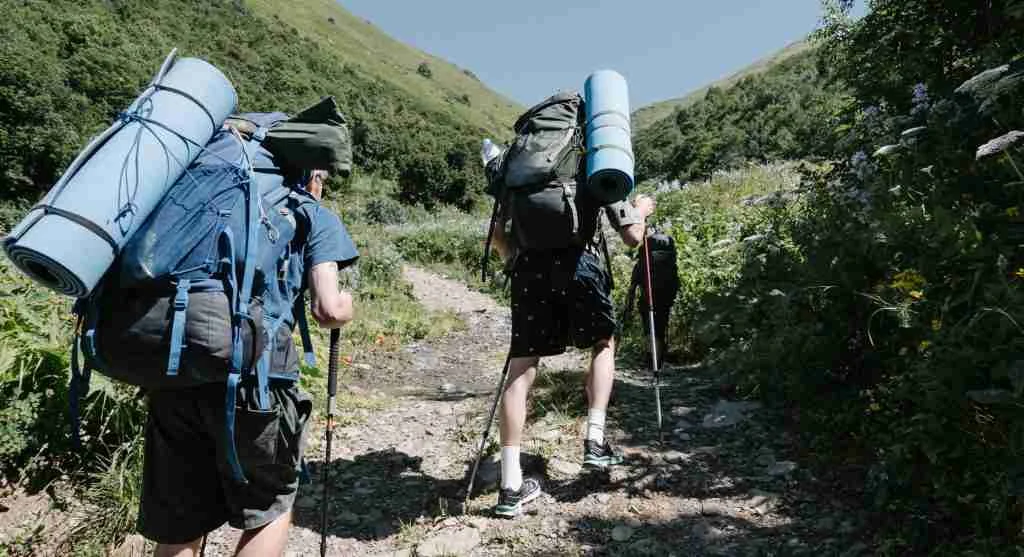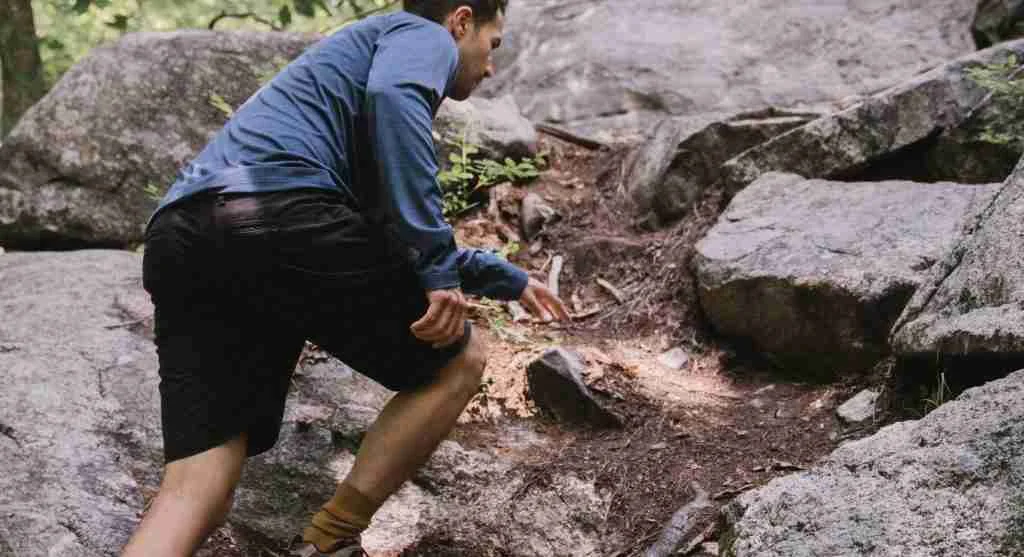


Outdoor educators often explain that repeated short descents can quietly affect pace more than hikers first realize. Each downhill asks for control, braking, and careful landing. When that pattern keeps repeating, the body loses smooth rhythm and begins spending energy in ways that are easy to miss at first. This is why hikers often slow down on trails with repeated short descents even when the elevation profile does not look especially severe.
Why repeated short descents feel more tiring than expected
One reason repeated short descents feel tiring is that they keep changing what the body has to do. A long steady section allows hikers to settle into one movement pattern. A trail full of little drops does not. The body keeps shifting from level walking to downhill control and then back again before it has time to feel fully smooth.
Outdoor instructors often explain that repeated change often costs more than one longer obvious challenge. The hiker never fully relaxes into one pace. Instead, the trail keeps demanding small resets that quietly drain time and energy.
How braking effort builds up on these trails
Short descents may look minor, but each one still asks the legs to slow the body down. That braking effort matters even when the drop is brief. A few careful steps on one small descent may not feel significant. Ten or fifteen similar downhill interruptions across a trail often feel very different by the end of the route.
Movement specialists often note that the body rarely experiences downhill as free movement. It experiences downhill as controlled movement. When control keeps getting turned on again and again, hikers often begin feeling slower without one obvious reason standing out.
Why broken rhythm matters more than hikers think
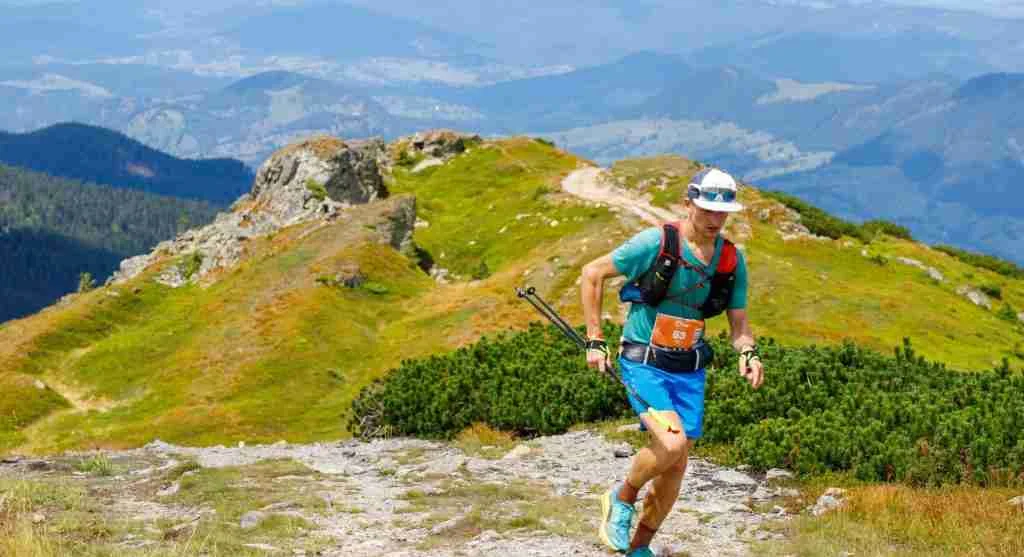
Walking rhythm helps hikers move efficiently. When stride, breathing, and foot placement settle into a pattern, the trail usually feels easier. Repeated short descents break that pattern. The body begins moving smoothly on the flatter section, then must shorten stride and control momentum again a moment later.
Fitness specialists often explain that rhythm saves energy. When a trail keeps interrupting rhythm, even with small changes, the body often feels more tired than the elevation numbers suggest.
How footing changes make short descents slower
Repeated short descents often include the kind of footing that deserves extra care. Small rocks, dust, roots, or uneven tread may not look serious on a map, but they make each downhill segment slower. Hikers cannot simply roll through these sections. They usually need shorter steps and better foot placement, which slows the whole route down.
Outdoor guides often explain that short descents are rarely felt through slope alone. They are felt through slope plus surface. When the surface is only a little loose or a little uneven, the time cost often rises more than hikers expect.
Why these trails often feel worse later in the hike
Early in the day, the body usually handles short downhill interruptions without much complaint. Later, the same pattern often feels more tiring. The legs have less spring, braking feels heavier, and each small descent seems to ask for more effort than it did before. The trail may not be changing, but the body no longer meets it with the same freshness.
Outdoor educators often explain that repeated downhill sections usually reveal their real cost in the second half of the hike. What felt harmless at first begins feeling repetitive and tiring once the body has already spent enough time correcting and controlling.
Why hikers misjudge timing on routes like this
Many hikers misjudge timing because short descents look too small to matter individually. A map may show a fairly manageable route with no major descent. In real hiking, though, a string of small downhill interruptions often slows the route more than one longer predictable section would have. The time is lost in pieces, not in one obvious block.
Trail planners often explain that this kind of route is easy to underestimate because the delays hide inside the pattern. Nothing looks big enough to deserve extra time, yet the full trail keeps taking it anyway.
How hikers can move better on trails with repeated short descents
The most useful adjustment is usually simple. Hikers often do better when they stop treating the flatter sections as chances to rush and instead keep a steadier overall pace. Shorter steps on each descent, calmer rhythm between them, and earlier acceptance that the route will move more slowly often help a lot.
Outdoor coaches often recommend thinking of the whole pattern as the challenge, not each little downhill by itself. Once hikers respect the repeated descents as one real trail feature, pacing usually improves.
Why understanding this makes route planning smarter
Routes with repeated short descents often feel more logical once hikers understand why they slow movement down. The trail is not randomly tiring. It is asking for control again and again. That means it deserves more patience and a more realistic time estimate than the elevation profile alone might suggest.
Outdoor educators often explain that better hiking decisions come from asking how the trail behaves, not only how high or low it goes. Repeated short descents are a good reminder that even modest-looking terrain can still shape pace in a big way.
Frequently Asked Questions
Q: Why do repeated short descents slow hikers down?
A: Because each descent requires braking, careful landing, and a rhythm reset, which adds up over the full trail.
Q: Are short descents really tiring if they are not steep?
A: Yes. Even small downhill sections can become tiring when they keep repeating and interrupting normal walking flow.
Q: Why do these trails feel worse later in the day?
A: The body has less extra control left later, so repeated braking and careful foot placement begin feeling much more expensive.
Q: What helps most on these routes?
A: Many hikers do better with shorter steps, steadier pacing, and realistic expectations that repeated short descents are the real challenge of the hike.
Key Takeaway
Hikers often slow down on trails with repeated short descents because the body keeps braking, resetting rhythm, and handling small footing changes instead of settling into easy movement. The individual drops may look minor, but the repeated pattern quietly drains time and energy. When hikers recognize that early, the route becomes much easier to pace well.