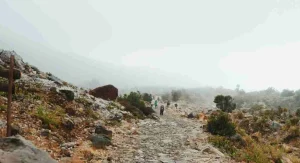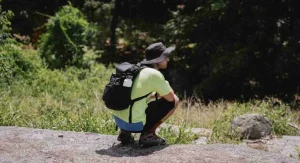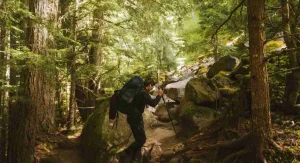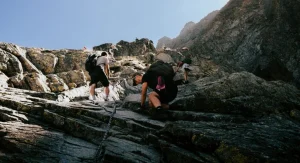

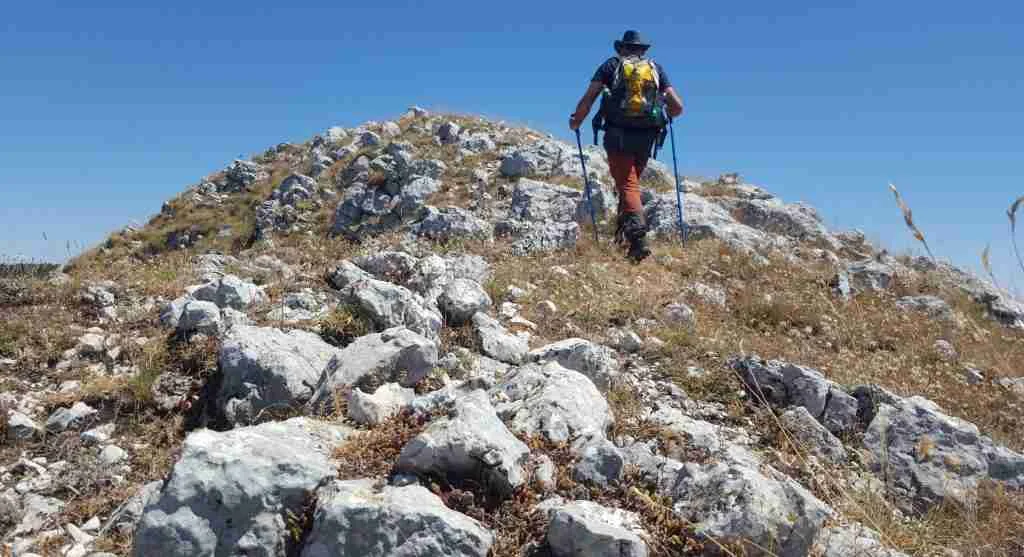
Outdoor educators often explain that hiking pace depends on more than elevation gain. Surface behavior matters just as much. A rocky flat trail may look moderate on paper, but it can still reduce speed because every few steps interrupt normal movement. This is why hikers often feel slower on rocky flat trails even when there are no major climbs to explain the delay.
Why flat rocky trails often feel unexpectedly slow
One reason flat rocky trails feel slow is that they remove the easy walking rhythm hikers expect from level ground. On smooth flat paths, the body often settles into a steady forward pattern. On rocky flat sections, that pattern keeps breaking. The hiker is still moving across mostly level terrain, but each step needs more judgment than a normal flat trail would require.
Outdoor instructors often explain that hikers usually associate slowness with uphill effort. Rocky flat trails challenge that idea because they replace climbing strain with constant interruption. The ground is level enough to look easy, but not stable enough to walk quickly without repeated adjustments.
How uneven trail footing changes pace
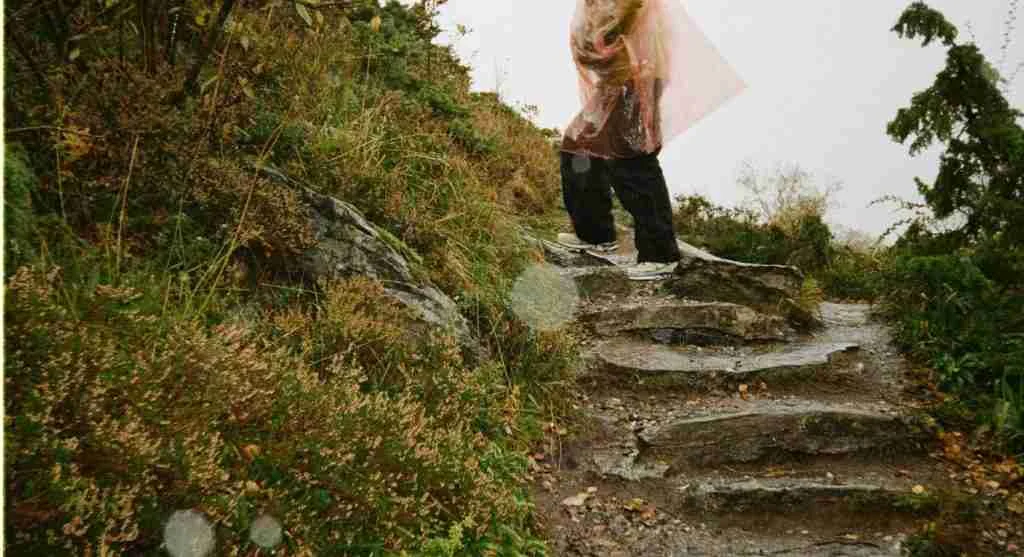
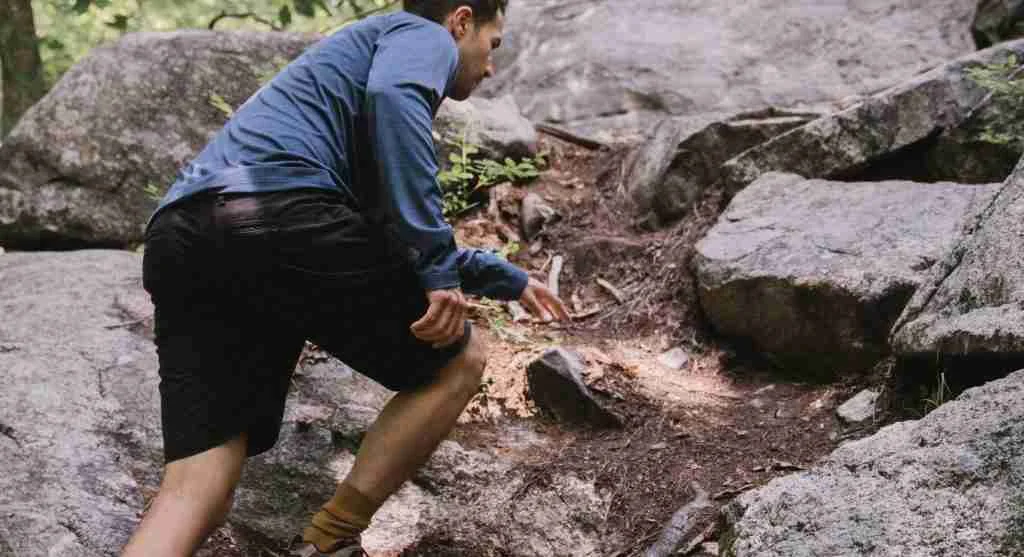
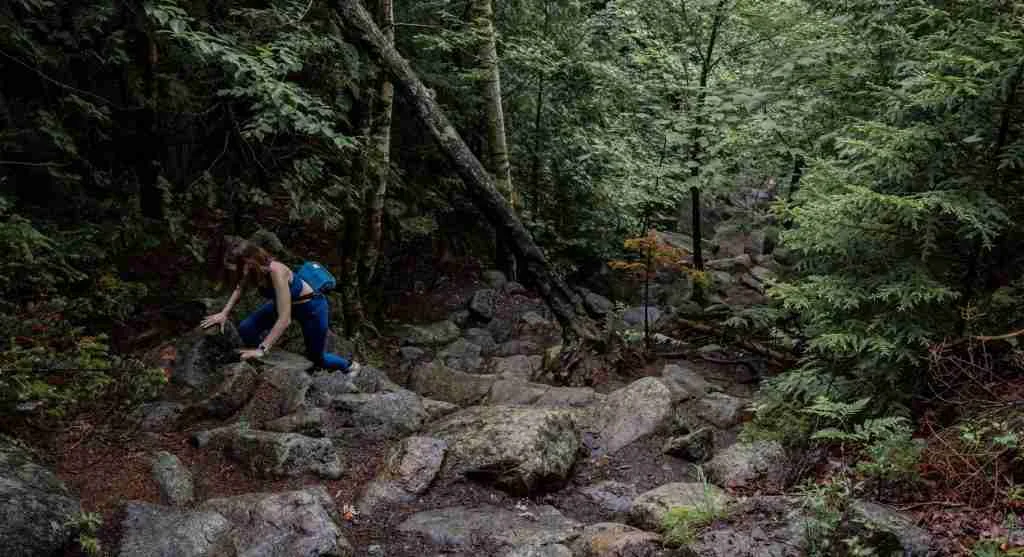
Uneven trail footing usually slows hikers before they fully notice why. A boot lands on a stone edge, then the next step needs a small correction, then another landing asks for slightly different balance. None of these moments is dramatic enough to feel like a major obstacle, yet together they keep the body from moving with the same confidence it would have on packed dirt.
Movement specialists often note that pace drops most when the body stops trusting its next landing. On rocky flat trails, that trust often weakens just enough to matter without creating one obvious problem to blame.
Why repeated balance checks drain time and energy
Rocky flat trails often require repeated balance checks. A hiker may not stop fully, but the body keeps making tiny corrections through the ankles, hips, and shoulders. Those corrections cost time because they reduce stride freedom. They also cost energy because the body stays more active than it would on smoother ground.
Outdoor coaches often explain that these trails are tiring partly because they do not let the hiker relax into motion. Even when the route looks moderate, the body keeps working in a careful mode instead of a natural walking mode.
How rocky flat terrain breaks walking rhythm
Walking rhythm is one of the biggest hidden supports in hiking. When stride, breathing, and foot placement begin working together, the route usually feels easier than its raw distance would suggest. Rocky flat terrain often breaks that rhythm because every few steps require a change in timing. The hiker may shorten stride, delay push-off, or hesitate slightly before committing weight forward.
Fitness specialists often explain that broken rhythm is one of the main reasons some flat routes feel much longer than expected. A hike can stay level and still feel tiring if the body never gets a long stretch of easy repeated movement.
Why rocky ground can feel mentally busier too
These trails often feel mentally tiring as well as physically slow. The hiker keeps scanning for the next clean landing instead of simply following a strong central line. That extra attention does not always feel stressful, but it often makes the route feel less restful. A mile of rocky flat ground can therefore feel much more active than a mile of smooth trail, even without added elevation.
Outdoor psychologists often note that the mind measures ease partly through predictability. Rocky flat trails reduce predictability, so the route often feels longer even when the scenery and distance stay manageable.
How flat rocky trails affect the second half of a hike
Later in the day, these trails often feel even slower. Early on, the body usually absorbs small corrections fairly well. After enough distance, those same small corrections begin feeling heavier. The feet seem less light, the stride feels less free, and the trail starts seeming bigger than it looked on the map. The terrain itself may not have changed. The body simply has less spare control left.
Outdoor educators often explain that flat rocky terrain reveals its real cost later because repeated interruption usually feels manageable until enough repetition has collected. That is why some hikers are surprised when a modest route suddenly feels more tiring in the second half.
Why pace expectations are often wrong on these trails
Hikers often estimate time too optimistically on rocky flat trails because flat mileage looks fast in theory. The mistake is understandable. On roads, sidewalks, or smooth paths, flat distance often does move quickly. On rocky terrain, flat does not mean free movement. The body may still need a careful pace, and that can change total trail time by much more than hikers expect.
Trail planners often explain that surface type belongs beside distance and elevation in any realistic hiking estimate. Flat rocky routes often teach that lesson clearly because they look easier than they really walk.
How hikers can move better on rocky flat trails
The best adjustment is usually simple. Hikers often do better by accepting the slower pace earlier instead of fighting for smooth-trail speed on uneven ground. Shorter steps, calmer rhythm, and less frustration usually protect both energy and balance. Once the body stops trying to move like the trail is smoother than it is, the route often feels much more manageable.
Outdoor instructors often recommend thinking of rocky flat trails as control trails, not speed trails. The goal is not to walk them like level pavement. The goal is to move through them steadily enough that the body does not waste energy on constant correction and impatience.
Why understanding this improves route planning
Many hikers feel better once they realize the trail is not slow because they are doing something wrong. It is slow because the surface keeps interrupting natural walking. That understanding makes both pacing and route choice more realistic. A flat rocky trail may still be enjoyable, but it deserves more respect than its elevation profile alone suggests.
Outdoor educators often explain that good trail judgment comes from asking how the route walks, not just how it rises. Rocky flat trails are a perfect example. They may look mild on paper, yet still demand patience, attention, and more time than hikers first imagine.
Frequently Asked Questions
Q: Why do rocky flat trails feel slow even without climbs?
A: Because uneven footing, repeated balance checks, and broken walking rhythm often reduce pace even when the trail stays mostly level.
Q: Are rocky flat trails physically tiring?
A: Yes. They often create hidden fatigue through constant small corrections and attention demands instead of through big uphill effort.
Q: Why do hikers misjudge timing on these trails?
A: Flat mileage looks fast on paper, but rocky surfaces often prevent the kind of easy continuous movement hikers expect from level ground.
Q: What helps most on flat rocky terrain?
A: Many hikers do better with shorter steps, steadier rhythm, and realistic acceptance that the trail deserves a slower pace than smoother flat paths.
Key Takeaway
Hikers often feel slower on rocky flat trails because level ground does not guarantee easy movement. Uneven footing, constant small corrections, and broken rhythm quietly drain both time and energy. When hikers respect the surface instead of the elevation profile alone, these routes usually feel much more logical and manageable.