
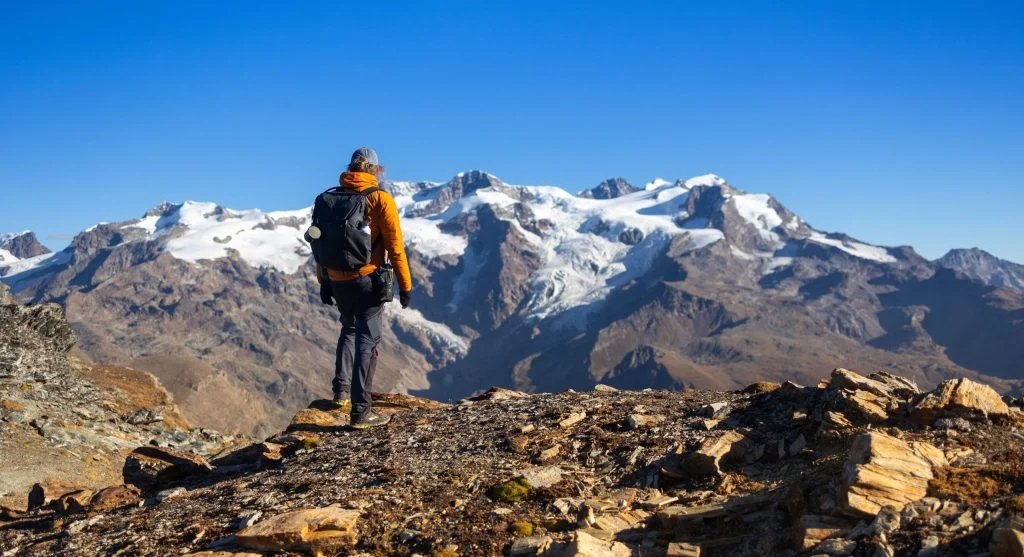
Solo hikes often feel calm, flexible, and easy to shape in the moment. That freedom is one of the best parts of hiking alone. It can also create one of the most common planning mistakes. Many solo hikers wait too long to decide when to turn back because the trail still feels comfortable, the weather still seems manageable, and the route ahead still looks inviting. By the time the need to return becomes obvious, the second half of the hike may already be tighter than it should be.
Outdoor educators often explain that solo hiking timing works best when important decisions are made before the trail begins to feel especially enjoyable or especially easy. Search and rescue trainers also note that many late-return problems start with one simple pattern: the hiker keeps going because nothing feels urgent yet. This is why it often helps to pick a turnaround time before the route has a chance to make continued progress feel too easy to question.
Why Solo Hikers Should Pick a Turnaround Time Early
One reason solo hikers benefit from choosing a turnaround time early is that the outward half of a hike often feels more open and optimistic than the return. Energy is usually stronger, the scenery still feels fresh, and the body has more willingness to keep exploring. In that setting, it becomes easy to treat time as flexible, even when the route deserves clearer limits.
Outdoor instructors often explain that a turnaround time is not mainly about cutting a hike short. It is about protecting the quality of the second half. The goal is to turn while the hike still has enough margin, not only after the trail finally begins to feel long, warm, or tiring.
How Solo Hiking Timing Drifts on Easy-Feeling Trails
Solo hiking timing often drifts because no one else is there to create a check on pace or schedule. A short photo stop becomes a longer one. A nice viewpoint invites a few extra minutes. The trail still feels smooth enough that none of these changes seem important on their own. Together, though, they can quietly reshape the whole day.
Outdoor coaches often note that solo hikers may miss this drift because the route still feels under control. The hiker is not always making one big mistake. Instead, the schedule is being changed by a series of small, comfortable choices that all seem harmless at the time.
Why the Outward Hike Often Hides the Real Cost of the Return
The first half of a hike often makes distance feel easier than it really is. That happens because the body is fresh and the route still feels like progress into something new. Later, the same distance back can feel much larger. This is one reason turnaround decisions should happen early rather than late. The outward route does not always reveal how the return will actually feel.
Fitness specialists often explain that the body tends to feel the second half more honestly than the first. The return exposes pace mistakes, food timing issues, heat buildup, and quiet fatigue that seemed easy to ignore while the trail still felt exciting and forward-moving.
How Changing Conditions Affect Return Trail Planning
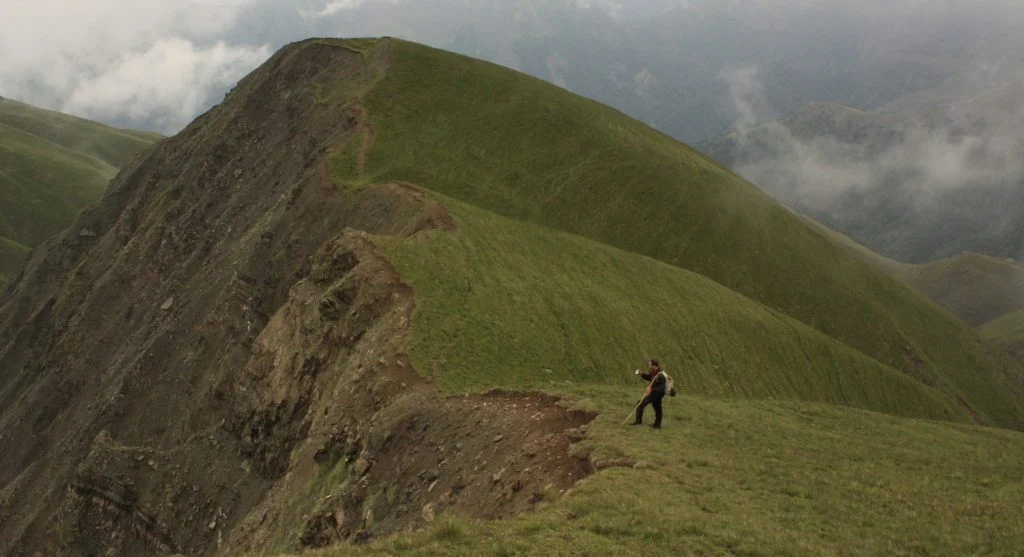
Return trail planning is rarely only about distance. Time of day, shade, exposure, heat, wind, and footing all matter too. A trail that felt cool in the morning may become much warmer on the return. A descent that felt simple on fresh legs may feel slower later. When solo hikers wait too long to decide on turning back, these changing conditions often make the second half more demanding than expected.
Outdoor weather educators often explain that hikers should plan for the return conditions they are likely to meet, not only the conditions they are enjoying now. That is why a turnaround time often needs to be set before the best-feeling part of the trail encourages the hiker to keep stretching the plan.
Why Easy Sections Are Often the Worst Time to Decide
Easy sections can be deceptive decision points. When the trail is smooth, shaded, or scenic, a hiker may feel as if there is no real cost to going a little farther. The problem is that the decision is being made in the most comfortable moment instead of a realistic one. The harder return still exists, even if it is not being felt yet.
Outdoor instructors often explain that this is why solo hikers should pick a turnaround time before the trail starts feeling easy in a tempting way. Decisions made during comfort often underestimate what the later trail will ask.
How a Turnaround Time Protects Pace and Confidence
A planned turnaround time usually protects more than the schedule. It protects the calm sense of control that makes solo hiking enjoyable. Without one, hikers may start wondering whether they should turn back, whether they already waited too long, or whether the return will feel rushed. That uncertainty can weigh on the whole second half of the hike.
Outdoor coaches often note that strong solo hiking comes from reducing avoidable decisions before fatigue arrives. When the turnaround point has already been set by time, the hiker does not need to negotiate with the trail every time the next section looks inviting.
Why “Just a Little Farther” Causes So Many Late Returns
One of the most common solo hiking phrases is also one of the least helpful: just a little farther. The next ridge, next bend, or next crossing often looks close enough to justify continuing. Once that point is reached, another one appears. This pattern can continue much longer than hikers expect because each extension feels small when judged on its own.
Search and rescue trainers often explain that late returns frequently begin this way. The hiker does not ignore safety outright. The hiker simply keeps accepting one more small extension because the trail still feels manageable in the present moment.
How Hikers Can Choose a Good Turnaround Time
A useful turnaround time often depends on the route, the season, the expected return conditions, and how much margin the hiker wants to keep. Many solo hikers do well by choosing a specific clock time before starting and treating it as the point when the return begins, even if the location reached by then feels a little earlier than hoped.
Outdoor educators often recommend choosing the turnaround based on the most demanding likely part of the return, not on the most pleasant part of the outward hike. This often leads to steadier pacing, easier decision-making, and less pressure later in the day.
Why Early Discipline Often Makes the Whole Hike Feel Better
Turning back on time can feel disappointing for a moment, especially when the trail still looks inviting ahead. Later, that same decision often feels wise. The return stays calmer, the pace stays more manageable, and the hiker finishes with more confidence instead of unnecessary strain. In many cases, what first feels like restraint becomes the reason the whole route still feels enjoyable at the end.
Outdoor coaches often explain that the best solo hiking decisions are usually the ones that protect the second half before it asks for help. A good turnaround time does exactly that. It keeps the return from becoming the part of the hike that quietly turns a good outing into a tiring lesson.
Frequently Asked Questions
Q: Why should solo hikers choose a turnaround time before the trail feels easy?
A: Because easy-feeling trail sections often make it tempting to keep going farther than the return conditions or timing really support.
Q: Is a turnaround time mainly for difficult hikes?
A: No. It helps on many solo hikes because timing drift can happen even on moderate or enjoyable routes when small delays keep adding up.
Q: What is the biggest problem with deciding late?
A: The outward trail often hides how the return will feel. Waiting too long can leave less energy, less time, and less comfort for the second half.
Q: How can hikers choose a good turnaround time?
A: Many hikers do better by picking a specific clock time before starting and basing it on return conditions, daylight, and how much margin they want to keep.