
Many hikers expect high humidity to feel uncomfortable and assume dry weather will feel easier in comparison. Sometimes it does feel better at first. Yet dry heat can make a hike feel harder than the temperature suggests, especially on open trails with steady sun and little shade. The air may not feel sticky, but the body can still be working much harder than expected.
Outdoor educators often explain that dry trail weather can hide effort because it feels cleaner and lighter than humid heat. Weather specialists also note that hikers may lose water and comfort steadily without receiving the strong warning signs they expect on muggy days. This is why a trail can feel surprisingly tiring even when the temperature alone does not seem extreme.
Why Dry Heat Can Make a Hike Feel Harder Than Expected
One reason dry heat can make a hike feel harder is that it often feels manageable during the first part of the route. The air may seem crisp, sweat may evaporate quickly, and the body may not feel obviously overheated. That early comfort can make hikers assume the day is easier than it really is.
Outdoor instructors often explain that this is exactly where the problem begins. When conditions feel deceptively comfortable, hikers may keep a faster pace, delay drinking water, or underestimate how much the sun and dry air are already affecting the effort of the hike.
How Dry Trail Weather Hides Rising Strain
Dry trail weather often hides rising strain because the body does not always feel wet or heavy the way it might in humid conditions. A hiker may not notice how much moisture is being lost. The trail can still feel clear and manageable while the body slowly becomes less supported than it was earlier in the outing.
Outdoor health educators often note that hikers sometimes rely too much on obvious discomfort to judge trail conditions. In dry heat, those signals may arrive later than they should. The route may already be affecting pace and energy before the hiker clearly realizes something has changed.
Why Sun Exposure Matters More in Dry Air Than Hikers Think
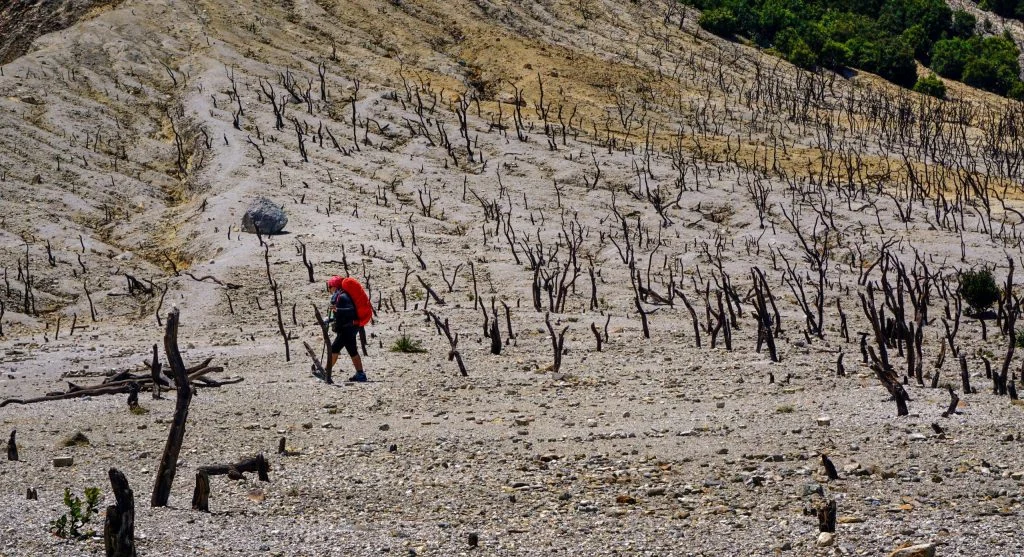
Sun exposure often becomes the real force behind a difficult dry-weather hike. Bright sun on open ground, pale rock, or dusty trail can make the route feel much stronger than the air temperature suggests. Dry heat can make a hike feel harder because the body is not only dealing with warm air, but also with direct light and reflected warmth from the landscape.
Weather educators often explain that hikers sometimes judge the day mainly by air temperature. On exposed trails, the body may be responding much more to sun and ground conditions than to the number shown in the forecast.
How Hiking Heat Fatigue Builds Without Dramatic Warning
Hiking heat fatigue in dry conditions often builds quietly. A hiker may begin taking slightly shorter steps, pausing more often, or feeling less patient without connecting those changes to the weather. The trail may still seem reasonable, so the real cause can stay hidden longer than expected.
Fitness specialists often explain that this is one reason dry heat can feel confusing. The route does not always seem difficult in one obvious way. Instead, the whole hike begins to feel heavier through a series of small changes that are easy to miss until they have already shaped the day.
Why Water Needs Often Get Underestimated in Dry Conditions
Many hikers drink less than they should in dry air because they do not feel as damp or uncomfortable as they would in humid weather. That can make water needs harder to judge. Dry heat can make a hike feel harder because the body may already be falling behind long before strong thirst becomes the main warning sign.
Outdoor coaches often note that hikers usually do better when they treat dry conditions as a reason for earlier support, not as a reason to worry less. The air may feel easier, but that often means it is easier to miss what the body is steadily using.
How Open Trails Make Dry Heat Feel Even Sharper
Open terrain often magnifies the effect of dry heat. Without shade, each section of trail keeps the body in steady sun for longer stretches. A hiker may feel fine during the first few minutes, then slowly notice that the route is becoming more tiring than its distance seems to explain.
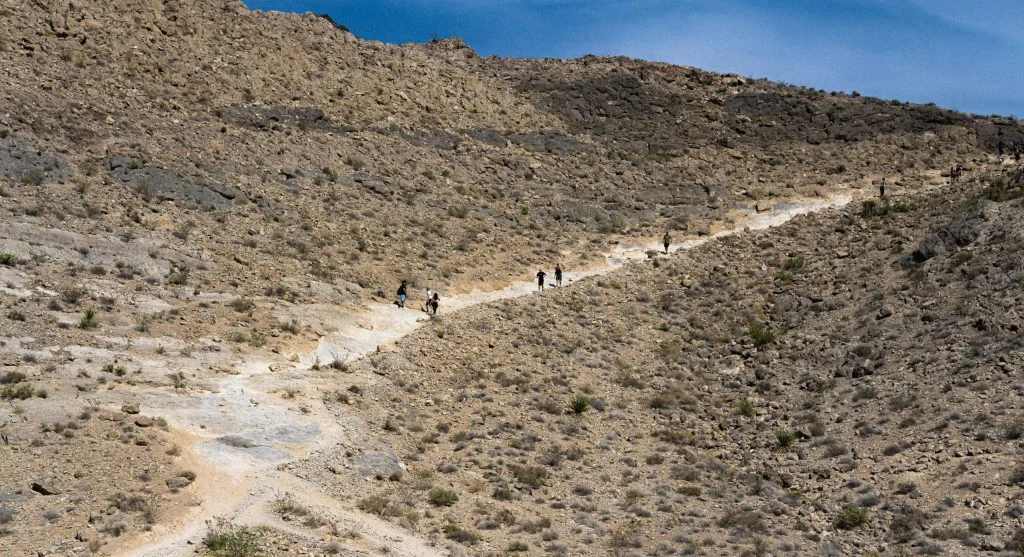
Outdoor guides often explain that this is why dry heat matters most on exposed trails, ridge routes, desert paths, and wide open ground where cooling breaks are limited. The body never gets the small resets that shaded sections often provide.
Why Pace Mistakes Happen More Easily in Dry Warmth
Because dry conditions can feel comfortable at the start, hikers may begin too fast or keep moving too briskly for too long. The body may seem strong enough to support that pace, but later the same route starts feeling much harder than expected. In many cases, the weather did not suddenly worsen. The pace simply stopped matching the true cost of the conditions.
Outdoor instructors often explain that this pattern is common on warm mornings and late spring or early fall days, when the weather seems gentle enough to trust too quickly. Dry heat can make a hike feel harder precisely because it encourages more confidence than it should.
How Dry Heat Changes the Feel of the Return
The second half of a hike often reveals what dry conditions were doing all along. Return trails may feel longer, climbs may feel sharper, and exposed sections may become mentally heavier than they looked earlier. Once the body has already spent time in dry sun, the remaining miles often become more noticeable than they would on a cooler or more sheltered day.
Outdoor educators often explain that the return is where many hikers finally realize the weather mattered more than they first thought. By then, the trail is no longer asking only for movement. It is asking for movement from a body that has already been carrying quiet heat strain.
How Hikers Can Manage Dry Heat More Realistically
Most helpful adjustments are simple. Hikers often do better when they treat dry warmth with the same respect they would give more obviously uncomfortable conditions. A calmer early pace, steadier water use, and more attention to exposed sections usually improve the route right away.
Outdoor coaches often recommend watching for the first subtle signs instead of waiting for bigger discomfort. If the trail feels a little less smooth, the body a little less patient, or the pace a little harder to hold, those are often useful signs that the weather deserves more respect than the number alone suggested.
Why Understanding Dry Heat Changes Trail Planning
Once hikers understand how dry conditions work, route planning often becomes much more accurate. The focus shifts from only checking the forecast to also asking about exposure, shade timing, water access, and how long the body will stay in direct sun. That fuller picture often explains why one moderate-temperature day can still produce a much harder hike than expected.
Outdoor educators often explain that weather is not just about how warm the air feels at the start. It is about how the environment and the body interact over the full route. In dry conditions, that interaction is often much stronger than hikers first assume.
Frequently Asked Questions
Q: Why can dry heat make hiking feel harder than the forecast suggests?
A: Because dry conditions can hide rising strain. Sun exposure, quiet water loss, and steady effort may build before the hiker feels obvious discomfort.
Q: Is dry heat easier than humid heat for hiking?
A: It can feel more comfortable at first, but it is not automatically easier. On exposed trails, dry heat can still become very tiring over time.
Q: What makes dry trails especially tiring?
A: Open sun, reflected warmth from ground or rock, limited shade, and underestimating water needs often make dry trails feel harder than expected.
Q: How can hikers manage dry heat better?
A: Many hikers do better with slower early pacing, earlier water use, and more respect for exposure even when the air itself feels mild or comfortable.