
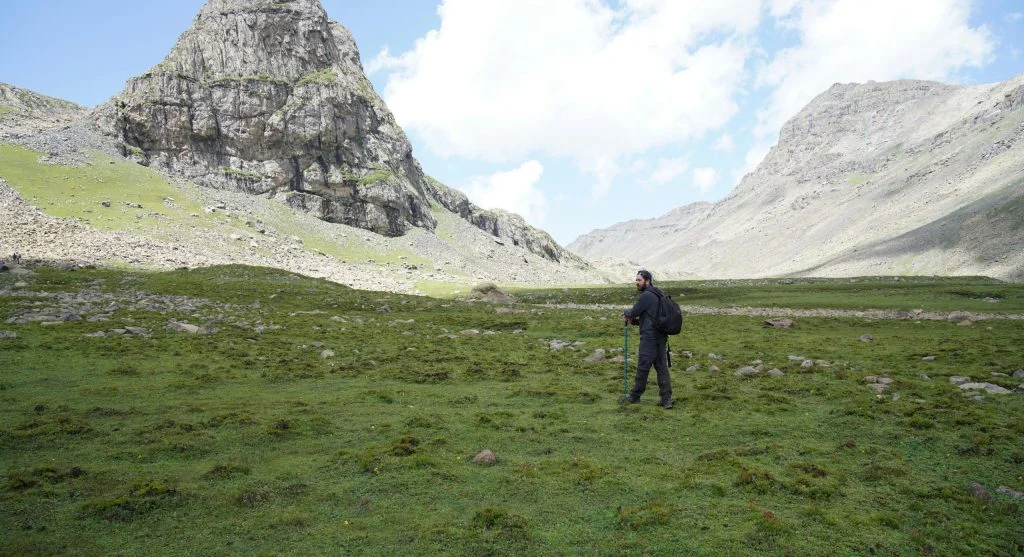
Outdoor educators often explain that hiking comfort is not only about how fast people move. It is also about how steadily they can keep moving over time. Fitness specialists also note that longer trails often feel hardest when hikers try to avoid all pauses and then lose rhythm later anyway. This is why short recovery pauses often help hikers keep a steadier pace instead of hurting it.
Why short recovery pauses often help more than hikers expect
One reason short recovery pauses work so well is that they cost very little while often protecting much more. A hiker may stop for less than a minute, let breathing settle, adjust posture, or take a few sips of water. That small reset can make the next section feel smoother than it would have felt if the body had just kept pushing forward without a break.
Outdoor instructors often explain that many hikers compare a short pause only with the seconds it takes. A better comparison is with the slower, heavier walking that often follows when no pause happens at the right time. In that way, the pause is often a way to protect pace rather than to interrupt it.
How steadier hiking pace depends on timing, not just speed
A steadier hiking pace usually comes from good timing, not from constant motion at all costs. On longer trails, the body rarely moves best when it is pushed without relief from start to finish. Small controlled pauses often help prevent the bigger pace drops that show up once fatigue has already built too far.
Fitness specialists often note that this is especially true on trails with changing effort. A short climb, rough section, or warm exposed stretch may not require a long rest, but it may still justify a brief reset before the route keeps asking for more.
Why longer trail comfort often depends on smaller breaks
Longer trail comfort often depends on preventing strain from building quietly. A hiker may still feel fine enough to continue, yet also begin moving with shorter stride, tighter shoulders, or less smooth breathing. Short recovery pauses can interrupt that pattern before it becomes the new normal for the rest of the hike.
Movement educators often explain that comfort usually fades gradually, not suddenly. This is why tiny well-timed pauses often help so much. They support the body while the problem is still small instead of waiting until the trail already feels much harder.
How brief pauses protect walking rhythm
Walking rhythm is easy to lose and sometimes hard to regain. Once the body starts moving with heavier steps or more uneven breathing, the trail can feel slower even without a full stop. Short recovery pauses often help because they let hikers restart from a more controlled pattern instead of carrying a broken rhythm into the next mile.
Outdoor coaches often explain that a short pause is not the same as giving up momentum. In many cases, it is the best way to save momentum by keeping the body from drifting into a less efficient pattern that would last much longer than the pause itself.
Why short pauses work better than late long breaks
Many hikers wait until they feel clearly tired before resting. By then, the body often needs more than a quick reset. A longer stop may become necessary because the early support window was missed. Short recovery pauses usually work best when they happen before the trail feels truly difficult rather than after the hike already feels heavy.
Outdoor health educators often note that prevention usually works better than correction on longer trails. A few brief pauses spaced well often protect the day better than one larger stop taken only after energy and comfort have already dropped.
How terrain changes make short pauses more useful
Not every trail section needs the same response. Brief pauses often help most after the route has asked for a little extra effort. A short climb, rough footing, loose descent, or hot exposed section can all leave a hiker slightly less smooth than before. That is often the moment when a short recovery pause can restore steadier movement.
Outdoor instructors often explain that these pauses work because they match the trail’s demands instead of ignoring them. The body gets a small chance to settle right after a section that changed how it was moving.
Why some hikers avoid pausing even when it would help
Many hikers avoid pausing because they worry it will make the hike feel slower or because they want to keep the route feeling continuous. Others simply do not want to admit they are working harder than expected. On longer trails, this often leads to a quieter problem: the pace stays technically unbroken but becomes steadily worse.
Outdoor coaches often explain that hikers sometimes confuse continuous motion with efficient motion. The body usually cares less about whether it stopped and more about how well it is moving overall. If a short pause helps movement recover, it often supports efficiency rather than harming it.
How to tell when a short recovery pause may help
Several clues often suggest that a brief reset would be useful. Breathing may feel a little less smooth, stride may shorten without intention, or small trail sections may begin feeling more annoying than they should. A hiker may also notice that posture is tightening or that the trail is beginning to feel heavier without a clear reason.
Outdoor educators often recommend paying attention to these quieter signs instead of waiting for stronger fatigue. If the body is already hinting that rhythm is slipping, a short recovery pause is often enough to keep the rest of the hike steadier.
Why the best pause is usually simple and brief
The most effective recovery pauses are often very small. A brief stop at the trail edge, a few deep breaths, a drink of water, a snack bite, or one quick pack adjustment may be enough. The goal is not to turn every pause into a long break. The goal is to let the body restart under better conditions than the ones it was drifting into.
Fitness specialists often explain that the value comes from timing and simplicity. When the pause stays short and purposeful, it often improves the next section without making the hike feel broken or slow.
How short recovery pauses can make the whole hike feel easier
Longer hikes often feel best when effort stays even enough that the second half still feels manageable. Short recovery pauses support that by reducing the chance of one early strain growing into a full-route slowdown. The miles may not disappear, but the day often feels far smoother from beginning to end.
Outdoor instructors often explain that the strongest pace is often the one hikers can keep comfortably, not the one they force without interruption. In many cases, a few brief pauses at the right moments are exactly what make that kind of steady pace possible.
Frequently Asked Questions
Q: Do short recovery pauses make a hike take longer?
A: Not always. On longer trails, they often help prevent larger slowdowns later, which can make the full pace feel steadier overall.
Q: When is the best time for a short recovery pause?
A: They often help most after a short climb, rough section, exposed stretch, or anytime rhythm and breathing begin feeling less smooth than before.
Q: How long should a recovery pause be?
A: Many useful pauses are brief, often less than a minute or two. The goal is a quick reset, not a full extended break.
Q: What should hikers do during a short pause?
A: Common helpful actions include letting breathing settle, drinking water, taking a small snack, adjusting posture or gear, and restarting with calmer movement.
Key Takeaway
Short recovery pauses often help hikers keep a steadier pace because they protect rhythm before fatigue turns into a larger slowdown. On longer trails, a brief well-timed reset usually supports comfort and efficiency better than forcing nonstop movement. In many cases, the shortest pauses are the ones that save the most energy later.