
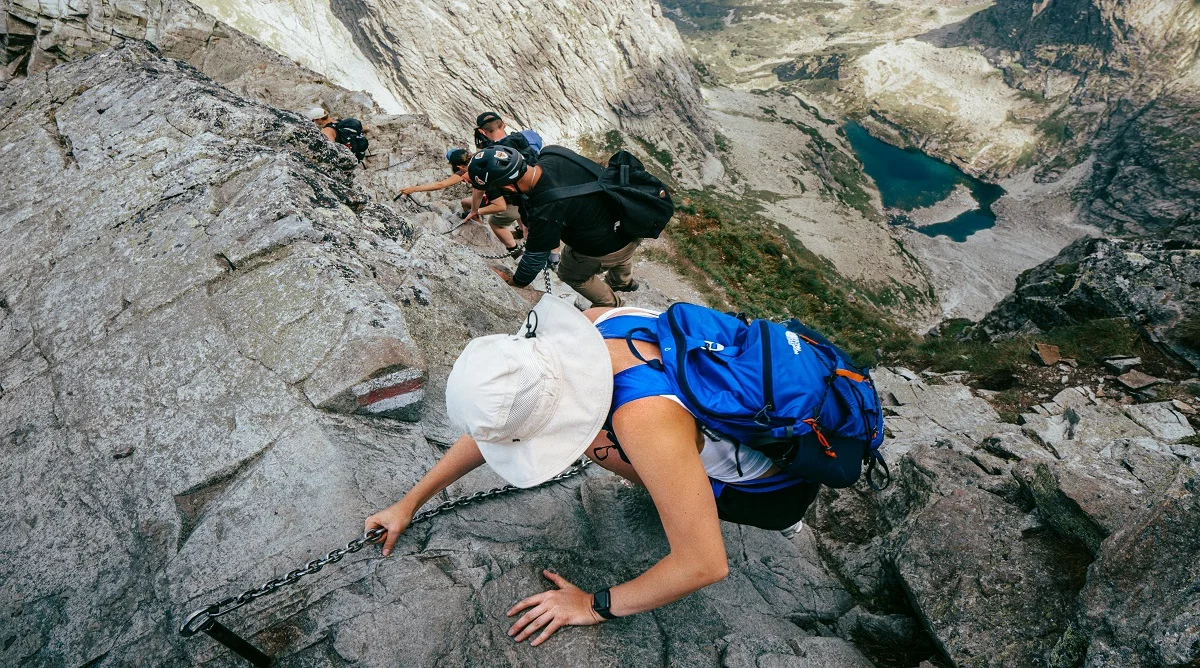
Several short climbs can make a hike feel harder than one long ascent, even when the total elevation gain looks similar. Many hikers expect a single long climb to be the main challenge, then feel surprised when a rolling route turns out to be more tiring. The difference usually comes from how repeated effort affects pace, recovery, and attention over the course of the hike.
Outdoor educators often explain that difficulty depends not just on how much climbing a trail has, but on how that climbing is spread out. Fitness specialists also note that rolling terrain can feel deceptively demanding because the body rarely settles into one steady rhythm for long.
Why several short climbs disrupt trail rhythm
One reason rolling climbs feel harder is that each rise interrupts the rhythm the body just found. A hiker may settle into a comfortable pace on flat or downhill ground, only to shift back into uphill effort moments later. This constant switching makes the hike feel less smooth than a steady ascent.
Outdoor movement educators often point out that rhythm helps the body manage energy. On a long, continuous climb, hikers can find a consistent pace and breathing pattern. On a trail with repeated short climbs, that rhythm keeps resetting, which can make effort feel more scattered and tiring.
How rolling terrain changes energy use
Rolling terrain may look moderate because no single climb stands out, but the repeated effort adds up. Instead of one sustained challenge followed by recovery, the body goes through multiple smaller efforts that gradually build fatigue.
Fitness specialists often explain that this pattern is easy to underestimate. Nothing feels especially difficult at first, but by the second half of the hike, the legs can feel heavier than expected. That slow buildup is why rolling routes often feel harder than they appear on a map.
Why several short climbs can make pacing harder
Short climbs can also make pacing more difficult because they often look manageable. Hikers may push a little too hard on each rise, assuming it’s quick and easy. On a long climb, people are more likely to pace themselves carefully because the effort is obvious. On shorter climbs, that restraint is easier to lose.
Outdoor guides often note that these repeated bursts of effort are what make rolling terrain tiring. The trail may offer brief flat sections that seem like recovery, but they may not be enough for the body to fully reset before the next climb begins.
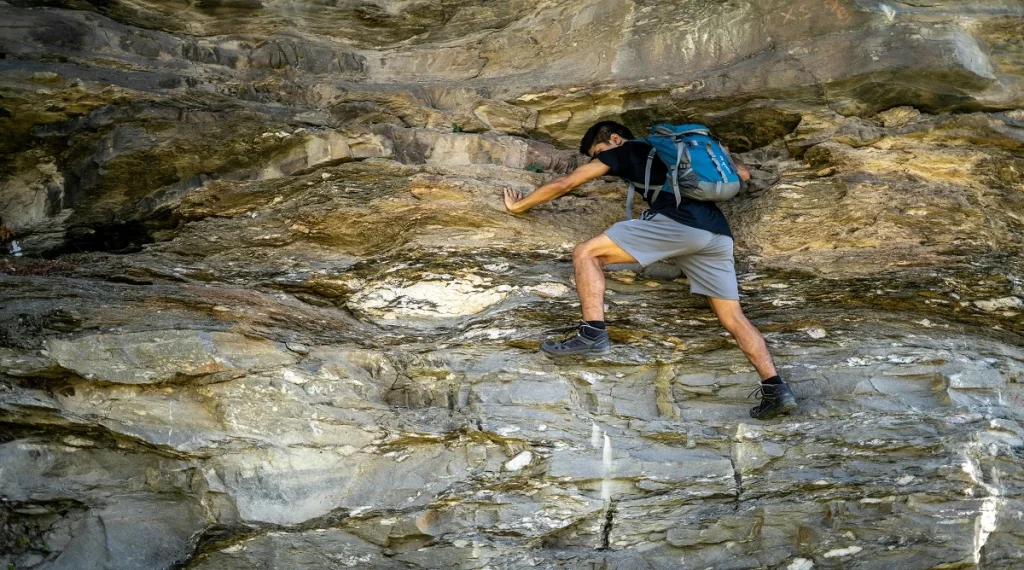
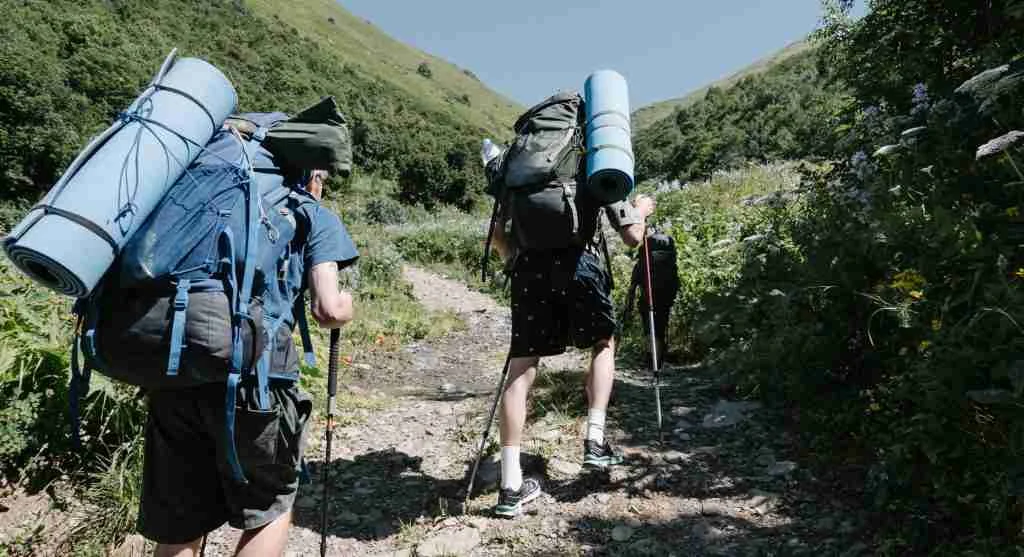
Credit: Yogendra Singh / Pexels
How partial recovery can create hidden fatigue
Short flat or downhill sections between climbs often feel like recovery, but they may not be long enough for breathing and muscles to fully reset. This creates a kind of hidden fatigue. The hiker feels briefly better, then starts the next climb before the body has actually recovered.
Outdoor coaches often explain that this is different from a single long ascent followed by a clear easing of effort. On rolling terrain, recovery is incomplete and repeated. Over time, that pattern makes the later part of the hike feel more tiring than expected.
Why hiking route difficulty is not only about total elevation
Maps usually show total elevation gain, but they don’t always show how effort is distributed. Two routes with the same total climb can feel very different if one is steady and the other is broken into many short rises.
Trail planners often suggest looking at the shape of the elevation profile, not just the number. A route with repeated bumps often feels more restless and harder to pace than a smoother, continuous climb.
How mental effort changes on trails with many rises
Rolling terrain also affects the mind. A long climb is mentally clear you know what you’re dealing with. But repeated short climbs can feel frustrating because each crest looks like it might be the last, only for another to appear.
Outdoor psychologists often note that these “false endings” change how the hike feels. Even if the body is still moving well, the mind may start to treat each new rise as an interruption, which makes the trail feel longer and more tiring.
Why descents between climbs do not always make things easier
It’s easy to assume that downhill sections provide relief, but they often come with their own demands. Controlling balance and speed especially on uneven or rocky ground can add strain to the legs.
Movement specialists often explain that this becomes more noticeable later in the hike. By then, both climbing effort and downhill control have already added fatigue, so each new rise feels harder than it would have earlier.
How hikers can plan better for routes with repeated climbs
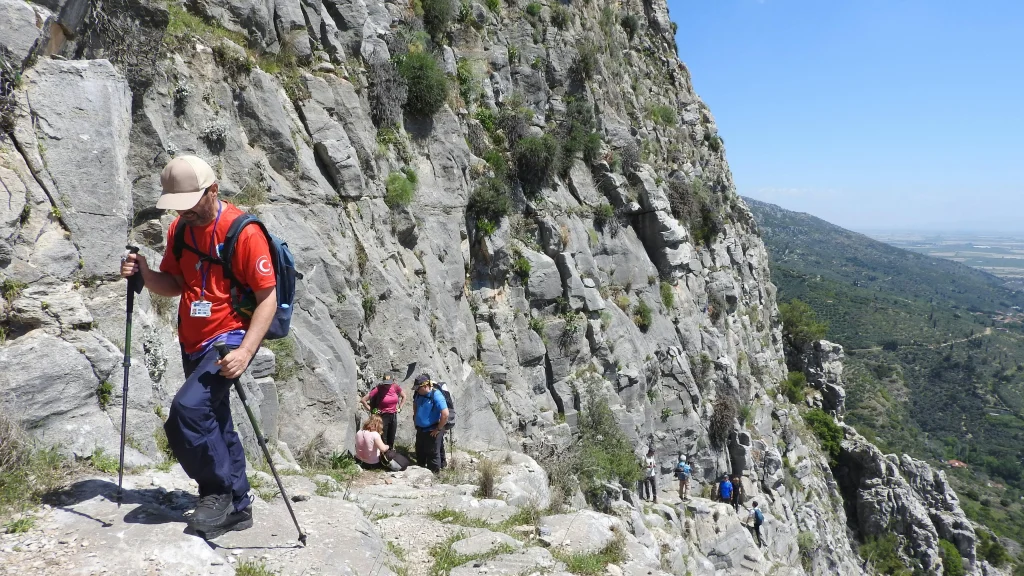
Rolling terrain usually feels easier when hikers expect the repeated effort instead of dismissing it. A steady pace on each climb, regular hydration, and consistent effort across the route often help more than treating each hill differently.
Outdoor educators often recommend reviewing the elevation profile beforehand and thinking of the hike as one repeating pattern rather than many small, separate climbs. That mindset helps conserve energy early and keeps the overall effort more controlled from start to finish.
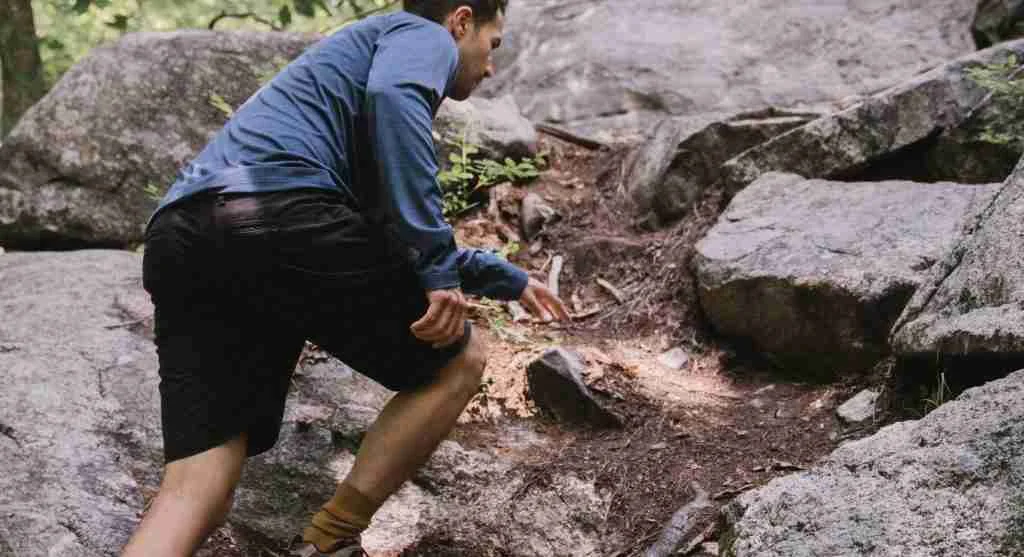
Credit: Mahmut yılmaz / Pexels
Frequently Asked Questions
Q: Why can several short climbs feel harder than one long climb?
A: Several short climbs often interrupt pace and create repeated effort without full recovery between sections. That pattern can build fatigue more quietly than one steady ascent.
Q: Are rolling terrain hikes harder than they look?
A: Often yes. Rolling terrain hikes may seem moderate because no single climb looks major, but repeated ups and downs can make the full route feel more tiring than expected.
Q: Does total elevation gain still matter?
A: Yes, but the shape of the climbing matters too. Hiking route difficulty often changes depending on whether the elevation is one steady climb or many short repeated efforts.
Q: How should hikers pace trails with repeated climbs?
A: Many hikers do better with a steady, calm pace on every rise rather than pushing harder because each climb seems short. That usually protects energy for the later part of the route.
Key Takeaway
Several short climbs can make a hike feel harder because the repeated effort keeps interrupting rhythm, pacing, and recovery in ways many hikers don’t expect. Rolling terrain often creates hidden fatigue, with many small rises adding up instead of one clear, manageable challenge.
Hikers usually do better when they look at the overall pattern of the route rather than focusing only on total elevation gain. Understanding how the climbs are spread out makes it easier to pace consistently and manage energy across the entire hike.
[INTERNAL LINKING SUGGESTIONS]
- Why Trail Distance Alone Does Not Tell Hikers How Hard a Route Feels
- How to Pace Yourself on a Hike to Avoid Early Fatigue
- Why Hikers Feel More Tired After Descents Than They Expected