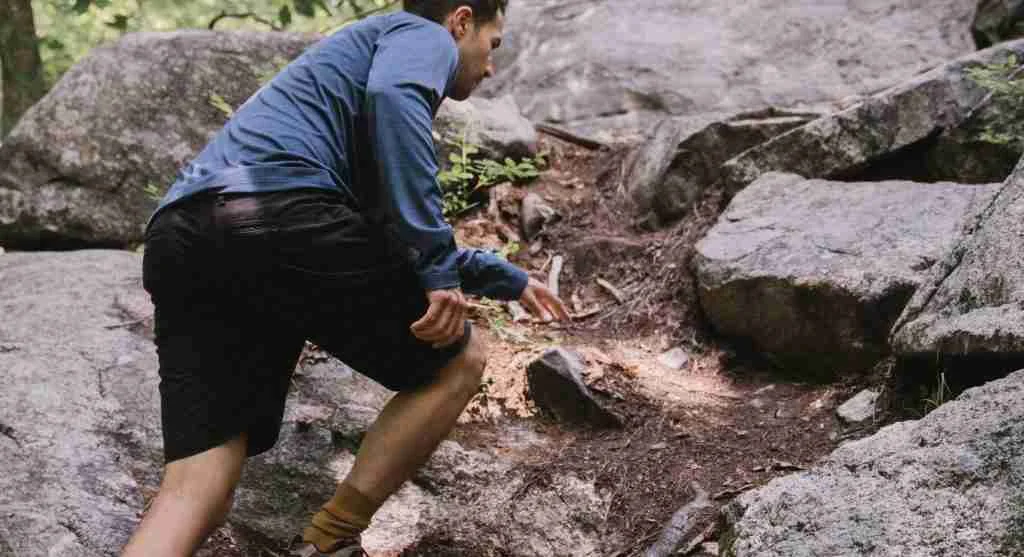

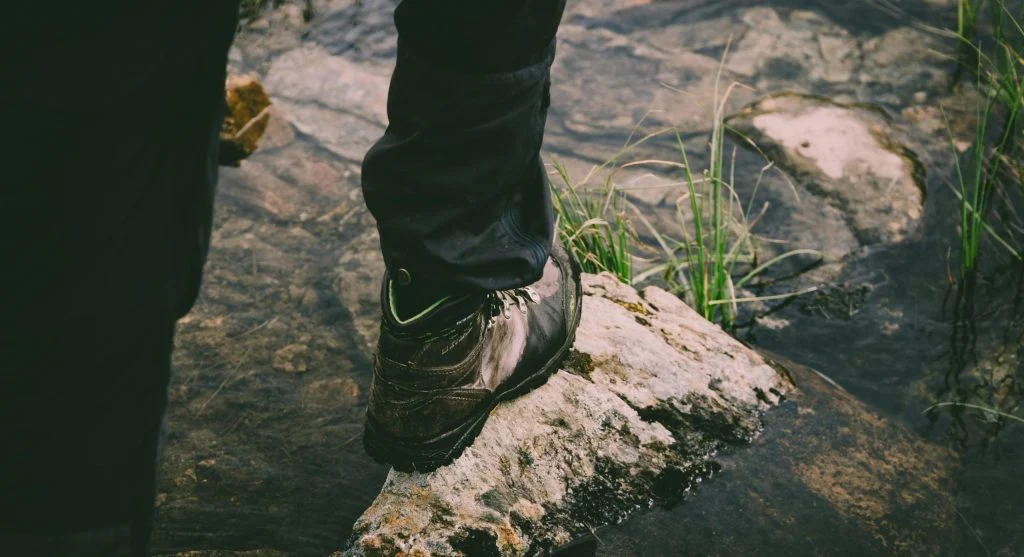
Many hikers think of rock as the tricky surface and dirt as the easy one. That is often true in a broad sense, but the change between the two can still create awkward moments. Stepping from rock back onto dirt trails often feels simple enough that hikers keep the same pace and body position without thinking much about it. That is exactly why small slips and awkward landings can happen there.
Outdoor safety educators often explain that surface changes matter not only because of what the next material is, but because the body is still moving as if the previous surface is underfoot. Movement specialists also note that quick transitions often create brief mismatches in traction and balance. This is why a short pause before stepping from rock back onto dirt trails often helps more than hikers first expect.
Why stepping from rock back onto dirt trails can feel surprisingly awkward
One reason this transition feels awkward is that rock and dirt usually give the body very different feedback. Rock often feels solid, direct, and easy to read once the hiker trusts it. Dirt may feel softer, looser, dustier, or less predictable depending on the trail condition. When the foot leaves one and meets the other without adjustment, the body may briefly overtrust the next landing.
Outdoor instructors often explain that hikers usually think only about obvious danger, not about quick change. The dirt may not be bad at all. The issue is that the body is still using the timing, pressure, and confidence that fit the rock a moment earlier.
How hiking traction changes affect the next step
Hiking traction changes often feel small but matter immediately. Rock can support a direct push-off with little give, while dirt may compress slightly, slide a bit, or hold loose material on top. If hikers step from rock back onto dirt trails at the same rhythm they used on stone, the first dirt step may feel less secure than expected.
Trail safety specialists often note that the awkward moment usually happens not because the dirt is especially dangerous, but because it is less exact than the rock. That difference is enough to interrupt smooth movement if the hiker arrives too quickly.
Why the body often keeps the “rock rhythm” too long
When hikers move across rock successfully, the body often settles into a certain walking pattern. Steps may become confident and direct because the surface feels clear underfoot. As soon as the trail returns to dirt, that same pattern may stay in place for a moment longer than it should. This is often when the transition feels less stable.
Movement educators often explain that rhythm tends to continue until something forces it to change. A short deliberate pause helps hikers change it on purpose instead of waiting for the surface to correct them through a slip or awkward landing.
How loose dirt beside rock makes the change harder
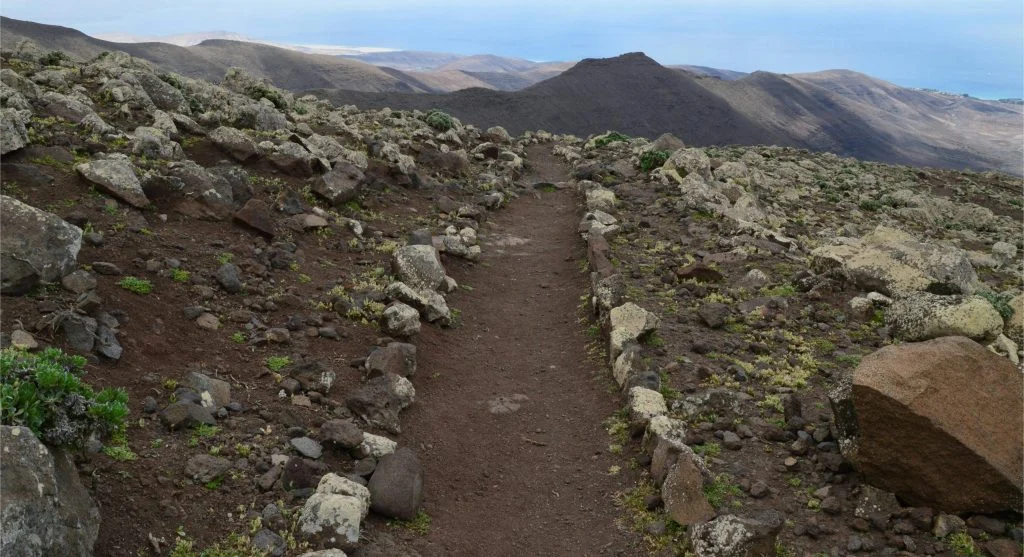
Many rocky sections do not end with firm packed soil. They often lead into dusty tread, shallow gravel, or worn dirt that has less grip than the stone behind it. This makes stepping from rock back onto dirt trails more important to notice, because the hiker is not moving from one stable surface to another equally stable one. The body is often stepping into a softer and slightly less certain landing zone.
Outdoor guides often explain that this is why the edge of the rock matters. The trail may be easy again in a few more steps, but the first step off the rock often deserves the most attention.
Why descents make this transition more important
On flat ground, a small mismatch may feel manageable. On descents, the same mismatch often matters much more. The body is already braking and controlling momentum, so any reduction in traction becomes more noticeable. Stepping from rock back onto dirt trails on a downhill section often feels unstable when hikers try to keep the same speed they had a second earlier.
Outdoor safety educators often explain that downhill transitions reduce the margin for late correction. A brief pause or smaller step usually protects balance far better than trying to flow through the change without adjustment.
How wet or dusty conditions change the transition further
Weather can make this shift even more noticeable. A bit of dust over dirt may reduce grip after a clean rock section. Light moisture can make the first dirt patch feel soft or slick. Even when neither condition looks dramatic, the contrast with the rock behind it can still surprise the body.
Weather educators often note that hikers often judge the next surface by appearance alone. The safer habit is to assume that any quick change in material may change traction too, even if the next tread looks ordinary from above.
Why a short pause helps more than a big slowdown later
A brief pause does not need to be dramatic. Often it is only a small reset in attention, posture, and timing. That tiny pause helps the hiker notice the landing, reduce step force, and let the body switch from one surface pattern to the next. This usually works better than waiting until after the first dirt step feels unstable and then making a larger correction.
Outdoor coaches often explain that early adjustment is usually cheaper than recovery. One calm half-second of awareness often prevents several more awkward steps that would otherwise follow.
How hikers can move through the transition more smoothly
Most helpful changes are simple. Slow slightly at the edge of the rock, place the first dirt step more deliberately, and allow one or two smaller steps before returning to normal pace. Hikers often do better when they think of the dirt as a new surface instead of as the easy default that needs no attention.
Movement specialists often note that this does not mean treating every transition as dangerous. It simply means respecting the first step enough that the body can re-center before momentum builds again.
Why this habit improves trail footing awareness overall
Hikers who notice small surface transitions usually become better at reading the whole trail. They begin paying attention not only to obvious hazards, but also to how materials change underfoot. That wider awareness often improves balance, pacing, and confidence across many kinds of routes.
Outdoor educators often explain that strong trail footing awareness usually comes from small habits repeated often. Pausing briefly before stepping from rock back onto dirt trails is one of those habits. It looks minor, yet it often improves the next section of movement right away.
Frequently Asked Questions
Q: Why does stepping off rock onto dirt feel awkward sometimes?
A: Rock and dirt often give different traction and support. The body may still be moving with “rock rhythm” when the first dirt step needs a softer, more controlled landing.
Q: Does this matter only on steep trails?
A: No. It matters most on descents, but even flatter trails can feel awkward when the first dirt step is loose, dusty, or softer than expected.
Q: How long should hikers pause at the transition?
A: Usually only briefly. The goal is just to reset attention and make the first step onto dirt more deliberate before returning to normal pace.
Q: What helps most during this kind of surface change?
A: Many hikers do better by slowing slightly, using one smaller step, and expecting the dirt to feel different even if it looks simple from above.
Key Takeaway
Stepping from rock back onto dirt trails often feels trickier than hikers expect because the body is still moving for the previous surface. A brief pause helps reset traction expectations, balance, and pace before the first dirt step. In many cases, that tiny adjustment prevents the awkward landing that would otherwise change the whole next section of the trail.