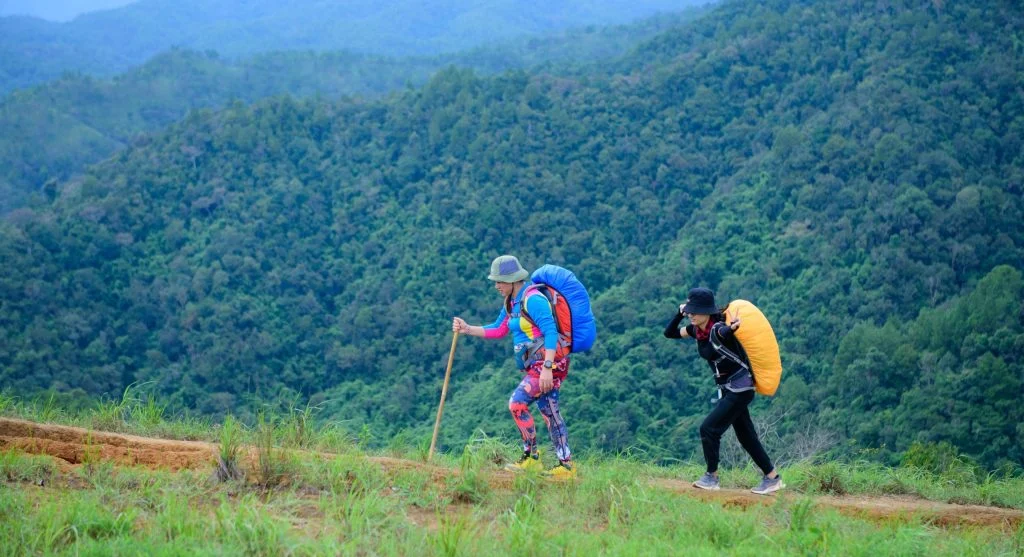

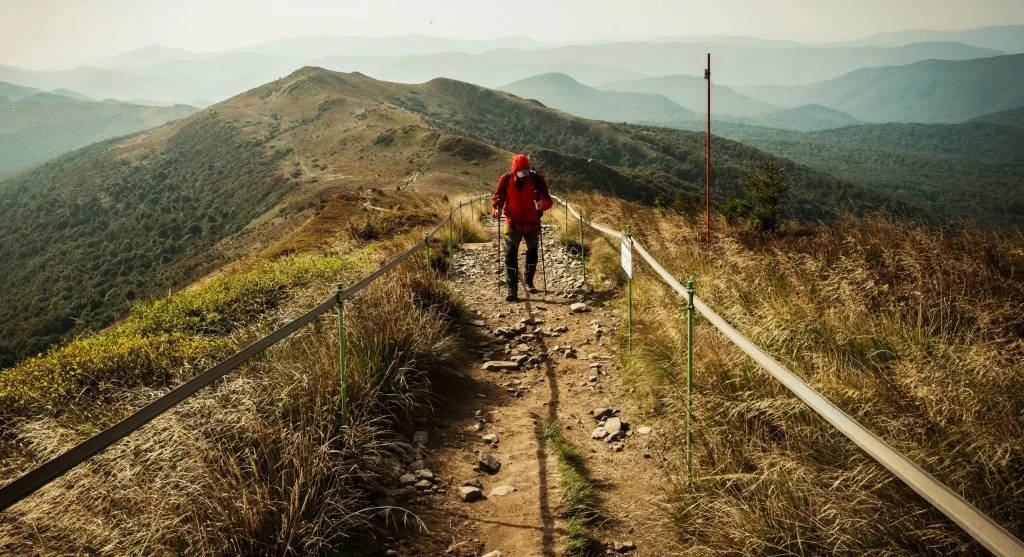
Many hikers start too fast when the trail looks easier than it is. The opening section may be smooth, shaded, or gently sloped, which creates the feeling that the full route will stay just as manageable. With fresh energy and strong motivation, early pace often feels natural. Later, that same early speed can make the hike feel much heavier than expected.
Outdoor educators often explain that hiking pace mistakes usually begin in the first stretch of the trail, not in the hardest section. Fitness specialists also note that hidden trail effort often appears only after distance, footing, heat, and repeated climbs have had time to build. This is why an easy-looking start can lead hikers into a pace that does not fit the full route.
Why do hikers start too fast when the trail looks easier than it is
One reason hikers start too fast is that early trail signals can be misleading. A wide path, cool air, and smooth footing make the route seem simple, even if tougher sections are still ahead. At the beginning of the hike, the body also feels rested and willing, which makes a faster pace feel easier to maintain than it really is.
Outdoor instructors often explain that hikers usually trust the first pattern they experience. If the first ten minutes feel easy, the mind assumes the next hour will feel similar. That expectation often creates a pace that fits the opening section much better than it fits the rest of the trail.
How fresh energy hides hiking pace mistakes
Fresh energy can cover a lot in the first part of a hike. Breathing feels controlled, legs feel light, and the trail may still seem almost effortless. This often makes it harder to recognize when early trail pacing is slightly too ambitious. The body can carry that mistake for a while before the cost becomes clear.
Fitness specialists often note that this is why pace errors often feel invisible at first. Hikers do not immediately feel punished for going too quickly on easy-looking ground. The body keeps moving well enough that the choice seems correct, at least until the route begins asking for more.
Why can a simple-looking ground hide later trail effort?
A trail may begin on compact dirt or a broad flat tread and then shift into climbing, roots, rocky footing, or stronger exposure. Hikers who start too fast when the trail looks easier than it is often do so because they judge the route by what it is doing now rather than by what it will ask later. This is especially common on routes where the hardest section comes after a comfortable opening mile.
Outdoor planners often explain that the trailhead area is often one of the least useful places to predict how the full route will feel. A comfortable beginning may simply be the calm lead-in to a much more demanding middle or return section.
How early trail pacing changes the rest of the hike
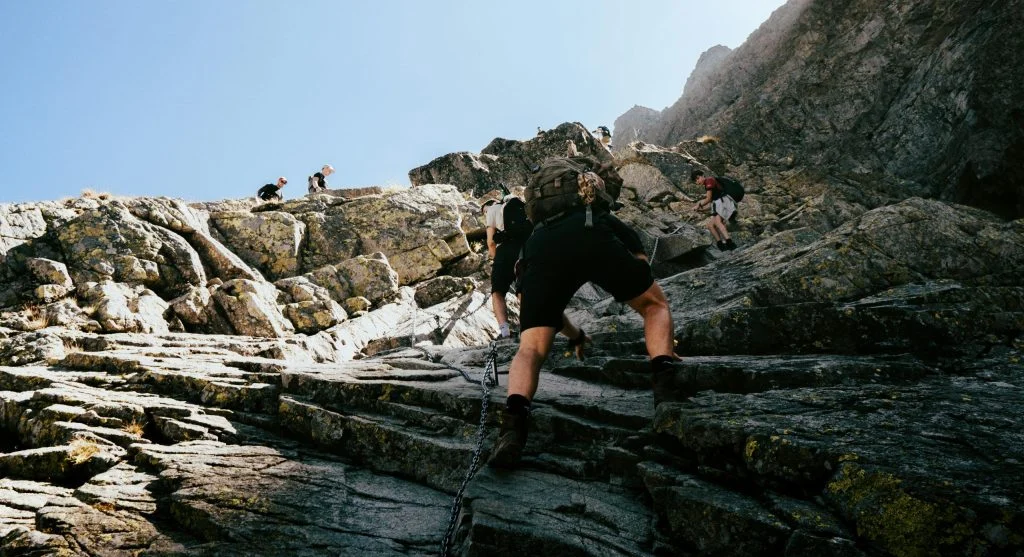
Early trail pacing matters because the body carries it into everything that comes next. A pace that is only slightly too fast can affect later climbing, later footing, and later comfort more than hikers expect. By the time the route becomes rougher or steeper, the body may already be using more energy than it should be.
Outdoor coaches often explain that this does not always show up as dramatic exhaustion. More often, it appears as smaller signs. The hiker may take more pauses, shorten their stride, or feel strangely less steady on sections that would have felt manageable with a calmer start.
Why do easy-looking starts often reduce caution
Easy-looking starts do not only affect speed. They also affect mindset. When the first section feels simple, hikers may drink less water, skip small pace checks, or delay noticing how much effort they are already spending. This can make the rest of the route harder because the whole outing begins with slightly lower awareness than the trail really deserves.
Outdoor health educators often note that this is common on mild days and moderate trails. Nothing seems urgent, so the hiker acts as though strong effort management is unnecessary. Later, the trail may reveal that it needed that attention much earlier.
How heat and exposure make the fast start feel worse later
Warmth often makes this mistake more noticeable. A trail may begin cool and shaded, which encourages a brisk pace. Later, once the sun reaches the route or the trail opens into more exposed ground, the body may begin feeling that early effort much more strongly. What felt easy in shade can feel expensive in sun.
Weather educators often explain that a fast start on cool ground often becomes a slower, heavier middle section once conditions warm. The problem is not only the weather itself. It is the fact that the earlier pace did not leave enough margin for the later change.
Why do beginners and experienced hikers both make this mistake
Beginners often make this mistake because they are still learning how much the second half of a trail can differ from the first. Experienced hikers can make it too because familiar routes or strong trail confidence may reduce caution early in the day. The easy-looking opening section affects both groups in similar ways.
Outdoor instructors often explain that the trail does not need to fool the hiker completely. It only needs to feel easy enough that a slightly faster pace seems harmless. That small shift is often enough to change how the later miles feel.
How hikers can avoid starting too fast
Most helpful changes are small. A steadier start, a little more patience in the first mile, and a willingness to let the full route reveal itself before setting the true pace often help the most. Hikers usually do better when they treat the early, easy section as a place to settle in rather than as proof that the whole hike can be handled quickly.
Outdoor coaches often recommend one simple question during the first part of the hike: Would this pace still feel comfortable after the next climb or in the next hour? That question often slows the body just enough to protect the rest of the route.
Why a calmer start often makes the whole trail feel easier
A calmer start may feel slower in the first few minutes, yet it often makes the whole trail feel smoother later. Energy stays more even, climbs feel less abrupt, and the return usually feels less punishing. Hikers who avoid starting too fast when the trail looks easier than it is often find that the hike feels more balanced from beginning to end.
Fitness specialists often explain that the strongest pace is often the pace that still works later, not the one that feels quickest early. In many cases, the easiest trail mistake to avoid is simply refusing to let the first easy section decide the entire day.
Frequently Asked Questions
Q: Why do hikers start too fast on easy-looking trails?
A: Smooth ground, fresh energy, and early comfort often make the route seem simpler than it really is. That can lead to a pace that fits the first section better than the whole hike.
Q: Is starting fast always a mistake?
A: Not always, but it often becomes a problem when later sections include climbing, rough footing, exposure, or a long return that the early pace did not leave enough energy for.
Q: What is the first sign that the early pace was too fast?
A: Common signs include a loss of rhythm, shorter stride, heavier effort on moderate terrain, or the feeling that the trail became hard sooner than expected.
Q: What helps most in the first mile of a hike?
A: Many hikers do better by settling into a calmer pace, checking comfort early, and waiting for the full route to reveal itself before deciding what pace truly fits the day.
Key Takeaway
Hikers often start too fast when the trail looks easier than it is because the first section hides the effort the full route will require. Early trail pacing is often the quiet mistake that shapes later comfort, energy, and return pace. A calmer beginning usually makes the whole hike feel easier than a quick start ever does.