
Many hikers think good hydration mainly depends on how much water they carry. Amount does matter, but access often matters just as much. A bottle or reservoir that is awkward to reach may lead hikers to drink less often than they should, even when plenty of water is still in the pack.
Outdoor health educators often explain that hiking hydration habits are shaped by convenience as much as by planning. Gear specialists also note that hikers usually use gear more consistently when it is simple to reach at the right moment. This is why easy-to-reach water often matters more than carrying more water on a hike if that extra water stays inconvenient to use.
Why easy-to-reach water changes hydration more than hikers expect
One reason easy-to-reach water matters so much is that drinking on the trail usually happens in small moments. A hiker notices a dry mouth, a warming trail, or a natural pause in pace and decides whether to drink now or later. If the water is hard to access, later often wins. Once that pattern repeats a few times, hydration begins falling behind what the trail actually needs.
Outdoor instructors often explain that people usually act on the easiest available option. When water can be reached quickly, it gets used more regularly. When it requires taking the pack off, opening multiple sections, or stopping longer than feels convenient, it often gets delayed.
How hiking hydration habits depend on access
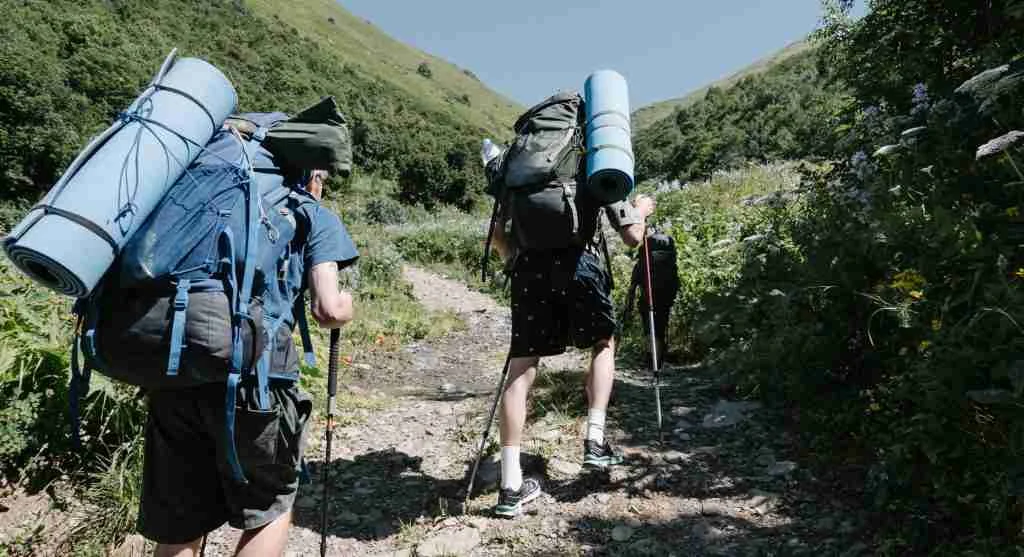
Hiking hydration habits often improve when the process feels simple. A bottle in a side pocket or a drinking hose that can be used while walking usually encourages smaller and more regular drinking. Water buried deep in a pack often encourages less frequent use, even if the total amount carried is larger.
Health specialists often note that hydration often works best as a repeated habit rather than as one late correction. Small steady drinking often supports comfort better than waiting until thirst becomes more obvious and then trying to catch up all at once.
Why carrying more water on hikes is not always the full answer
Carrying more water on hikes can be useful, especially on long or hot routes. Yet more water does not automatically mean better hydration. If the added water is stored in a way that feels inconvenient, the hiker may still drink too little during the most important parts of the trail. In that case, quantity exists without creating the benefit it was meant to provide.
Outdoor gear educators often explain that hikers sometimes solve the wrong problem. They focus only on capacity when the real issue is access. The trail usually rewards usable water more than stored water.
How trail water access affects pacing and comfort
Trail water access often shapes how the whole route feels. A hiker who drinks steadily may keep a smoother pace, feel less dry, and notice fewer sudden comfort drops later in the day. A hiker who keeps delaying water may feel fine early on and then feel surprisingly off later without fully connecting the reason to access habits.
Fitness specialists often explain that the body rarely announces hydration problems immediately. Pace may slip, patience may drop, and warmth may feel stronger before thirst becomes the main signal. Easier access often helps because it supports better timing before those changes build too far.
Why hikers delay drinking when water is hard to reach
Most hikers do not ignore water on purpose. They delay it because the moment does not feel worth the interruption. The trail is moving well, the group is continuing, or the hiker does not want to stop just to open the bag. These choices seem small, yet together they can change the whole day.
Outdoor coaches often note that this is one reason easy-to-reach water matters more than many people expect. It removes the small barrier that keeps turning a simple helpful action into something that feels easy to postpone.
How warm weather makes access even more important
Warm conditions often increase the value of trail water access because the body may need more frequent support without wanting longer stops. On hotter trails, hikers often do best when drinking stays easy and regular instead of tied only to formal rest breaks. If water is hard to reach, warm weather can make that access problem more costly.
Outdoor health educators often explain that hikers may not always notice how much warmth is changing their needs until later in the route. Easy access helps by making earlier drinking more likely before the body feels clearly behind.
Why easy access also helps on shorter hikes
Some hikers assume that only long routes need careful water setup. Shorter hikes often benefit too. A route may still include sun, climbing, dry air, or a pace that makes water useful even over a shorter distance. Easy-to-reach water often supports better habits on short hikes because it keeps hydration simple enough to happen without debate.
Outdoor instructors often note that good habits often begin on smaller outings. When hikers get used to water being convenient and consistently used, that pattern often carries naturally into longer and more demanding routes later.
How pack setup changes whether water actually gets used
Pack setup often decides whether carried water behaves like active gear or stored weight. A water bottle placed where the hiker can reach it easily may get used many times. The same bottle placed where it requires unpacking may remain full much longer. This difference often has less to do with discipline and more to do with design.
Gear specialists often explain that the best hydration setup is usually the one a hiker will actually use consistently. Simplicity often beats perfection here. A practical easy-access system often helps more than a larger but inconvenient water plan.
Why better access usually improves the whole hike
When water is easy to reach, many other things improve quietly. Breaks may feel less urgent, pace may stay steadier, and heat may feel more manageable before it builds too far. Easy-to-reach water often helps because it supports the full rhythm of the hike, not just one isolated hydration moment.
Outdoor educators often explain that this is why strong trail systems tend to reduce friction wherever possible. The simpler it is to do the helpful thing, the more often hikers actually do it. Hydration is no exception.
Frequently Asked Questions
Q: Why is easy-to-reach water more important than extra water?
A: Because water that is easy to use is more likely to be used at the right time. Extra water helps only if hikers actually reach for it often enough during the route.
Q: Does this matter on shorter hikes too?
A: Yes. Even short hikes may include heat, sun, or climbing that makes regular hydration useful. Easy access often supports better habits on almost any trail.
Q: What is the biggest problem with hard-to-reach water?
A: Hikers often delay drinking because getting the water feels inconvenient. Those small delays can add up and affect comfort and pace later in the hike.
Q: What kind of setup usually works best?
A: The best setup is usually the one that makes water simple to reach and use consistently, such as an accessible bottle pocket or an easy drinking system.
Key Takeaway
Easy-to-reach water often matters more than carrying more water on a hike because access shapes actual hydration habits. Trail water access makes drinking more regular, which often protects pace, comfort, and heat management better than extra water stored awkwardly in the pack. In many cases, the best hydration system is simply the one hikers will actually use when the trail asks for it.