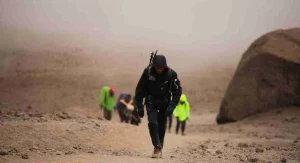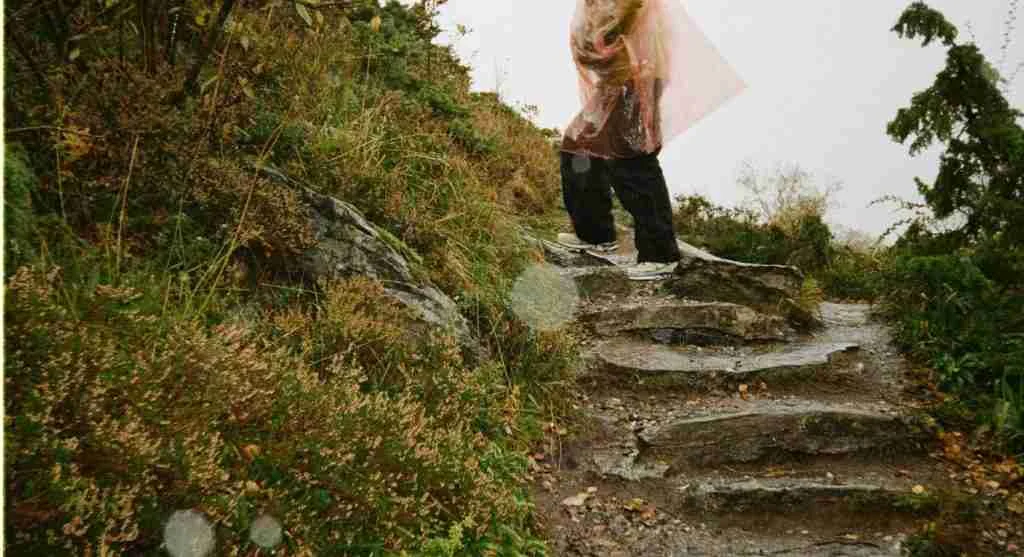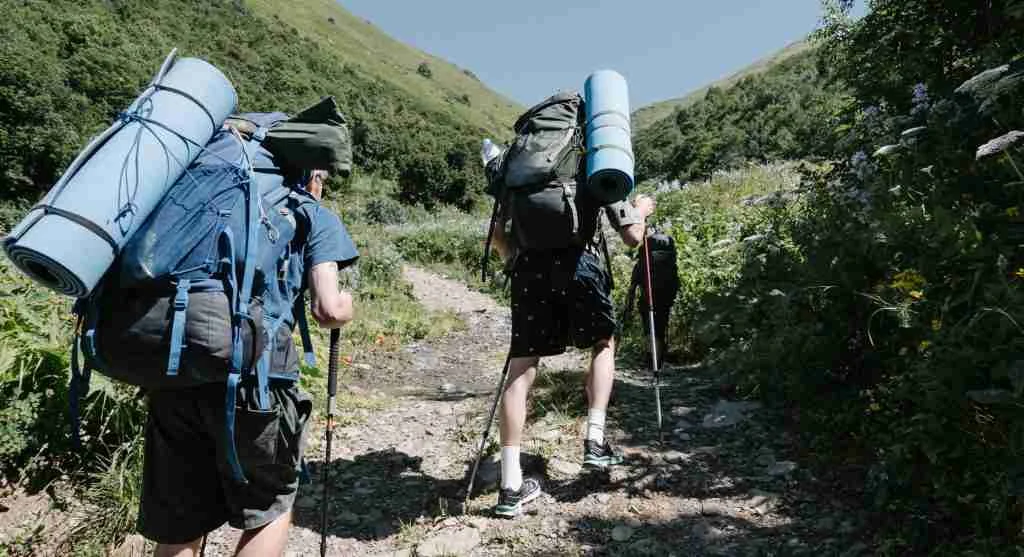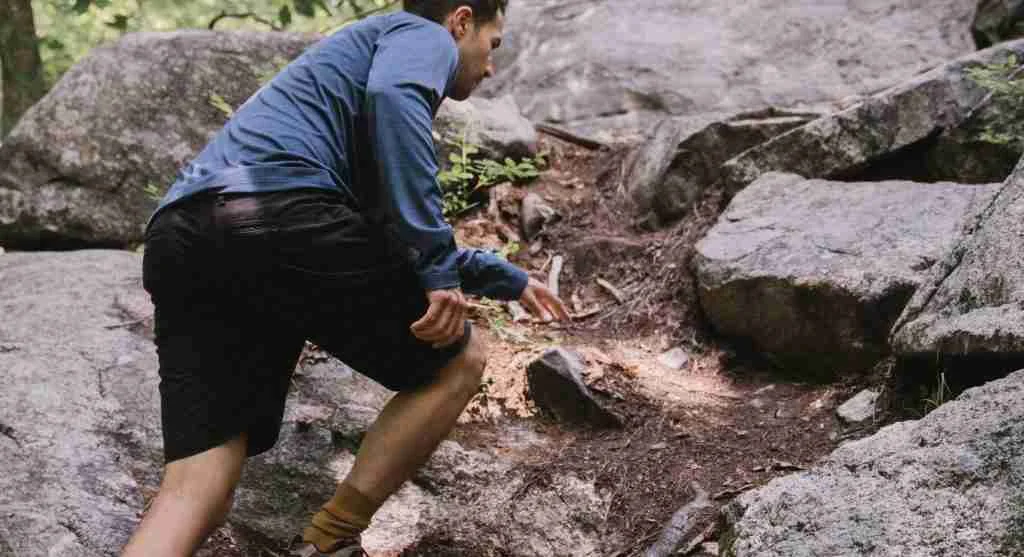

A first slip on the trail often feels too small to matter. The foot slides a little, balance returns quickly, and the hiker keeps moving without much thought. In many cases, though, that first small slip is one of the clearest warning signs the trail will give. It often shows that the surface, pace, or body position has changed enough that continuing the same way may no longer be the safest choice.
Outdoor safety educators often explain that trails rarely announce changing footing with one dramatic moment first. More often, they begin with a small signal. Movement specialists also note that hikers who respond early to that signal usually prevent bigger stumbles later. That is why slowing down after a first slip on the trail often makes more sense than waiting to see whether the next one is worse.
Why the first slip on the trail matters more than it seems
A small slip often feels easy to dismiss because it ends quickly. The hiker recovers, nothing hurts, and the route still looks manageable. Yet the importance of that moment is usually not the size of the slip. The important part is what it reveals. It often shows that the surface is behaving differently than it looked a few steps earlier.
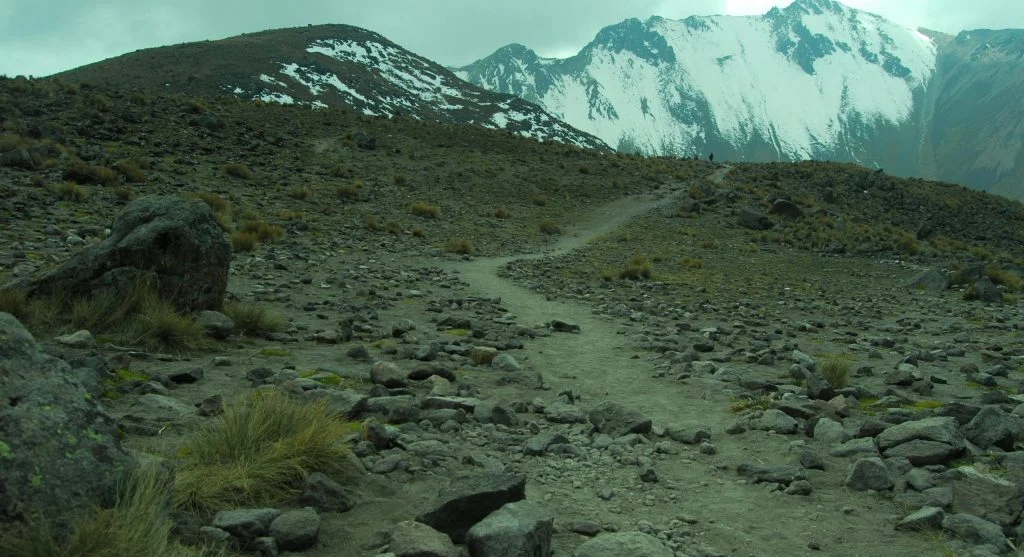
Outdoor instructors often explain that a trail rarely changes all at once. Loose gravel, damp roots, dusty tread, leaf cover, or small side slope can all reduce traction gradually. The first slip on the trail is often the moment when the body finally notices what the surface has already been becoming.
How small slips act as trail safety warning signs
Trail safety warning signs are often quiet. Hikers may expect a dangerous trail section to look clearly bad before they need to change pace. In reality, the earliest safety signal is often just one awkward landing or one small slide. That moment can show that the trail now requires more attention than the eye alone had suggested.
Trail safety specialists often note that hikers who treat small slips as useful information often stay more stable through the next section. Hikers who ignore them may keep moving with the same stride and speed until the surface forces a more serious correction.
Why hikers often keep the same pace after slipping
Many hikers continue at the same pace because slowing down after one small slip can feel like overreacting. The trail may still look ordinary, and the body may feel strong. That creates a natural urge to treat the moment as random rather than meaningful. In many cases, that decision gives the surface too much control over what happens next.
Outdoor coaches often explain that the body wants to preserve rhythm. After a slip, hikers often return quickly to the earlier walking pattern because it feels familiar. The problem is that the earlier rhythm may no longer fit the new footing conditions.
How slipping changes hiking footing control
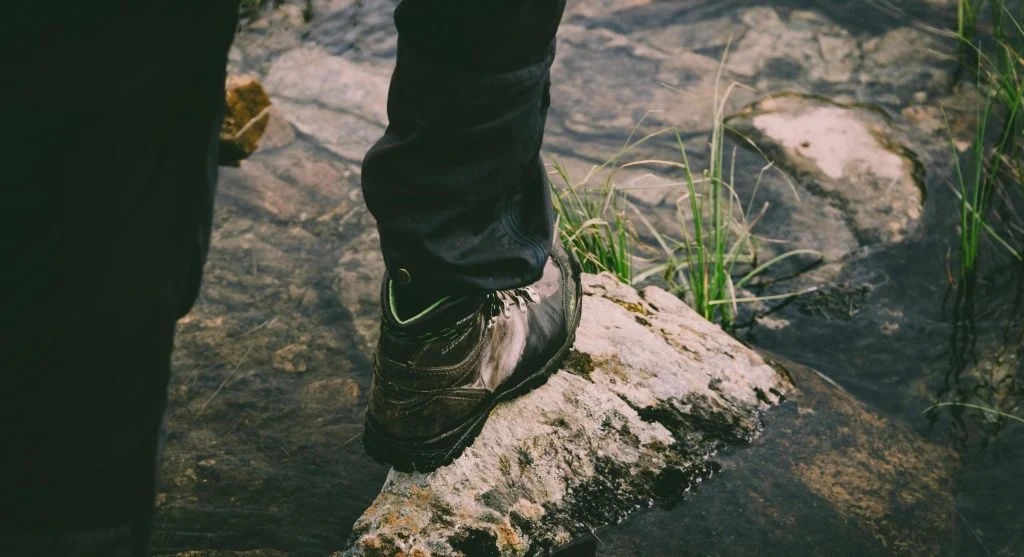
Hiking footing control depends on trust between the foot and the surface. When that trust weakens, the body often needs smaller steps, better posture, and more deliberate landings. A first slip on the trail is often the clearest sign that the old level of trust no longer works. That does not always mean the section is dangerous. It does mean the hiker should usually adjust to a more controlled way of moving.
Movement educators often explain that better control is easier to build before the surface causes repeated errors. Once the body starts sliding more than once, confidence and smooth movement often drop together, making the section feel harder than it needed to feel.
Why the next slip is often bigger than the first
The next slip often becomes larger because the hiker is now moving on a surface that has already given one warning. If pace, stride, or attention stay unchanged, the same conditions that caused the first slide often still exist. A second unstable step may happen on a descent, on a looser patch, or with slightly less balanced body position than before.
Outdoor safety specialists often explain that the goal is not to assume the worst after one small mistake. The goal is to recognize that the first slip on the trail often shows the margin for easy walking has narrowed. Small adjustments usually widen that margin again.
How descents make the first slip more important
On flatter ground, a small slide may feel manageable. On descents, the same slide often deserves much more respect. Downhill sections already ask the body to control speed and braking. If the surface is also becoming less stable, the first slip on the trail often signals that the descent now needs slower and more deliberate movement.
Trail educators often note that many bigger stumbles begin after hikers ignore one small downhill warning. A simple pace reduction and shorter stride often prevent that pattern before it develops.
Why slowing down early often saves more energy
Some hikers avoid slowing because they want to keep the trail moving and finish the section sooner. In practice, a calm early slowdown often saves more energy than repeated last-second recoveries. Slips, stumbles, and awkward balance corrections use effort too. They also raise stress and break rhythm.
Fitness specialists often explain that smoother movement is usually more efficient than faster movement on changing ground. After a first slip on the trail, the easiest way to preserve energy is often to reduce speed just enough that footing becomes predictable again.
How to respond after a first slip on the trail
The most helpful response is usually simple. Slow slightly, shorten steps, and look a few steps ahead for surface clues. Notice whether the ground has changed in moisture, dust, looseness, leaf cover, or angle. These small checks often reveal why the slip happened and what kind of movement now fits the trail better.
Outdoor instructors often recommend treating that first slip as a message rather than as a failure. If the trail gave useful information, the best response is to use it. Calm adjustment usually works better than frustration or forcing the same pace through the next section.
Why confidence often returns after the pace changes
Many hikers feel immediate improvement once they slow down just a little. The trail may still be loose or slick, but the body now has more time to respond. Landings become cleaner, balance corrections get smaller, and the section starts feeling manageable again. That often shows how important the first warning really was.
Movement coaches often explain that confidence usually returns through control, not through speed. When hikers match the trail instead of arguing with it, the route often feels safer and less tiring almost right away.
Frequently Asked Questions
Q: Does one small slip on a trail really matter?
A: Often yes. A first small slip on the trail can signal that the surface has changed and that the current pace or stride may no longer fit the footing well.
Q: Should hikers always stop after a small slip?
A: Not always stop completely, but slowing down and checking the surface usually helps. Small early adjustments often prevent bigger balance problems later.
Q: Why are first slips especially important on descents?
A: Descents already require more braking and control. A small slide on downhill ground often means the margin for stable movement has become smaller.
Q: What is the best response after a first slip?
A: Many hikers do better by slowing slightly, shortening stride, and paying closer attention to the next few landing spots. That usually improves footing control quickly.
Key Takeaway
A first slip on the trail often works as an early warning, not just as a small mistake. It usually shows that pace, surface, or balance needs have changed enough to deserve a quick response. Hikers often stay safer and feel more in control when they slow down after that first signal instead of waiting for a bigger slip to make the message stronger.