
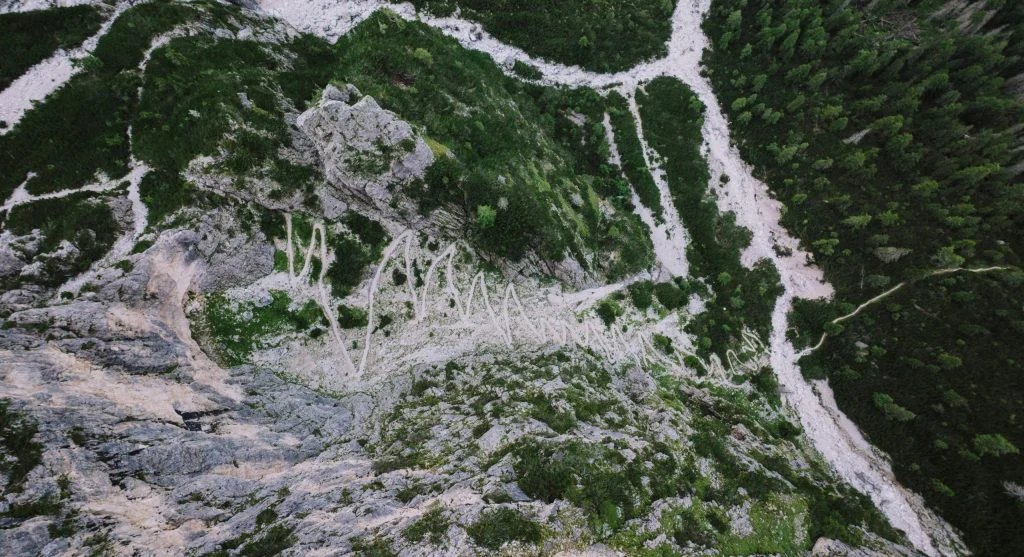
Uneven trails often feel harder than hikers expect, even when the route is not especially long. A trail may look moderate by distance and elevation, yet still leave the legs heavier than a longer, smoother route. This often happens because the body is doing more work than the map can show.
Outdoor fitness educators often explain that hiking energy loss is not only about how far people walk. It is also about how efficiently they are able to move while walking. Movement specialists likewise note that uneven trails often force the body to shorten stride, adjust balance, and correct footing again and again. Those small efforts can quietly drain energy across the full route.
Why uneven trails feel harder than their distance suggests
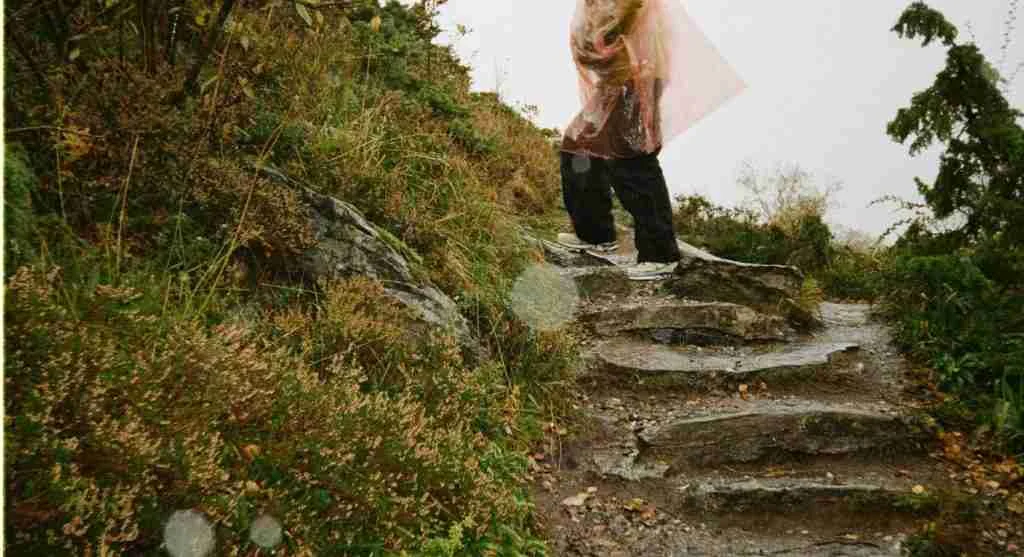
Many hikers judge effort by distance first. That makes sense because miles are easy to see on a map. Uneven trails, however, often change how much work each mile requires. A short route with roots, loose rocks, irregular steps, and shifting tread may feel much harder than a longer path with smooth, firm ground.
Outdoor instructors often explain that the body cares about repeated effort more than about map labels. When each step needs extra balance or extra caution, the full hike often feels larger than the numbers first suggested.
How rough trail effort changes walking rhythm
On smooth ground, the body usually settles into a steady pattern. Uneven trails often interrupt that pattern. One step is longer, the next is shorter, one landing is firm, the next is awkward, and the body never quite gets to repeat the same movement for long. That broken rhythm often makes a hike feel more tiring without creating one obvious moment of difficulty.
Movement educators often explain that efficiency comes from repeatable motion. Rough trail effort often rises because the body cannot stay in that repeatable pattern for long. Instead, it keeps adapting to a surface that changes every few steps.
Why shorter stride can still use more energy
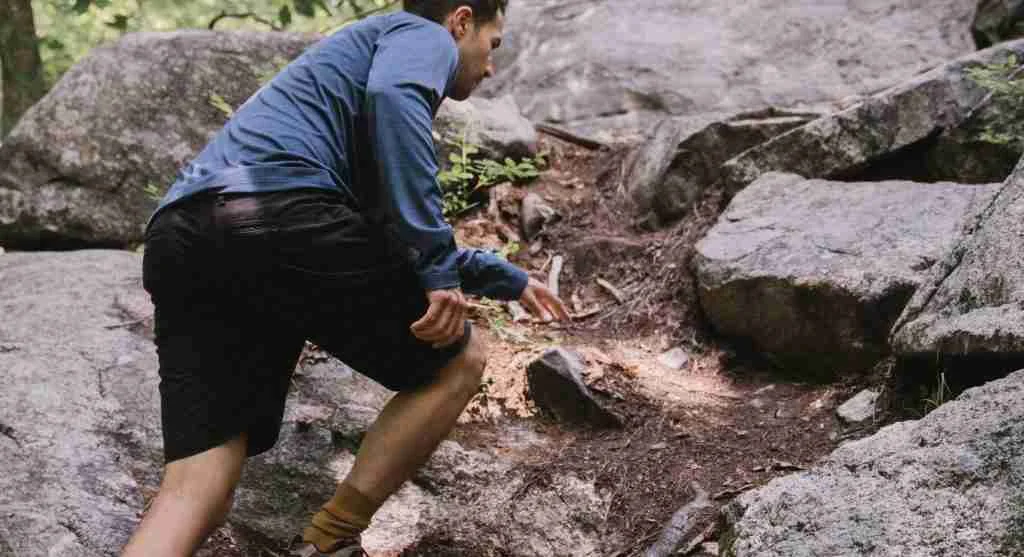
Hikers often shorten stride on uneven trails, which sounds as though it should save energy. Sometimes it helps with control, but it can still increase effort over time. Shorter steps mean more steps overall, and each one may still require a careful landing and stronger balance correction.
Fitness specialists often note that this is one reason uneven trails can create trail leg fatigue faster than expected. The body is not only walking. It is managing many small movements that would not be necessary on smoother ground.
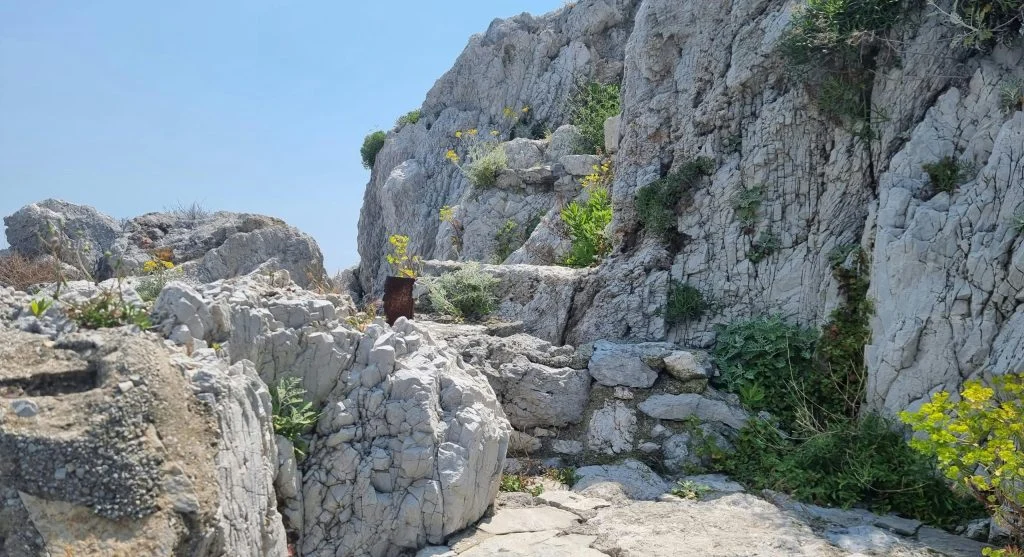
How balance work creates hidden hiking energy loss
One of the biggest reasons uneven trails feel draining is that balance work often stays invisible. The hiker may not think about it directly, yet the body keeps making small side-to-side and front-to-back corrections. These movements are often subtle enough to feel ordinary in the moment while still costing real energy over time.
Outdoor coaches often explain that hidden effort often feels confusing because hikers may not be breathing especially hard. Instead, they simply feel more tired in the legs, hips, and feet than the route should seem to justify. Balance work is often the missing explanation.
Why uneven trails increase mental effort too
Uneven trails usually demand more visual attention than smooth paths. Hikers often need to keep reading the next few steps, checking landing spots, and deciding where the foot should go next. This mental effort can make the route feel longer and more draining, especially later in the day.
Outdoor psychologists often note that physical and mental fatigue often build together. A trail that demands constant attention can feel harder not only because the body is working, but because the mind never fully settles into easy forward movement.
How trail leg fatigue builds after the rough section ends
Uneven terrain often keeps affecting the hiker after the roughest part is over. Once the legs have spent time correcting and stabilizing, even smoother ground may feel less comfortable than it should. A short climb after a rough trail or a flat return section after rocky footing can feel surprisingly heavy because the body is still carrying the cost of what came before.
Fitness educators often explain that this delayed effect is one reason hikers underestimate uneven trails. The tired feeling may not fully appear until the route becomes easier again, which makes the rough section seem less important than it actually was.
Why downhill rough sections often drain even more energy
Rough descents can feel especially tiring because the body is already braking and controlling momentum. Add uneven footing to that, and each step may require more precision and more muscular control. Uneven trails on descents often create stronger trail leg fatigue than hikers expect because the body is handling balance and braking at the same time.
Trail safety educators often explain that this is why some hikers feel most tired after the downhill, not the uphill. The descent may not have raised breathing much, yet it often required steady control through every unstable landing.
How hikers can manage rough trail effort better
Most useful adjustments are simple. A calmer pace, shorter but deliberate steps, and looking a few steps ahead often help. Uneven trails usually feel easier when hikers stop trying to move with the same rhythm they would use on smooth dirt and instead match their movement to the ground they actually have.
Outdoor instructors often recommend treating rough sections as places where patience saves energy. A slightly slower pace early in the section often protects much more energy than pushing through quickly and forcing repeated corrections.
Why planning should account for surface, not just mileage
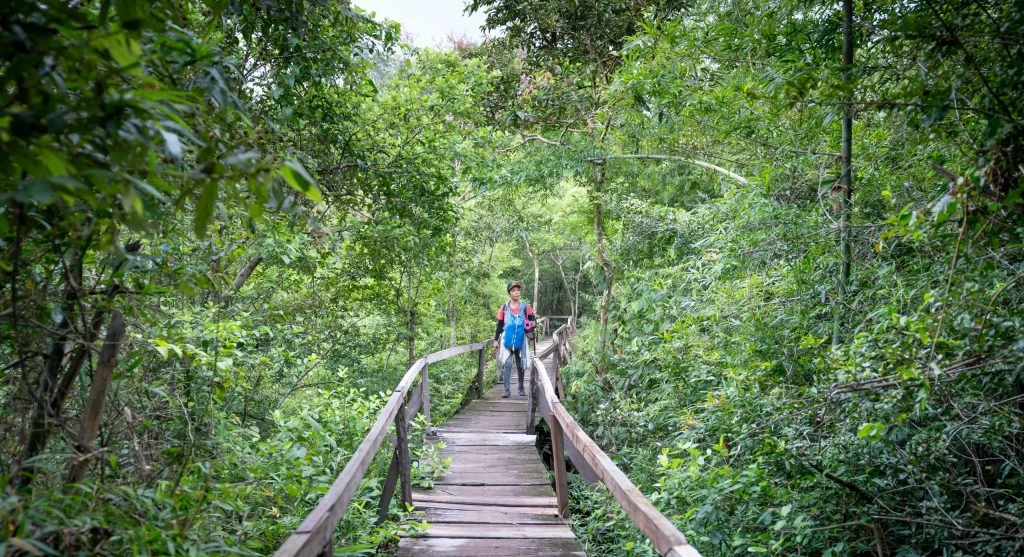
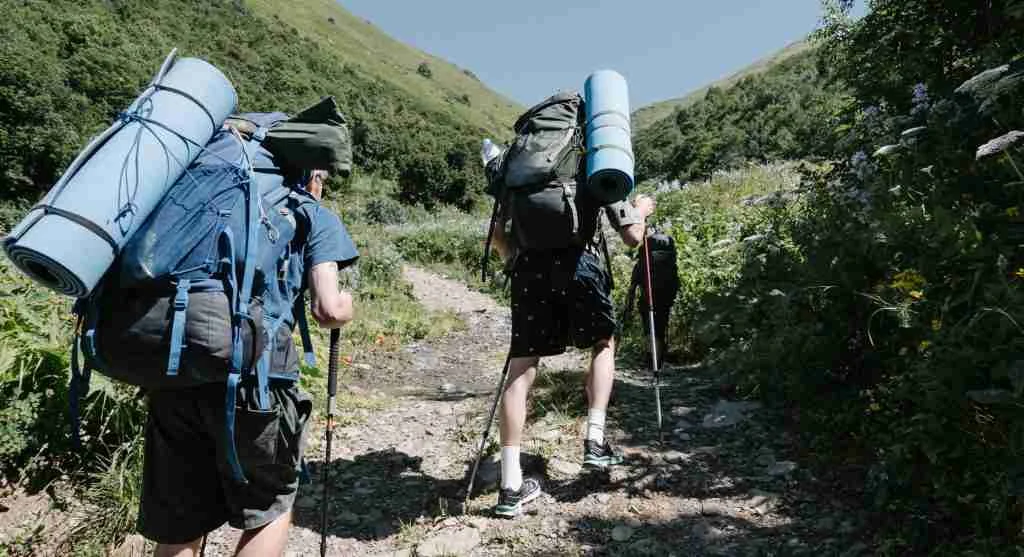
Good planning often includes asking what kind of ground the trail will contain, not only how long it is. Uneven trails may deserve more time, more pacing margin, and more respect than a dry trail description first suggests. A moderate distance on rough footing often feels less moderate in practice.
Outdoor planners often explain that hikers usually make better route choices when they combine distance, elevation, and surface into one picture. That fuller view often explains why one short trail feels unexpectedly tiring while another longer one feels easier from start to finish.
How smoother movement makes the whole hike feel easier
Hikers usually do best when the goal shifts from speed to smoothness. Uneven trails do not always need dramatic technique changes, but they do reward better matching between stride, posture, and footing. Once movement becomes calmer and more deliberate, the route often feels less draining even if the terrain stays rough.
Movement specialists often explain that the easiest trail is not always the shortest or flattest one. It is often the one that lets the body move with fewer interruptions. That is why uneven trails can feel more tiring than distance alone suggests, and why smoother routes often feel easier than maps first imply.
Frequently Asked Questions
Q: Why do uneven trails make hikers tired so quickly?
A: Uneven trails often require extra balance, shorter stride, and more careful foot placement. Those repeated small efforts can quietly drain energy over time.
Q: Can a short rough trail feel harder than a longer smooth one?
A: Yes. Rough trail effort often raises the cost of each step, so a shorter uneven route may feel more tiring than a longer trail with smooth ground.
Q: Why do legs still feel tired after the rough section ends?
A: The body keeps carrying the strain from all the correction and stabilization work. That trail leg fatigue often becomes clearer once the footing gets easier again.
Q: What helps most on uneven trails?
A: A calmer pace, deliberate steps, and better attention to the next few landing spots usually help the most. Smooth movement often saves more energy than speed.
Key Takeaway
Uneven trails often cause more hiking energy loss than distance alone suggests because the body must handle balance, shorter stride, and repeated surface corrections with every step. Rough trail effort usually builds quietly, then shows up later as heavier legs and slower movement. Hikers often feel better on these routes when they pace for smoothness instead of for speed.