
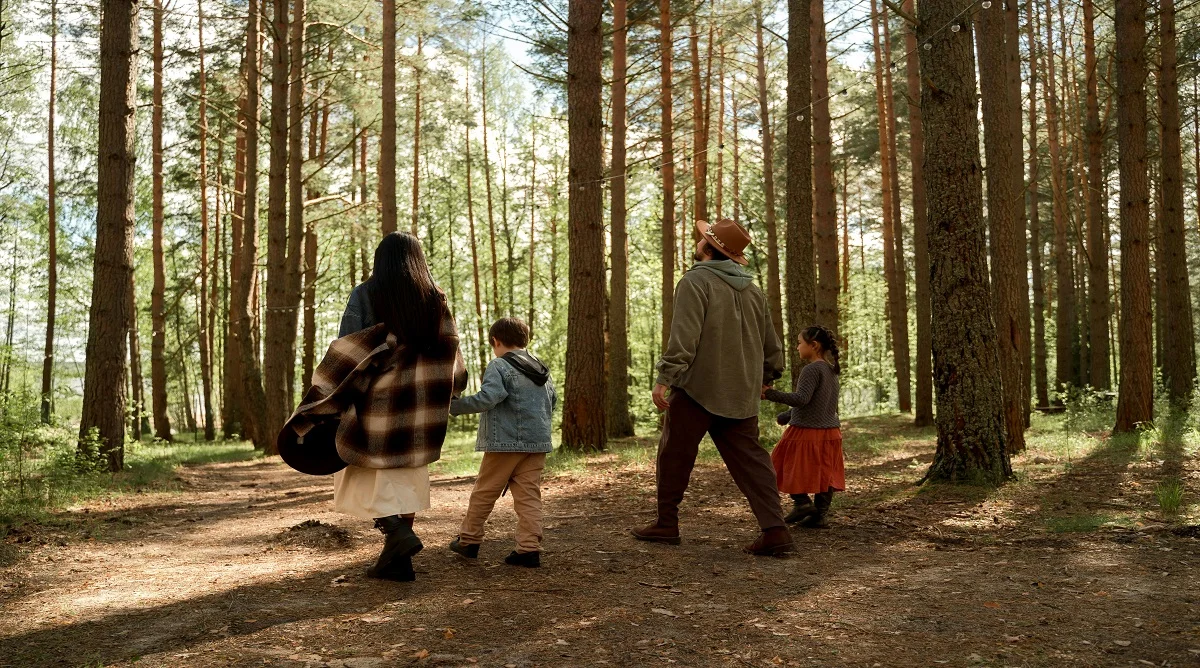
Short nature stops on family hikes often make the experience more enjoyable for children than many adults expect. While it may seem that fewer interruptions would make a hike easier, children often do better when the trail includes small moments to pause, observe, and refocus. When movement and curiosity work together instead of competing, the hike usually feels smoother and more manageable.
Outdoor educators who work with children often explain that hiking with kids isn’t just about distance or fitness. It also depends on rhythm, interest, and comfort. Recreation specialists note that children tend to maintain their energy better when the hike includes short, purposeful pauses rather than one long, continuous effort.
Why short nature stops on family hikes help children pace themselves
Children don’t usually manage pace the way adults do. They may move quickly for a while, then slow down suddenly as their attention or energy shifts. Short nature stops can help even out this pattern by giving them small chances to reset before fatigue becomes noticeable.
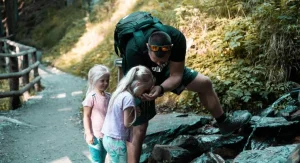
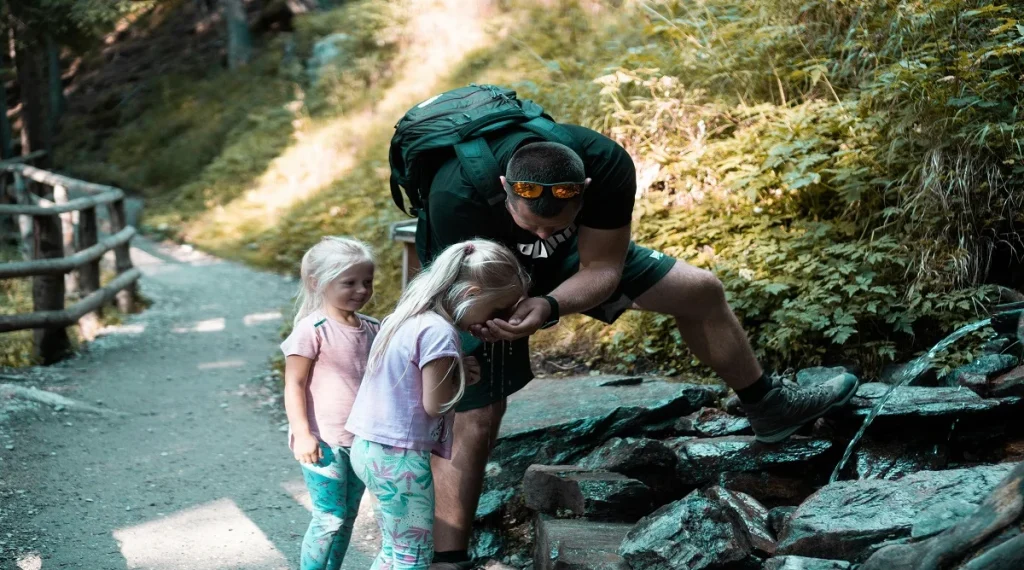
Family recreation specialists often explain that these pauses work best when they feel natural and brief. Stopping to look at a mushroom, listen to a bird, notice a large tree, or watch water at a stream crossing can provide just enough recovery time without making the hike feel interrupted.
How hiking with kids becomes easier when the trail includes curiosity
Many children respond well to trails that offer things to explore along the way. Leaves, animal tracks, insects, tree bark, feathers, and changing sounds can all make the hike more engaging. Short nature stops help turn the walk into a process of discovery rather than a task focused only on reaching the end.
Outdoor learning educators often note that curiosity can reduce boredom, and boredom is often mistaken for tiredness. A child who seems worn out may actually need something interesting to focus on. That’s why small observation stops often lift the mood of the entire outing.
Why short breaks can protect family trail pacing
Keeping a steady pace as a family can be difficult if children are encouraged to keep moving after their attention has dropped or early fatigue has started. A short pause at the right moment can help maintain rhythm better than a long break taken too late. These small stops are effective because they happen before the trail begins to feel difficult.
Outdoor guides often suggest keeping breaks brief—just long enough to notice something then continuing on. This approach allows families to keep moving forward while still giving children moments that feel meaningful and included in the experience.
Credit: Serg Alesenko / Pexels
How children on hiking trails benefit from small goals
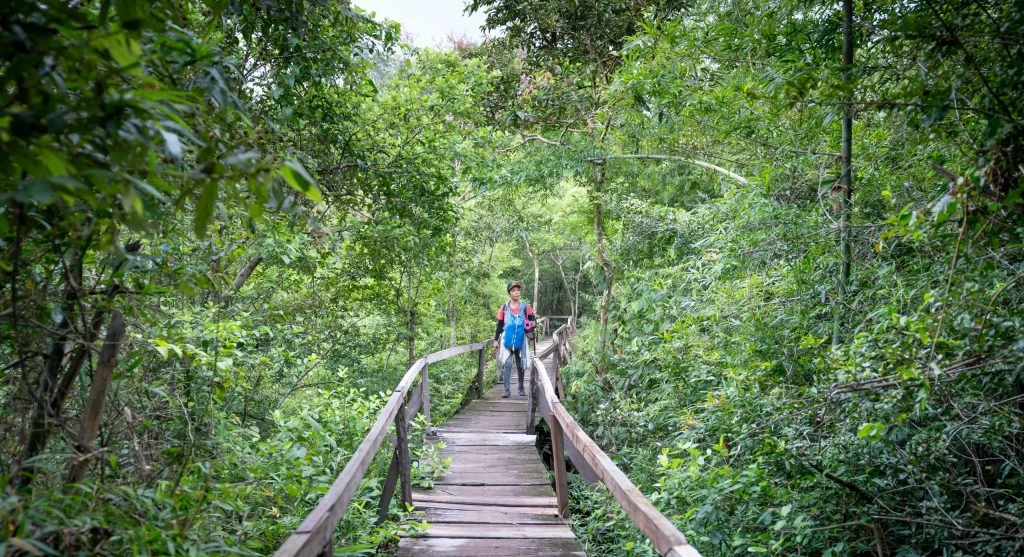
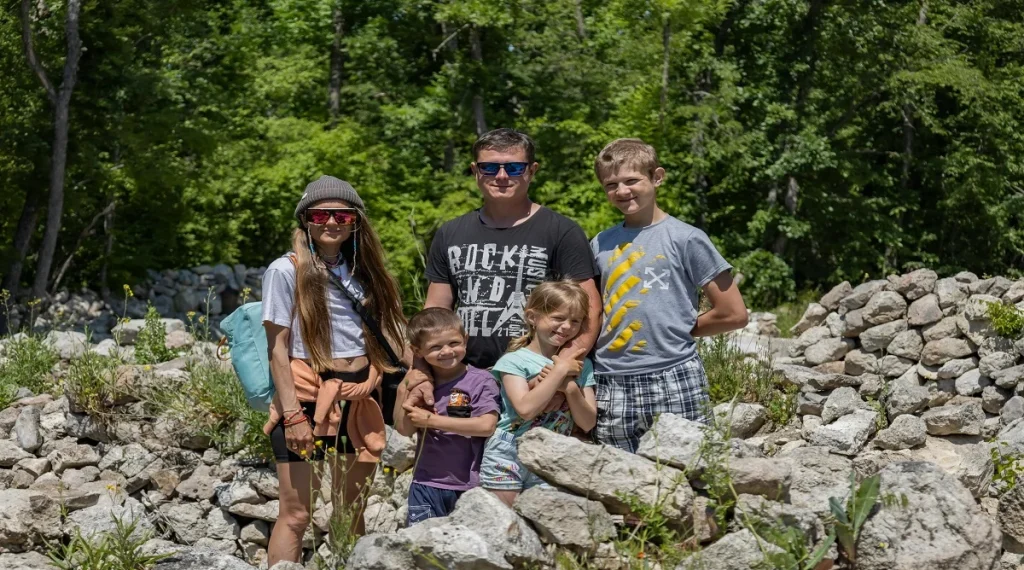
Children often feel more at ease when a hike is broken into smaller, manageable parts. A quick stop to look at a patch of flowers, a bridge, or an unusual rock can serve as a natural goal between longer sections of the trail. These short nature stops help make the distance feel more achievable by turning the hike into a series of small experiences rather than one long stretch.
Outdoor program leaders often explain that small goals make progress easier for children to recognize. They also shift the focus away from a distant endpoint, which may feel too far away to matter for younger hikers.
Why long forced stops do not work the same way
Not every break has the same effect. Long, extended stops can cool children down too much, disrupt momentum, or make it harder to get moving again. Short nature stops tend to work best when they stay brief and connected to what’s happening on the trail. The aim is to refresh attention, not to interrupt the flow completely.
Family hiking educators often note that the most effective pauses are usually spontaneous and short. A family might stop for half a minute to listen to birds or a couple of minutes to watch water moving, then continue before the rhythm of the hike is lost.
How these stops can reduce complaints on the trail
Many complaints during family hikes start when children feel the experience is only about covering distance. Adding small moments to observe and explore helps balance the outing and makes it feel less demanding. Short nature stops can reduce repeated complaints by giving children something to enjoy and remember along the way.
Recreation specialists often explain that children are less likely to resist when they feel included in the purpose of the hike. A child who gets to notice and talk about what stands out on the trail often feels more engaged than one who is simply told to keep going.
Why parents often benefit from these pauses too
These short stops aren’t just helpful for children parents often benefit as well. A slightly slower pace, a chance to pause and breathe, and a better sense of how everyone is feeling can make the hike more enjoyable for adults too. These moments often improve the overall mood of the group.
Outdoor educators often point out that adults sometimes rush because they’re focused on distance or timing, which can make the outing feel more stressful than it needs to be. A few brief pauses can make the rest of the hike feel smoother and more comfortable.
How families can use short nature stops more intentionally
Families don’t need a detailed plan to use this approach. It can be as simple as noticing small natural features that invite a pause—bird calls, moss, animal tracks, or a change in trees. These moments tend to work best when they feel natural and fit the flow of the trail.
Outdoor program specialists often suggest adjusting the number of stops based on the length of the hike and the age of the children. The goal isn’t to stop constantly, but to include enough points of interest that the hike feels steady, engaging, and manageable from beginning to end.
Credit: Monika Balciuniene / Pexels
Frequently Asked Questions
Q: Why do short stops help children so much on hikes?
A: They often help children reset attention and energy without losing the overall trail rhythm. Short nature stops on family hikes can make the outing feel more interesting and less tiring.
Q: Do these pauses make the hike take too long?
A: Not necessarily. Brief stops often improve family trail pacing because they prevent larger slowdowns later when children become bored or tired.
Q: What kinds of trail features make good short stops?
A: Streams, birds, tracks, unusual trees, flowers, rocks, and changing sounds often work well. The best stops are usually simple, interesting, and easy to notice without leaving the trail.
Q: Are short nature stops useful for older children too?
A: Yes. Older children on hiking trails may still benefit from small moments of curiosity and reset, especially on longer or more repetitive routes.