
Many hikers expect climbs to be the hardest part of a route, so it can feel surprising when they feel more tired after descents than they expected. A downhill section may look like relief on the map because elevation is being lost instead of gained. On the trail, however, the body often works hard during descents in ways that are easier to miss at first.
Outdoor fitness educators often explain that downhill hiking fatigue builds through control rather than through obvious uphill effort. Movement specialists also note that descents often demand more braking, balance, and careful foot placement than hikers realize while they are moving through them. This is why the legs may feel heavier after going down even when breathing never felt especially difficult.
Why hikers feel more tired after descents than they expected
One reason hikers feel more tired after descents is that downhill movement uses the legs differently than uphill hiking does. On a climb, the body pushes upward with a clear sense of effort. On a descent, the body must keep resisting gravity with nearly every step. That effort can feel less obvious in the moment, yet it often adds up quickly.
Outdoor instructors often explain that descents can seem easy because they usually do not raise breathing as sharply as climbing does. This can make hikers underestimate how much work the legs are doing. The body may feel calm in one way while quietly collecting strain in another.
How downhill hiking fatigue builds through braking effort
Downhill hiking fatigue often comes from braking. Each step on a descent asks the legs to slow the body down before it lands too hard or moves too fast. That repeated control is one of the main reasons hikers feel more tired after descents on longer trails.
Fitness specialists often note that braking effort becomes even stronger on steeper terrain. A mild downhill may feel manageable for a long time, while a sharper descent often begins draining the legs within only a short distance. The body is not simply walking down. It is catching itself over and over again.
Why rough descents drain more energy than smooth trails
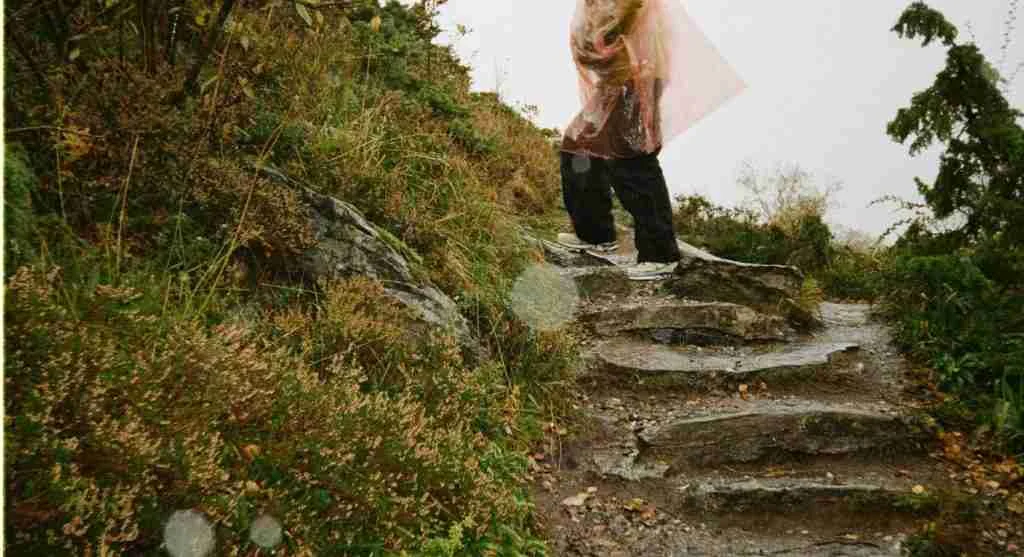
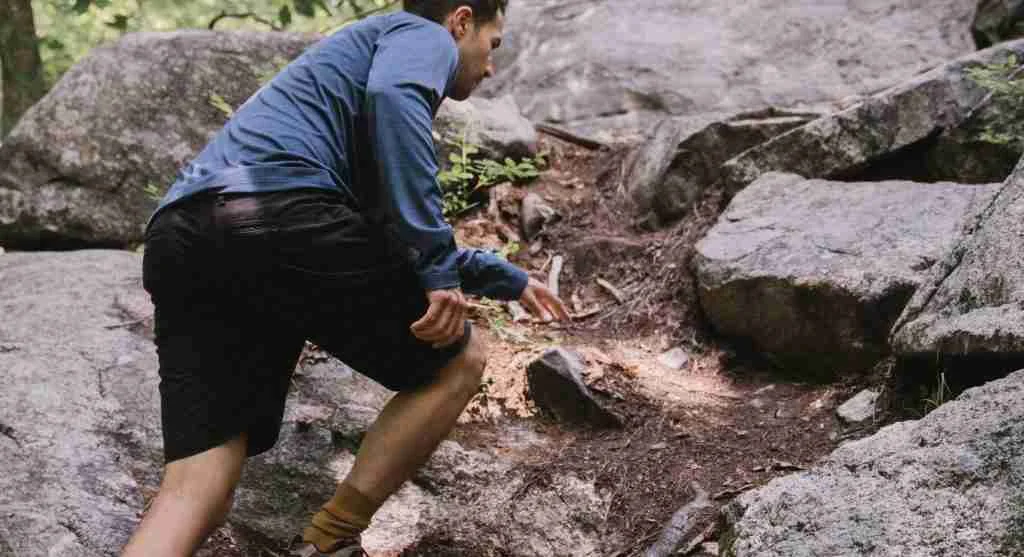
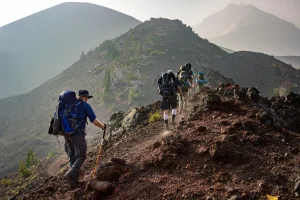
Surface matters as much as slope. A smooth downhill path allows a more natural rhythm, but a rocky, root-covered, or loose descent forces the body to keep adjusting. When footing changes every few steps, the legs must handle both braking and balance at the same time. That often increases trail leg fatigue more than hikers expect.
Trail safety specialists often explain that this is why a short rough descent can feel more tiring than a longer smoother one. The map may show only elevation loss, but it does not show how much control the ground itself will demand.
Credit: Lum3n / Pexels
How balance work adds to trail leg fatigue
Balance often uses more energy than hikers notice while it is happening. On descents, especially uneven ones, the body keeps making small corrections to stay centered and upright. Those corrections may feel minor individually, but they build into real effort across a full trail.
Movement educators often explain that balance work often shows up as tired hips, calves, or lower legs later in the day. A hiker may not remember one difficult moment, yet still feel worn down because dozens of small corrections happened during the descent without much conscious attention.
Why long descents can feel mentally tiring too
Descents often demand steady concentration. Hikers may need to keep reading the next few steps, watching for loose rocks, and deciding where to place each foot. This kind of focus can make the route feel mentally heavier even if the body is still moving at a steady pace. Many hikers feel more tired after descents because the mind was working almost as continuously as the legs.
Outdoor psychologists often note that mental effort changes how physical effort feels. A descent that requires constant attention can seem longer and more draining than a flatter trail of the same distance because the hiker never fully relaxes into easy movement.
How steep descents change pace and confidence
Steeper downhill sections often reduce confidence, which can change how the body moves. A hiker may shorten steps, tense the legs, or hesitate more often. These reactions are understandable, but they can also increase fatigue because movement becomes less efficient. The body begins doing extra work to stay controlled.
Outdoor coaches often explain that this is one reason hikers feel more tired after descents late in the hike. What looked like a simple downhill section may actually have included many small cautious movements that slowly drained energy.
Why tired legs make the next section feel harder too
The effect of a descent often continues after the downhill section ends. Once the legs have spent time braking and stabilizing, even flatter trail may feel less smooth than before. A short climb after a long descent can feel surprisingly difficult because the legs are already carrying quiet fatigue from the downhill effort.
Fitness educators often explain that this lingering effect is why hikers sometimes misjudge how much the descent itself took out of them. The tired feeling may appear most clearly only after the body tries to return to normal trail rhythm.
How hikers can reduce downhill hiking fatigue
Most useful adjustments are small. Shorter steps, calmer pace, and looking a few steps ahead often help descents feel more controlled. Hikers usually do better when they avoid rushing downhill just because gravity is helping movement along. Faster descent often means harder braking and heavier leg strain later.
Outdoor instructors often recommend treating steep or rough descents as active trail sections, not as rest sections. Once hikers accept that downhill terrain still deserves skill and energy, they often pace it more wisely and preserve more comfort for the rest of the route.
Why pacing a descent early often saves energy later
Many hikers try to finish descents quickly so they can get to easier ground sooner. In practice, that often backfires. A rushed downhill may feel faster in the moment, but it can leave the legs heavier for the next mile or two. Slower controlled descents often save more energy overall because the body absorbs less repeated shock and strain.
Trail coaches often explain that smart pacing is one of the biggest differences between a descent that feels manageable and one that leaves the legs drained. The goal is not to move slowly out of fear. It is to move with enough control that the downhill section stops working against the rest of the hike.
Credit: Lum3n / Pexels
Frequently Asked Questions
Q: Why do descents make hikers tired if they are going downhill?
A: Descents require repeated braking and balance control. The legs must keep resisting gravity, which can build fatigue even when breathing feels easier than on climbs.
Q: Are rough descents harder than smooth ones?
A: Usually yes. Uneven ground adds more balance work and more careful foot placement, which often increases downhill hiking fatigue.
Q: Why do legs feel heavy after a downhill section?
A: The legs may feel heavy because they spent many steps slowing the body and correcting balance. That trail leg fatigue often becomes more obvious after the descent ends.
Q: What helps reduce downhill fatigue on hikes?
A: Shorter steps, calmer pace, and better footing awareness often help the most. Controlled descents usually leave the legs fresher than rushed descents do.
Key Takeaway
Hikers often feel more tired after descents because downhill terrain demands braking, balance, and constant control even when it does not feel as intense as climbing. Downhill hiking fatigue usually builds quietly through repeated leg effort and careful footing. A calmer pace and more controlled descent often help the whole hike feel easier afterward.