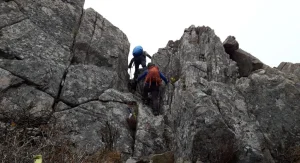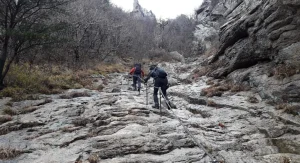

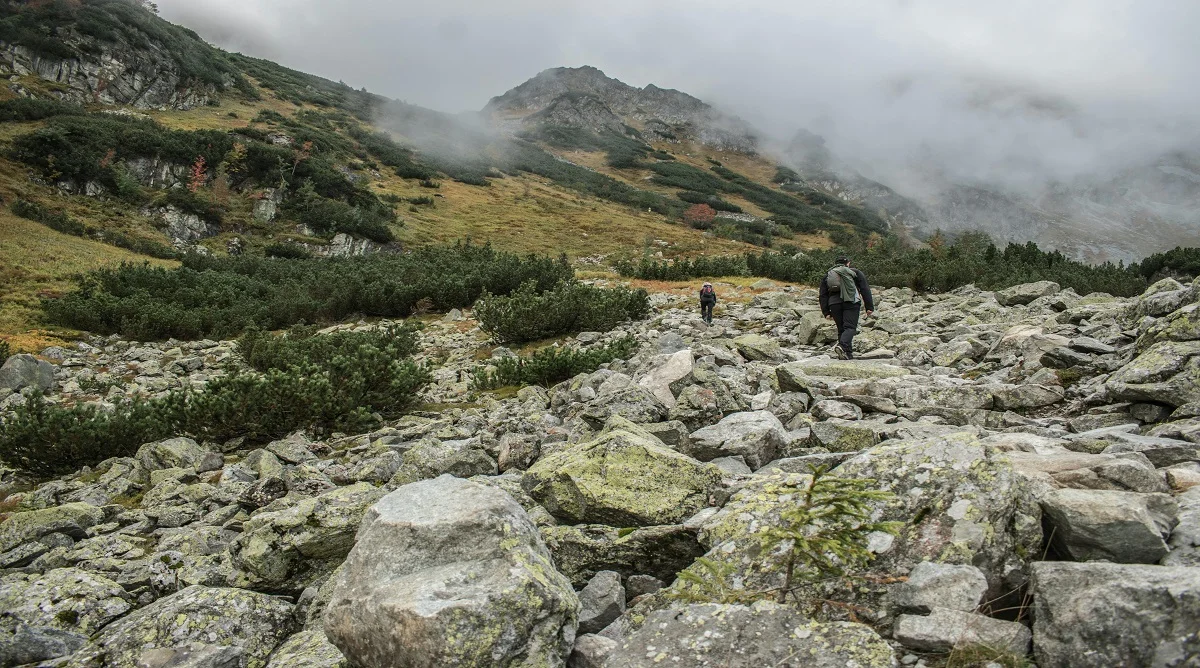
Rocky trail sections often slow hikers down more than distance alone suggests. A route that looks short on a map can feel much longer when every step requires adjustment, balance, and attention. Many hikers lose their rhythm in these areas by either rushing or hesitating too much between steps.
Outdoor movement educators often explain that rocky terrain becomes easier when the focus shifts from speed to control. Trail safety specialists also note that uneven footing feels hardest when hikers react late to each step instead of reading the terrain ahead. A few simple habits can make these sections feel steadier and less tiring.
Why rocky trail sections interrupt pace so easily
On smooth trails, walking rhythm comes naturally. Rocky terrain breaks that rhythm because each step can feel different. One rock may be stable, while the next shifts or tilts slightly. This forces constant adjustments in stride and balance.
Outdoor instructors often point out that fatigue builds here not just from distance or elevation, but from repeated correction. Even on flat ground, the body works harder to stay stable and controlled.
How to look ahead without ignoring the next step
Where you look plays a big role in balance. Hikers tend to move more smoothly when they glance slightly ahead—reading the next few steps while still tracking where the foot will land. This helps the body prepare for changes in height, angle, and spacing.
Movement specialists often suggest avoiding two extremes. Looking only at your feet limits awareness of what’s coming next, while looking too far ahead can lead to poor foot placement. A balanced visual pattern supports better flow.
Why shorter steps improve hiking foot placement
Long strides often make rocky terrain harder by increasing the chance of stepping onto unstable surfaces. Shorter steps keep the body more centered and allow quicker correction if footing shifts.
Trail coaches often explain that shorter steps also help maintain rhythm. Instead of committing to one large, uncertain movement, hikers can take several smaller, controlled steps that require less effort and recovery.
Credit: ZHRØ / Pexels
How to choose the best landing spots on uneven rocks
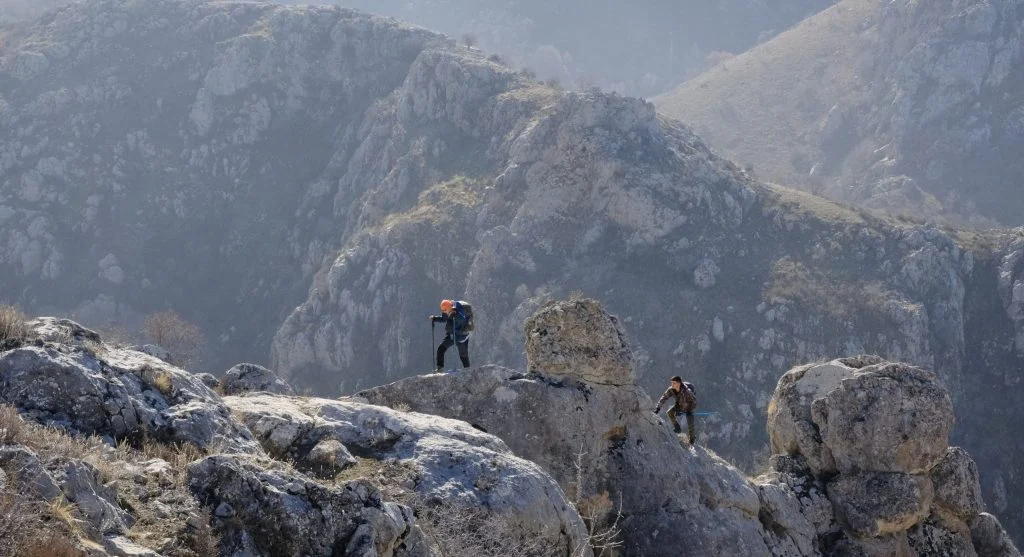
Good foot placement on rocky trails usually comes down to choosing the most stable surface available. Flatter sections of rock tend to offer better support than sharp edges or sloped faces, which can tilt or shift under pressure. Not every rock is equally reliable, so taking a moment to select a solid landing spot often makes the next step easier.
Outdoor safety trainers often suggest aiming for natural, full-foot contact whenever possible. Even if it slows you slightly, stable footing reduces slips and cuts down on the extra effort needed to recover balance.
Why rushing makes uneven trail footing harder
It’s common to want to hurry through rough terrain, but rushing usually makes it more difficult. Faster movement often leads to harder landings, less accurate steps, and more time lost correcting small mistakes. Rocky sections tend to reward a calm, controlled pace rather than speed.
Endurance specialists often explain that efficient movement isn’t always fast movement. A steady pace through uneven terrain typically saves more energy than moving quickly and constantly correcting instability.
How posture supports better trail balance skills
Posture plays a big role in how stable you feel. Leaning too far forward or backward can throw off balance, especially when rock heights change frequently. Staying upright and centered helps the body move more smoothly over each step.
Movement educators often describe this as relaxed alignment rather than stiffness. When posture stays balanced and flexible, the body can adjust more naturally to uneven ground without feeling pulled off balance.
Why rocky trail sections feel more tiring on descents
Descending rocky terrain often feels harder than climbing it because each step requires both balance and control. Small drops, angled surfaces, and loose edges all demand extra braking effort, which adds strain to the legs.
Outdoor instructors often recommend slowing down on descents. Shorter steps and deliberate placement usually reduce fatigue and make the section feel more manageable than trying to keep a normal walking pace.
How hikers can keep rhythm without forcing speed
Rhythm on rocky trails comes from steady decision-making, not constant motion. Hikers often move best when they accept a slightly slower pace and keep it consistent. Brief pauses to read the terrain ahead can actually support smoother overall movement.
Trail coaches often note that with practice, this kind of rhythm begins to feel natural. Rocky sections stop feeling like interruptions and start to feel like terrain that can be read and crossed with more confidence and control.
Credit: Darina Belonogova / Pexels
Frequently Asked Questions
Q: Why do rocky trail sections feel so tiring?
A: They require constant balance correction, shorter stride adjustments, and more careful foot placement. Even when the trail is not steep, the body is doing extra work on each step.
Q: Should hikers take bigger or smaller steps on rocks?
A: Smaller steps often work better because they keep the body more centered and make unstable surfaces easier to correct. This usually improves control and reduces wasted effort.
Q: What is the best way to look at rocky terrain while walking?
A: Many hikers do best by glancing slightly ahead while still tracking the immediate next landing point. That helps the body prepare for the next few steps without missing the current one.
Q: Why do rocky descents feel harder than rocky climbs?
A: Descents add braking force and impact control to every step. That usually makes uneven trail footing feel more demanding and more tiring on the way down.
Key Takeaway
[INTERNAL LINKING SUGGESTIONS]
- How to Walk Down Steep Trails Without Wasting Energy or Losing Balance
- Why Shorter Hiking Steps Often Make Tough Trails Feel More Manageable
- Why Hikers Feel More Tired After Descents Than They Expected