
What you think you need for a hike can really affect what you decide to do, even before you’ve set off. Lots of hikers fall for the idea that the more equipment you have, the better you’re ready, but other people think you don’t need to do much at all to prepare for a short hike. Both of these ways of thinking often mean you’re uncomfortable, are carrying too much, or have forgotten something that would have made your walk easier.
Experienced people who teach about the outdoors say that the essential gear for a trail is generally more sensible than many realize. Those who train for safety also point out that loads of issues on day hikes are because of being confused about your equipment, not because you haven’t got pricey stuff. The best kit is usually what’s right for the path, the conditions and how far you’re going, and doesn’t include anything extra and heavy.
Myth 1: More gear always means better preparation
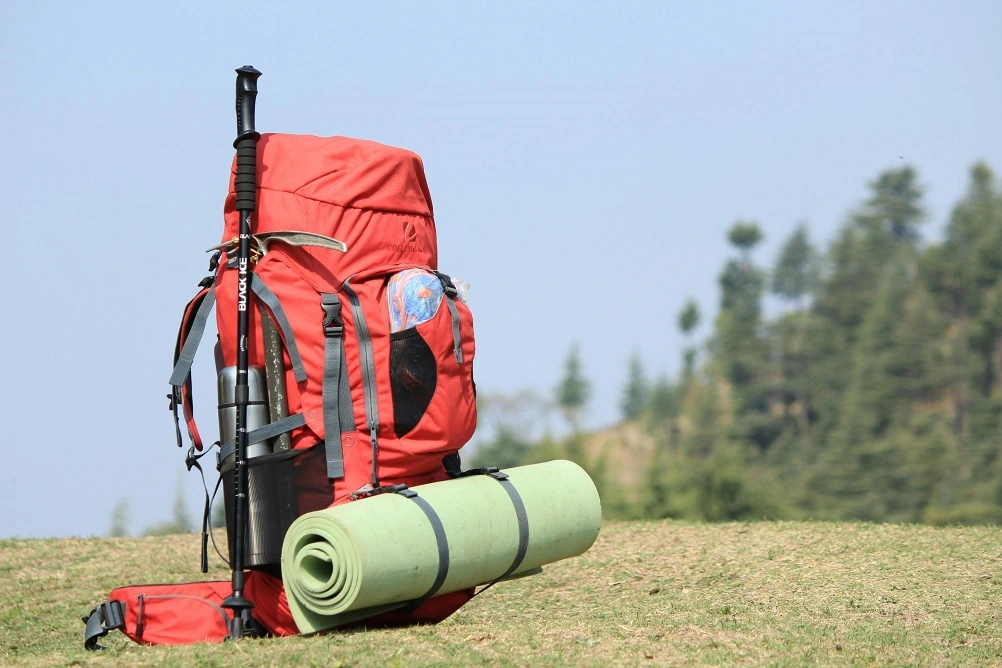
Lots of people who hike think that if you have a really big backpack, you’re a clever hiker. But actually, carrying too much equipment makes walking not as pleasant, makes you get tired more quickly, and takes your attention off where you are. A very heavy bag frequently hurts your shoulders, and makes you worry too much instead of being properly ready for things.
Experienced instructors out in the wilderness recommend you decide if you actually need each thing. For a day’s hike, what you take should ideally be for water, for different types of weather, for food, and for simple first aid – all without making your bag too heavy to handle.
Myth 2: Short hikes do not need real gear choices
People often think you can wear just about anything and use any equipment on a quick hike. And it’s possible to get away with that when the weather is lovely, but conditions can change quickly. A bit of bad weather, tricky ground, or even being a little later than expected can turn a simple trail into something surprisingly difficult. These kinds of false ideas about hiking equipment frequently lead people to leave behind water, extra clothing or not pay attention to the route, all because they assume the trail is easy.
Park rangers and other outdoor experts will tell you that even for shorter hikes, you still need to carefully decide what to bring. A light jacket, sufficient water, and shoes that won’t slip are important for even a trail that takes only a couple of hours.
Myth 3: Hiking boots are always required
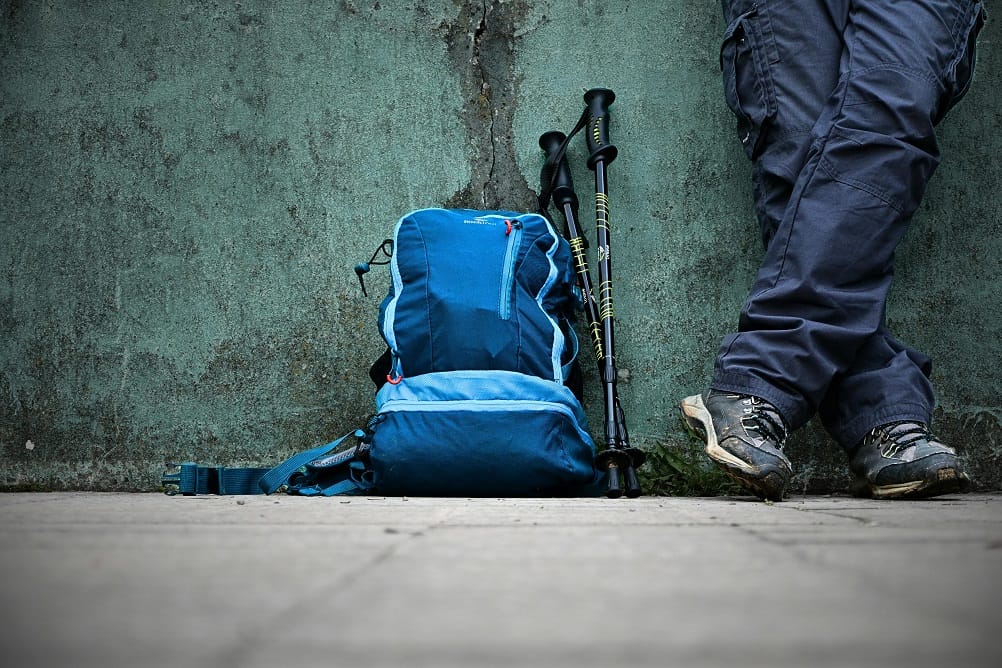
Lots of people believe you have to wear heavy hiking boots for every trail, but that’s a common misconception. Really, what you wear on your feet should be about the ground you’re walking on, not just what’s always been done. Many shorter hikes are perfectly fine with comfortable trail shoes, or even athletic shoes that grip well, particularly on easier, dry trails.
Experts who know about shoes will tell you that being comfortable and not slipping are more important than whether the shoes are marketed as ‘hiking’ shoes. A lot of errors with clothes and gear for hiking, and a lot of being unsure what to get, start when people pick what looks like the proper “official” equipment instead of what will actually work for the trail.
Credit: Ivan Antic Fotkalo / Pexels
Myth 4: Cotton is always fine because the hike is short
Lots of people put on for a hike whatever they’re used to wearing around the house, only to find that being on the trail is a different experience when you add in perspiration, wind, or humid air. Cotton isn’t always a bad choice for a simple, easy stroll, but it keeps you wet for much longer and gets uncomfortable as the weather shifts. That’s a very typical clothing error for short, pleasant hikes.
People who teach about clothes for the outdoors usually advise you to consider how a material will act once you’re actually moving, not simply how it feels when you’re starting out. Even a quick hike can include sweating, being in the cool of trees, or a wind that quickly alters how comfy you are.
Myth 5: Water filters and backup items belong on every day hike
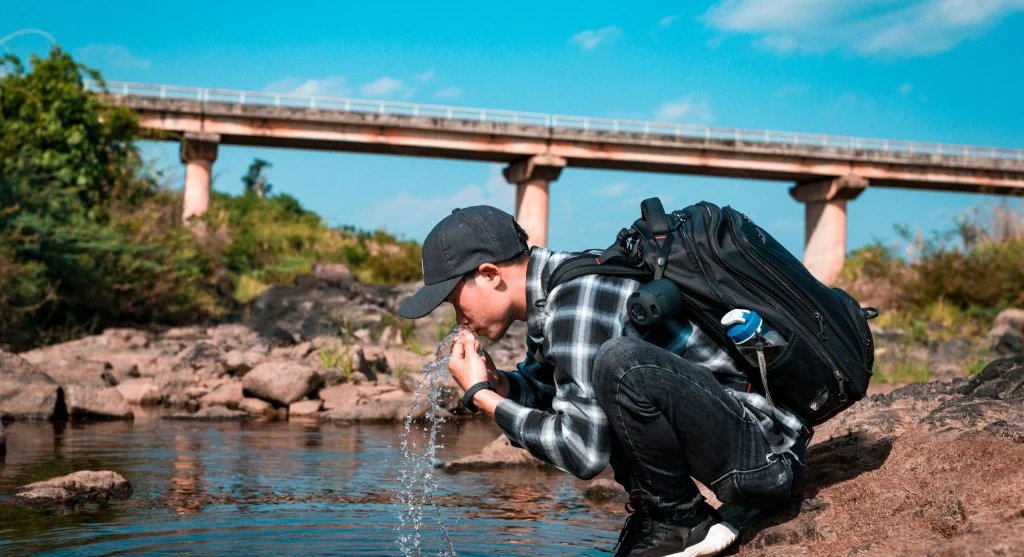
People often bring way too much with them on hikes because they plan as if even a quick trip is into the wilderness. Having a way to do things over if something goes wrong is important on lengthy hikes or hikes in places with no help nearby, but for many hikes around town, you don’t need quite as much extra stuff. A lot of what people think they need for hiking comes from being used to very rough, far-from-civilization trips and then using the same approach on easy, popular trails without thinking it through.
Those who work in outdoor safety usually say to choose your equipment for the hike you’re really doing. The most useful hiking items are the ones that are for what you’re likely to face, and not for the absolute worst possible scenario.
Myth 6: A good pack matters more than what goes inside it
How comfortable a backpack is is impacted by the backpack itself, but what’s inside it is actually more important than most people realize when they’re hiking. Even a really good backpack will feel strange and unwieldy if you’ve put too much in it, haven’t distributed the weight well, or have things you need often that are hard to get to. Things for a day’s hike are best when you can quickly get to your water, food, and extra clothing for changing weather.
People who teach about gear will frequently tell you that keeping everything neat makes things easier on the trail. And you will probably find that a smaller, more basic bag is much more useful than a huge one if you haven’t thought about how to pack it.
Myth 7: Good hikers always carry the same gear on every trail
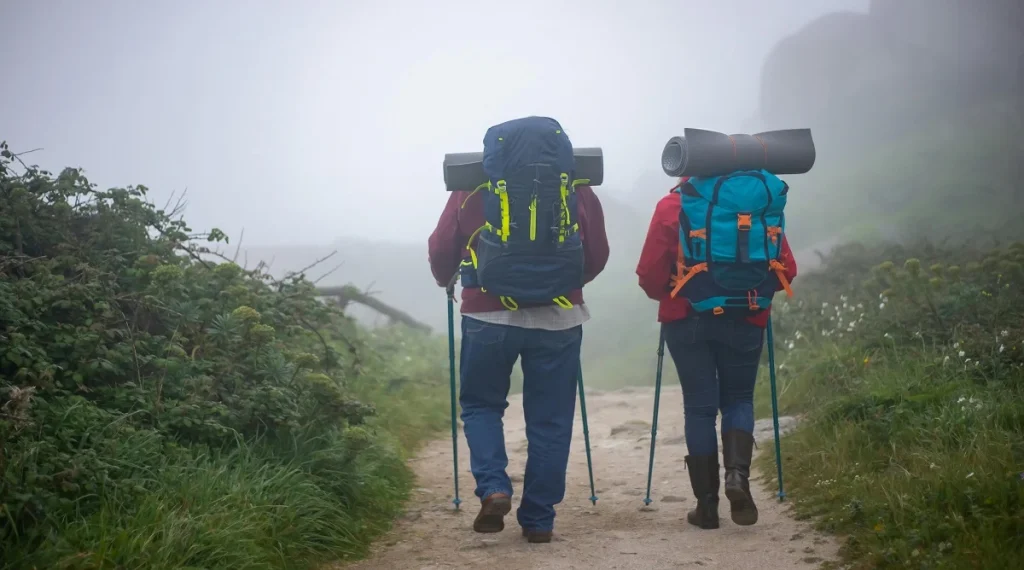
It’s not very useful to think you should always pack the same way for every hike; that’s a pretty common misconception about hiking equipment. Hikers who are really in good shape change what they take depending on the weather, the type of ground you’re on, how long the trail is, and what everyone in your group needs. A walk in a shaded forest, a route along an open ridge, or a trail with kids are all going to benefit from you selecting things a little differently.
And instructors who are experts in the outdoors usually say to go over your gear after each hike. What you didn’t use, what you wished you had had, and anything that wasn’t comfortable to wear or carry will all show you what to do better next time. Being flexible and changing things as you go is generally much better than sticking to a strict schedule.
Credit: Kampus Production / Pexels
Frequently Asked Questions
Q: What is the most common hiking gear mistake on day hikes?
A: Carrying too much or too little is one of the most common mistakes. Many hikers improve comfort by focusing only on trail gear basics that match the route and weather.
Q: Do all hikers need boots?
A: No. Some trails are fine with supportive trail shoes or other footwear with decent grip. The terrain usually matters more than the category name of the shoe.
Q: Is a bigger backpack better for beginners?
A: Not usually. A bag that encourages overpacking can make a hike less comfortable. Beginners often do better with a smaller pack sized for actual day hike gear needs.
Q: Why do hiking gear myths matter so much?
A: They matter because they influence comfort, pacing, and preparation. False ideas about gear often lead hikers to carry the wrong items or ignore simple needs that would improve the outing.
Key Takeaway
Lots of what people think they need for hiking actually causes them to carry too much, pick the wrong clothes, or forget to bring the things that are truly important. Usually for a day on the trail, the best equipment is uncomplicated, useful for what you’re doing, and appropriate for the path you’ll be on. If you get rid of the incorrect ideas about hiking equipment and focus on the basics, you’ll probably be more comfortable, move more quickly, and have a better time.