
Hiking through the woods is a totally different experience than on open mountain trails, and this is true even if they’re the same length. It isn’t just the view that changes things; the shade from the trees, the sounds around you, how easy it is to get a grip with your feet, and how far you can see all work together to change how you walk and what it’s like to be on that part of the trail. Loads of people feel this shift immediately, though they don’t always know why.
Those who teach outside will tell you what’s around the trail impacts how relaxed you are and how much you’re paying attention. Experts on the environment add that we react in fairly unnoticeable ways to being surrounded by things, to the colder temperature, and to not being able to see so far. And all of this can make you go slower, focus differently, or even feel like the trail is longer than it actually is.
Why forest hiking trails often feel cooler and calmer
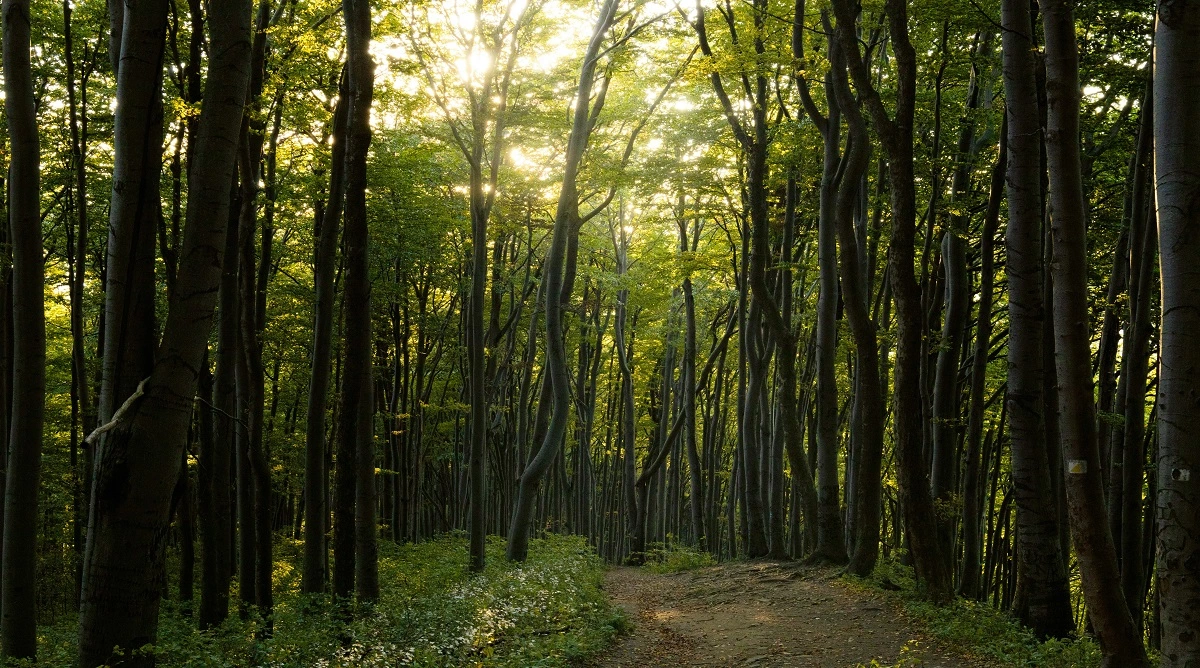
When you’re walking in the woods, one of the first things you’ll likely realize is how much cooler it is. The trees block the sun and generally keep the air temperature down compared to places that are open to the sun. This can make walking much nicer, particularly on hot days when trails without shade are really strong and tiring.
Guides who work outside frequently mention that shade even alters how strenuous something feels. A fairly challenging uphill walk in the forest will often seem simpler because your body isn’t battling the sun at the same time. And the softer light affects your mental experience of the trail as well.
How sound changes the experience of hiking in forests
When you’re in the woods, sound acts in a different way. The wind doesn’t seem to hit you as hard, sounds from far away disappear faster, and sounds right around you are simpler to hear. On forest trails, you’ll usually hear bird sounds, leaves shaking in the breeze, bugs, and the flow of water more distinctly than in a field or over open ground.
People who are experts in being aware of your surroundings outside will tell you that these kinds of sounds can make you feel both calmer and more on guard. A forest with a lot less noise is relaxing, yet it makes you listen more, because you can’t see as much thanks to the trees and bushes.
Why footing on forest hiking trails can feel less predictable
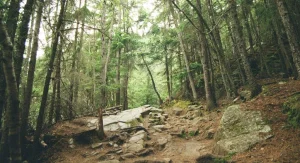
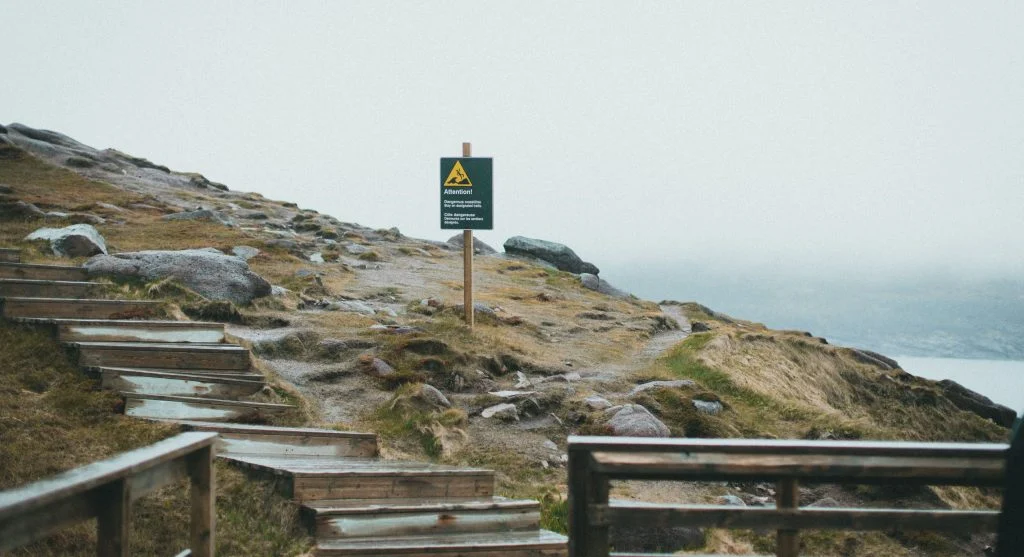
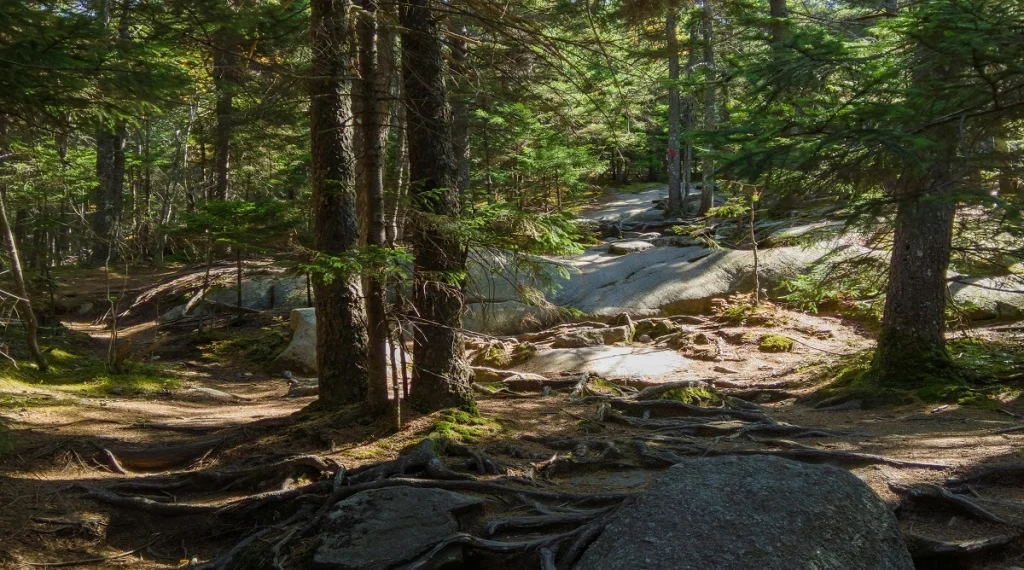
When you’re in the woods, the ground underfoot is frequently different. You’ll have to deal with roots, wet leaves, giving way earth, twigs, and rocks in the shade, all of which can throw you off balance. Wooded hiking paths might seem easy when viewed from further away, but you’ll probably need to watch where you’re putting your feet more closely than you’d initially think.
People who teach hiking safety point out that walking in the forest isn’t always hard, but it’s usually not as predictably firm. A trail can go from solid dirt to bumpy roots or a slick layer of leaves in a flash. This constant change in the surface makes you move differently, and can slow you down more than just how far you are going.
Credit: David Yu / Pexels
How reduced visibility changes trail awareness
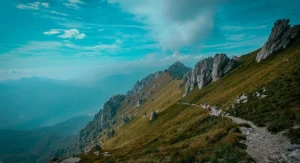
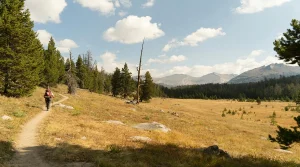
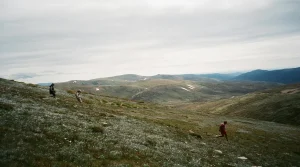
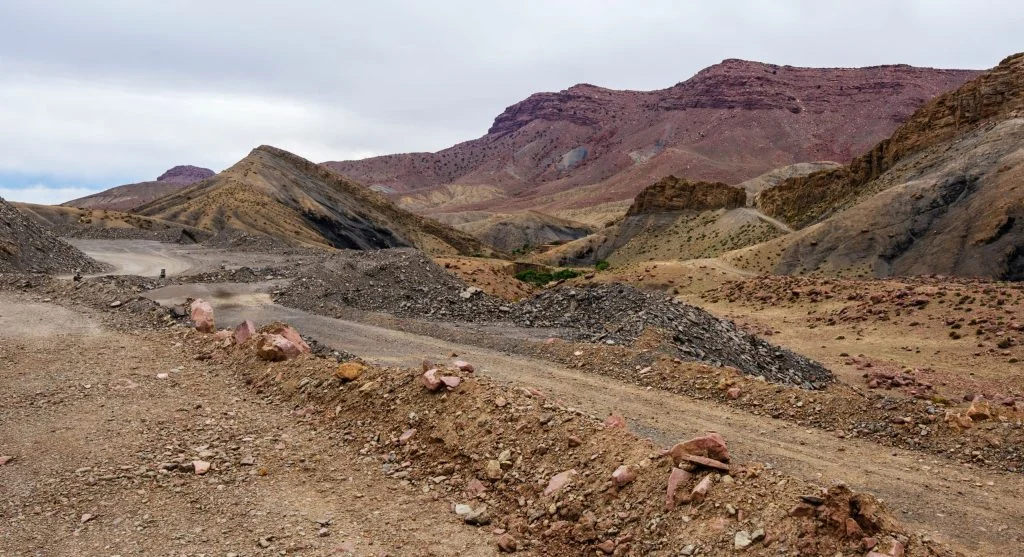
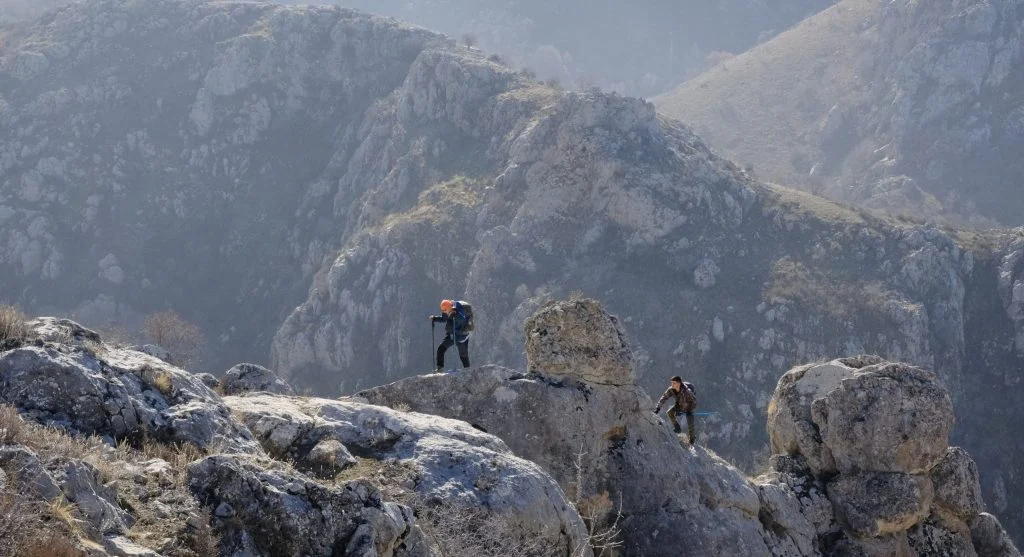
When you’re hiking in the open mountains, you can generally see a good way ahead, but trails through forests generally don’t let you. The trail in a forest feels smaller and more contained because of the trees, how the path curves, and the bushes around you. And this frequently affects the way we estimate how far it is to something, what direction to go, and how much energy it will take. A quick walk in the woods can even seem to be longer, just because you can’t see what’s coming up.
People who teach you how to find your way explain that when you can’t see very far, you’re more likely to concentrate on what you are doing at that moment. Hikers will look more carefully at the markers, bends in the path, and things close by to guide them, as you don’t have the entire route stretching out before your eyes.
Why forest hiking trails often feel more immersive
People often say trails through the woods are totally absorbing because you’re completely enveloped by the surroundings. The trees form a sort of border for the way you’re going, the light on the ground is always changing, and you can pick out little things in nature more readily. When you’re hiking in a forest it tends to feel as though you’re in the landscape, rather than simply heading to some far-off point.
In fact, nature experts frequently point out that this is a primary reason wooded trails are so satisfying even if they don’t have amazing views. Mushrooms, the patterns of the bark, moss, how the shade moves, and the sounds of small animals all make the trail full of life and contain many levels of interest. Your focus shifts to things right at the trail itself, not to anything distant from it.
How weather behaves differently in wooded trail surroundings
Being in a forest doesn’t mean the weather’s immediately obvious, and it isn’t necessarily simpler. Though shade will lower the temperature, the air can stay damp for quite a while after it rains. The trees might make the wind seem lighter, but soggy leaves, mud and treacherous roots will be slippery and last a lot longer. Forest trails manage to hold onto moisture and a cool temperature in a way that trails in open areas just don’t.
People who are experts in outdoor safety say trails through the trees are often pleasant for a longer period in the summer, but they’re also better at concealing potentially dangerous, slick spots. It’s generally a good idea for hikers to slow down when the ground is wet from recent rain or morning dew.
Why pace often changes on forest hiking trails
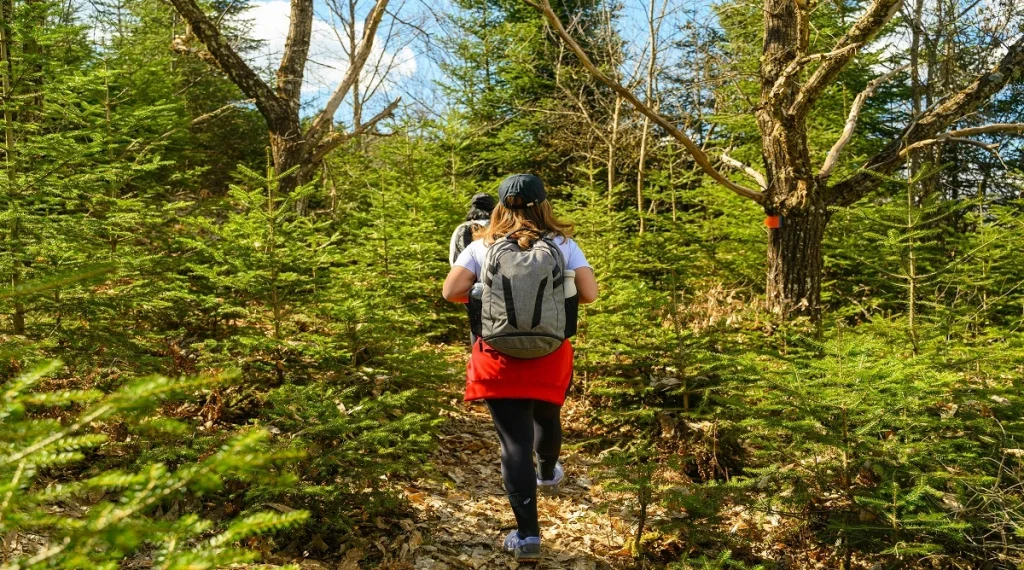
When you’re walking through the trees on a trail, you’ll likely find your pace gets more even and possibly a bit slower. This isn’t necessarily because you’re not in shape. Being surrounded by trees, the ground being uneven, and not being able to see as far ahead of you all make you walk with a bit more restraint. A steady pace is generally a better approach than a fast one on forest paths.
Coaches who work with endurance athletes have observed people hiking don’t usually feel as much of a need for speed when they aren’t looking at a big expanse of scenery. They simply get into the flow of the trail, dealing with each part of it as they get to it. This can make a hike feel far more peaceful, even though your body is still getting a good workout.
Credit: Kostas Dimopoulos / Pexels
How hikers can appreciate trail surroundings more fully
People usually get more pleasure from walking in the woods if they let where they are decide how fast they go. Truly hearing the sounds, how the light shifts, what the ground feels like, and the little things you can see all make a walk in the forest more interesting. Forest paths are generally about subtle details, not huge spectacles and you get more from them if you pay attention.
Those who teach outdoors commonly suggest going a little slower, glancing at what’s further up the trail and right around you, and observing how the path is different in the shade, in the dirt, and among the plants. You don’t need to be an expert to do this. It just means connecting more with the trail and everything around it.
Frequently Asked Questions
Q: Why do forest hiking trails feel easier in warm weather?
A: Tree cover often reduces direct sun and helps keep conditions cooler. That can make effort feel more manageable, especially during longer walks.
Q: Are forest trails safer than open trails?
A: Not always. Forest hiking trails may offer shade, but they can also include roots, damp ground, and limited visibility that require careful attention.
Q: Why do wooded trails sometimes feel longer?
A: Reduced visibility can make distance harder to judge. When hikers cannot see far ahead, the trail may feel more enclosed and longer than expected.
Q: What should hikers pay attention to most in forests?
A: Footing, trail markers, and changes in ground surface are often especially important. Sounds and nearby movement can also help hikers stay aware of the trail surroundings.
Key Takeaway
When you’re on a trail in the woods, it’s a different experience than being in the open, and that’s down to the shade, the sounds around you, how easily you can get your feet secure, and how far you can see. Forest trails are usually more protected, feel cooler, and make you concentrate on a lot of little things, compared to being in a wide open area. People who pay attention to all of that around the path will typically have a better sense of where they are and will get more out of being outside.