
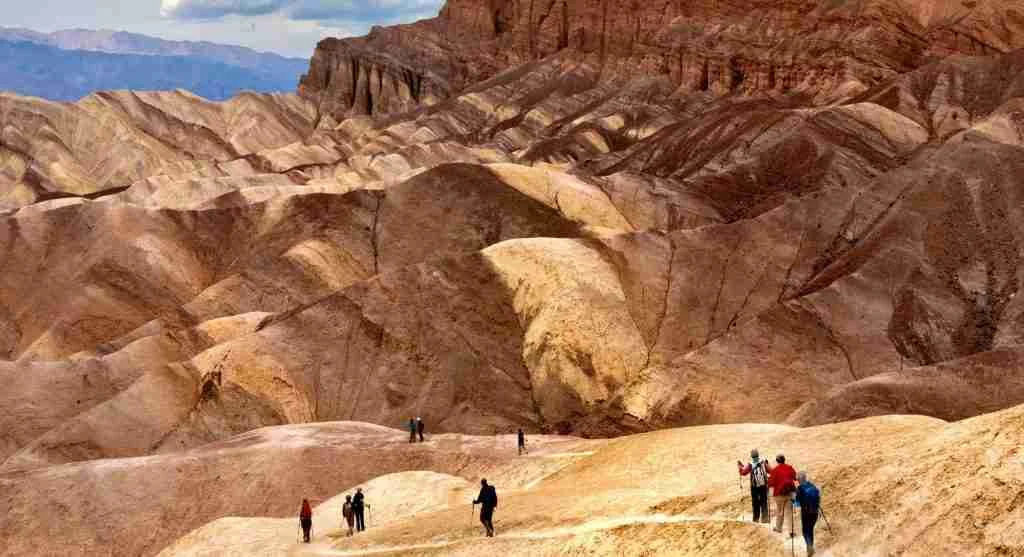
Outdoor educators often explain that surface changes can drain energy even when the route never becomes steep or technical. Soft sand patches are a good example because they interrupt normal walking without announcing themselves as major obstacles. Hikers often feel more tired on trails with soft sand patches because the body keeps losing clean forward movement and has to rebuild it again and again.
Why soft sand patches feel more tiring than they first look
One reason soft sand feels so tiring is that it changes the relationship between effort and progress. On firmer ground, each step usually gives the body a clear landing and a reliable push forward. On soft sand, part of that effort disappears into the surface. The foot sinks a little, grip changes, and the next step begins from a less stable base.
Outdoor instructors often explain that hikers usually notice this first as a feeling that the trail is suddenly less cooperative. The route may still be flat or gentle, but the body is now doing more work for the same amount of forward motion.
How soft footing weakens push-off
Soft footing weakens push-off because the ground gives way just enough to steal some of the energy that would normally move the body ahead. A step on packed dirt usually returns a clear stable response. A step in sand often absorbs part of that force. The result is a trail that feels slower even before the hiker fully identifies why.
Movement specialists often note that hikers do not need deep loose sand for this effect to matter. Even small soft patches repeated across a trail can quietly raise the cost of walking over time.
Why mixed surfaces break hiking rhythm
Many sandy trails are not fully sandy. They alternate between firmer sections and softer ones. That mixed pattern often makes fatigue worse because the body cannot settle into one walking rhythm. Just as the hiker regains steady movement on firmer ground, the next soft section interrupts it again. The trail keeps changing the rules of movement every few steps.
Outdoor coaches often explain that rhythm protects hiking energy. When a trail keeps breaking rhythm through uneven softness, the body often feels more tired than the route looks on paper.
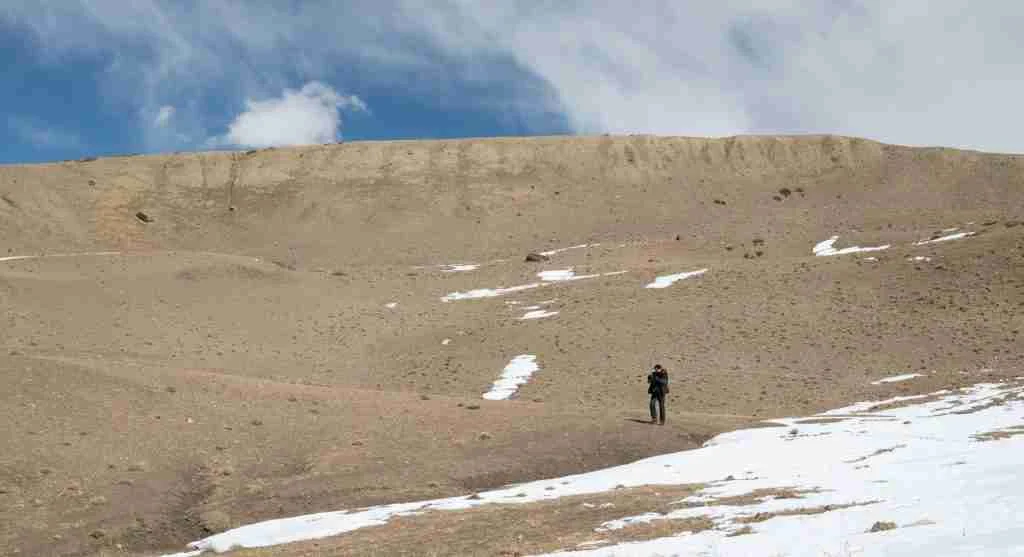
How soft patches make flat trails feel harder
Flat trails often get underestimated when sand is involved. Hikers see level ground and expect quick easy progress. Soft patches change that by making flat movement less efficient. There may be no climb to blame, yet the legs begin feeling heavier because the trail keeps absorbing more effort than expected.
Fitness specialists often explain that flat trails can still become tiring when the surface prevents smooth repeated steps. Sand often does exactly that. It does not need elevation to create fatigue. It only needs to keep weakening movement for long enough.
Why sandy patches often tire calves and hips first
Soft sand often affects the lower body in a very specific way. Calves, ankles, and hips usually begin working harder because the body is trying to stabilize each landing and recover from a weaker push-off. The hiker may not feel sharply uncomfortable, but the legs often stop feeling light much sooner than expected.
Outdoor guides often explain that this is why sandy routes can feel deceptively tiring. The body is not dealing with one dramatic section. It is dealing with repeated low-level instability that keeps asking the same muscles to do extra work.
Why the trail often feels slower without looking slower
Sand patches often create a strange mismatch between appearance and performance. The route may still look open and manageable, yet average pace quietly drops. That happens because the body keeps losing tiny pieces of momentum. Each soft landing seems minor, but the trail collects those losses across the full route.
Trail planners often note that sandy patches are easy to underestimate when judging time. The trail line may look simple, but the actual walking speed often ends up lower than hikers expect from distance alone.
How warm weather makes soft sand feel worse
Warm sun often makes sandy trails even more tiring. Open sandy sections usually offer less shade, and the surface itself often feels drier and more energy-draining under steady heat. The hiker is now dealing with weaker footing and warmer conditions at the same time. Even moderate routes can therefore feel much more expensive than expected.
Weather educators often explain that hikers often blame the heat or the trail surface separately when the real problem is both together. Soft footing plus warm exposure often creates a much bigger effect than either one alone.
Why the second half of the hike often reveals the true cost
Early in the hike, hikers often move across sand patches well enough that the route still feels manageable. Later, the same soft sections begin feeling much more tiring. The body has less extra strength to absorb weak push-off, and repeated rhythm breaks start feeling more frustrating. What seemed harmless in the first half now feels like real work.
Outdoor instructors often explain that this is common on mixed-surface trails. The real cost of sand often appears later because the body has been compensating quietly for a long time before it finally starts feeling the weight of that extra effort.
How hikers can move better on sandy patches
The best response is usually simple. Hikers often do better by shortening stride slightly, keeping pace steady, and avoiding the temptation to force the same rhythm they would use on firmer tread. It also helps to recognize the pattern early. Once hikers stop expecting clean firm push-off from soft ground, the trail often feels less frustrating and easier to manage.
Outdoor coaches often recommend thinking of soft sand patches as pace-adjustment zones rather than as ordinary trail. That small mindset shift often protects energy across the whole hike.
Why this matters for trail planning too
Many hikers plan around distance and elevation while giving less thought to how the surface behaves. Trails with repeated soft patches often deserve more time and more patience than firmer routes of similar length. Once hikers understand that, these trails feel more honest and much less surprising.
Outdoor educators often explain that good trail judgment comes from asking how the route actually walks. Soft sand patches are a perfect example. They rarely look dramatic, but they often change pace and energy far more than expected.
Frequently Asked Questions
Q: Why do soft sand patches make hikers feel more tired?
A: Because the surface absorbs part of each step, weakens push-off, and interrupts smooth walking rhythm over and over again.
Q: Are sandy patches a problem only on steep trails?
A: No. Even flat or gentle trails can feel tiring when sand keeps reducing clean forward movement and making the body work harder.
Q: Why do mixed firm-and-sandy trails feel especially slow?
A: Because the body keeps switching between two movement patterns instead of settling into one steady rhythm.
Q: What helps most on trails with soft sand patches?
A: Many hikers do better with shorter steps, steadier pace, and realistic expectations that soft footing will take more energy than firm ground.
Key Takeaway
Hikers often feel more tired on trails with soft sand patches because weak push-off, broken rhythm, and repeated small instability quietly drain energy. The trail may not look severe, but the body keeps paying extra for every soft step. When hikers respect that early, sandy routes become much easier to pace and understand.