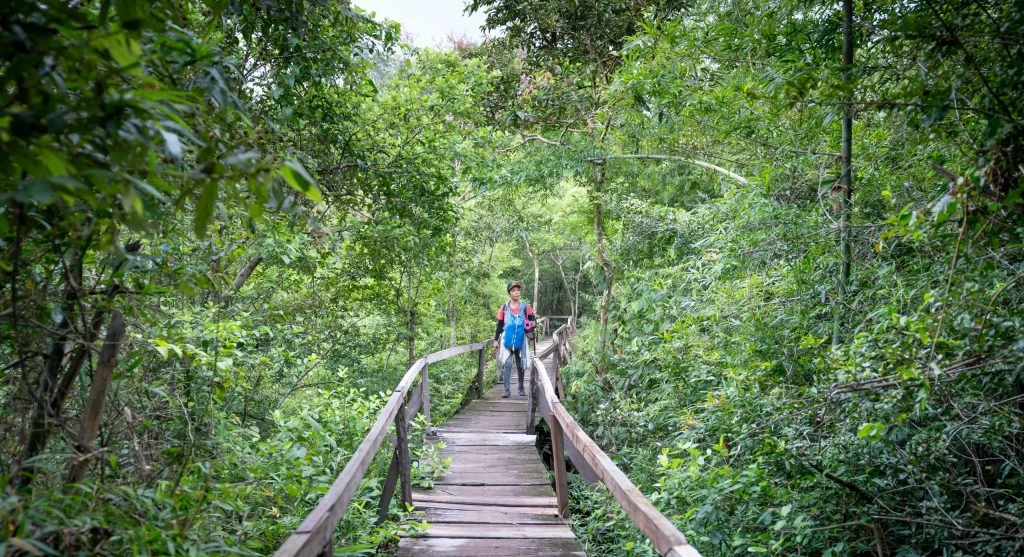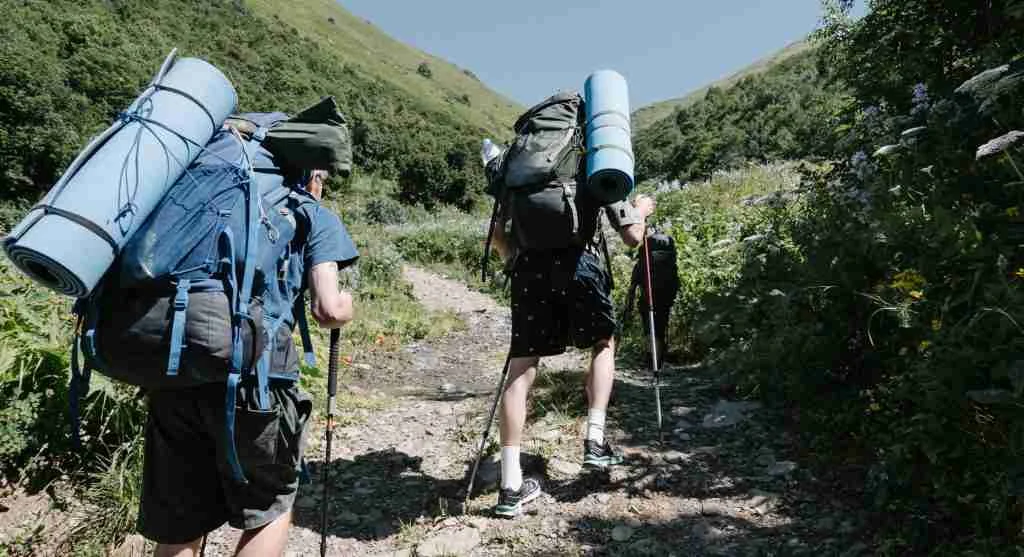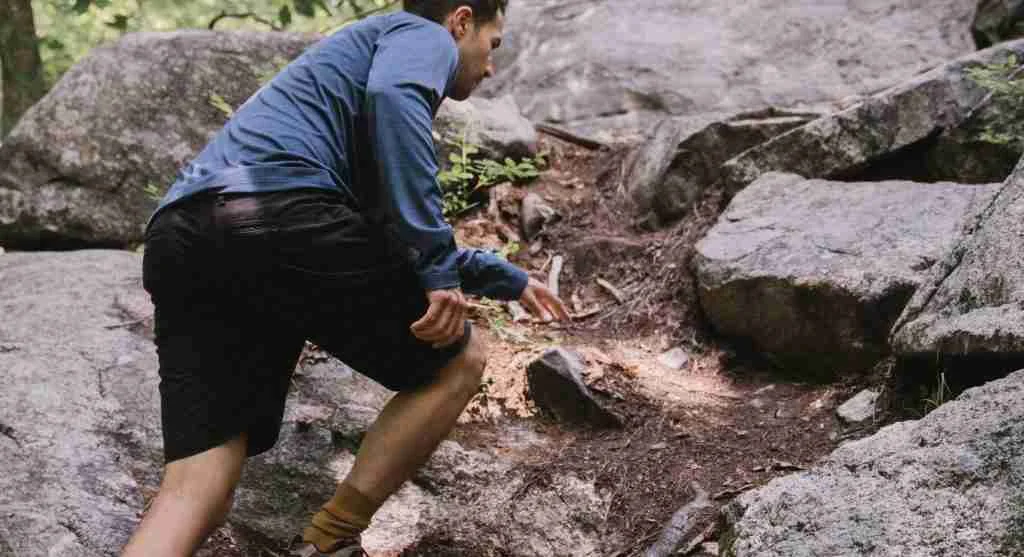

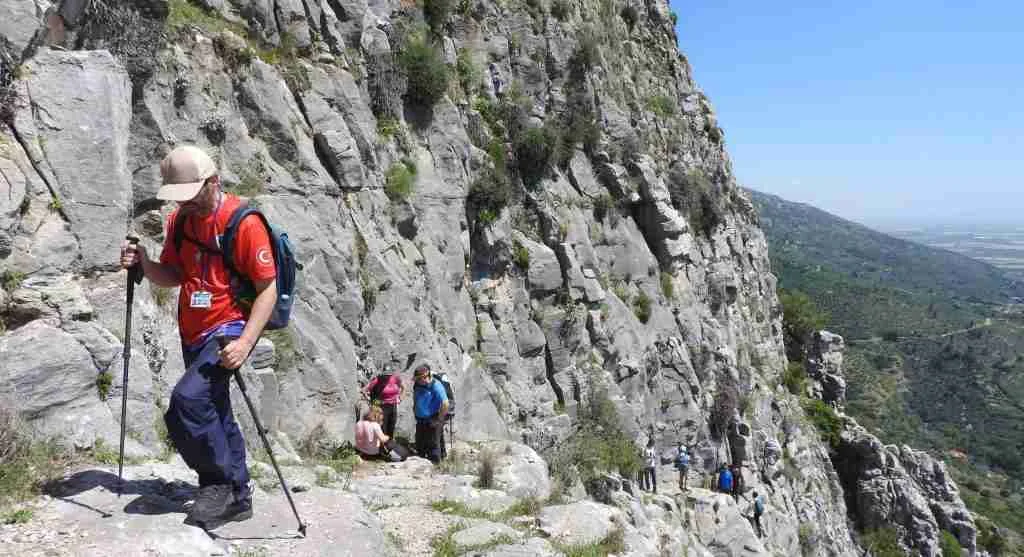
Outdoor educators often explain that hiking time is shaped as much by behavior as by terrain. On gentler trails, hikers often relax their timing awareness because the route feels forgiving. That comfort can be helpful, but it can also lead to hidden delays. This is why hikers often lose more time on gentle trails than they first expect, even when the trail never becomes obviously difficult.
Why gentle trails often look faster than they really are
One reason gentle trails look fast is that they remove the biggest warning signs hikers usually respect. There is no major climb forcing a slower pace, no long technical descent demanding caution, and often no dramatic terrain change that makes time loss easy to notice. Because the trail feels manageable, hikers naturally assume the day is moving well.
Outdoor instructors often explain that gentle terrain encourages optimism. The route feels easy enough that people expect everything to take less time, even while many small delays are already building in the background.
How easy terrain encourages hidden timing mistakes
Easy terrain often leads hikers to make small timing mistakes without realizing it. They may walk a little faster early, then pause a little longer at nice spots, then take an extra photo stop, then slow slightly without noticing once the body gets less fresh. None of these changes looks serious enough to matter. Together, they often change the whole day.
Trail planners often note that time loss on gentle routes usually happens in pieces. That is what makes it easy to miss. The trail does not clearly take time. It quietly allows hikers to spend it.
Why gentle trails often lead to longer pauses
One of the biggest reasons hikers lose time on gentle trails is that they pause more often and for longer than they would on a harder route. Because the body does not feel strongly challenged, stopping seems harmless. A short break near a creek, a few extra minutes at a meadow, or a slow walk through a scenic stretch often feels small. Later, those relaxed decisions often explain why the hike took longer than expected.
Outdoor coaches often explain that comfort changes how people use time. On demanding trails, breaks feel planned. On gentler trails, they often happen more casually, which makes them easier to underestimate.
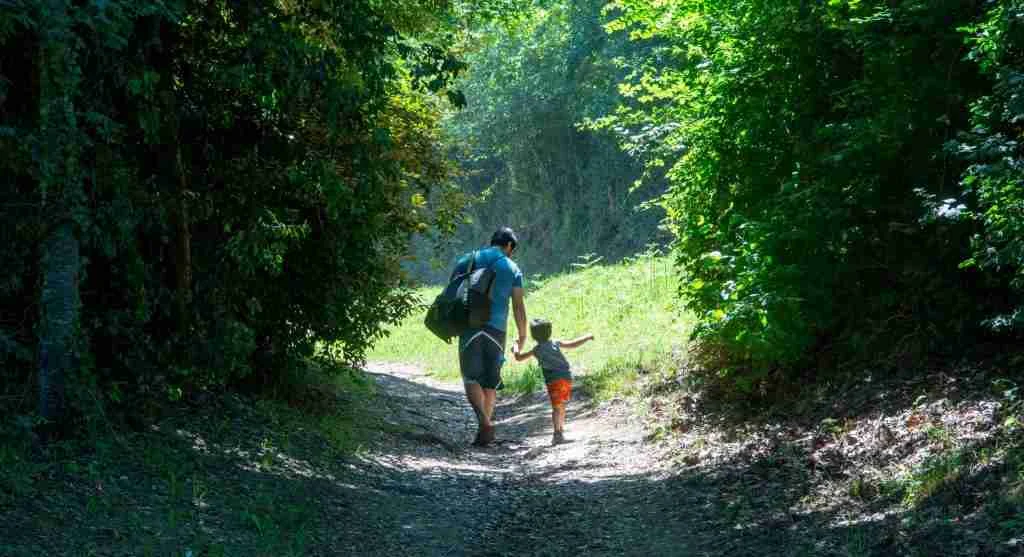
How relaxed pacing can still create slower overall progress
Gentle trail pacing often feels pleasant, but pleasant pacing is not always efficient pacing. Hikers may move well for a while, then drift into a slower rhythm because there is no obvious pressure to stay steady. On a tougher route, people often keep better timing simply because the trail demands more awareness. On a gentle route, that awareness often fades.
Fitness specialists often note that mild terrain can create a false sense of time safety. The hiker feels good, so the route seems quick, even while the average pace is quietly dropping.
Why repeated small distractions matter more on easy routes
Gentle trails often include more distractions that feel worth following. Wildflowers, shaded bends, bird activity, open views, stream crossings, benches, wider tread, and easy side spots all invite attention. That is part of what makes these hikes enjoyable. It also means they often collect more minor delays than hikers first realize.
Outdoor educators often explain that small distractions are most powerful when the trail feels safe enough to welcome them. A demanding trail keeps attention on movement. A gentle trail spreads attention outward, which often stretches the total time.
How route familiarity can also slow the day down
Familiar gentle trails often take longer than expected for another reason. Hikers may stop watching time carefully because the route feels known and manageable. That often leads to a more casual pace, more chatting, more wandering to trail edges, and less urgency around the return. The trail may be familiar, but the relaxed rhythm often makes the outing longer, not shorter.
Outdoor guides often note that familiarity can improve confidence while lowering time discipline. This is especially common on neighborhood nature trails, common loops, or easy forest walks that seem too simple to require much planning.
Why gentle trails can still create late fatigue
Another reason time gets lost is that hikers often do not notice fatigue early on gentler terrain. The route still feels easy enough that slower movement seems natural rather than concerning. Later, once the body starts feeling flatter or less interested in a strong pace, the trail may still look easy while the return begins taking more time than the early section suggested it would.
Fitness educators often explain that hidden fatigue often matters most on easy-looking routes because the trail does not create strong enough warning signs to force earlier adjustments.
How weather quietly changes timing on mild routes
Even gentle trails can lose time through weather. Warm air, humidity, soft ground after rain, light wind in exposed stretches, or repeated damp sections can all slow the body more than expected. Because the terrain itself looks easy, hikers often blame the clock later instead of noticing how much conditions shaped their pace all along.
Weather educators often explain that mild terrain does not cancel environmental cost. A gentle route under tiring conditions can still move slowly, especially once those conditions stay present for hours instead of minutes.
Why gentle routes deserve better timing respect
Many hikers plan carefully for difficult trails and loosely for gentle ones. That often gets the logic backward. Gentle trails can be surprisingly good at hiding where time goes. They deserve realistic pacing, honest turnaround thinking, and some awareness that easy movement does not always mean quick completion.
Outdoor instructors often explain that some of the easiest-looking hikes create the biggest timing surprises precisely because they never make hikers feel urgent enough to protect the day carefully.
How hikers can manage time better on gentle trails
The most useful adjustment is simple. Hikers usually do better when they treat gentle routes as real hikes instead of as automatically quick outings. That means noticing average pace, keeping pauses intentional, checking time before adding extra distance, and remembering that easy ground often hides slower overall progress.
Outdoor coaches often recommend asking one quiet question every so often: is the trail moving quickly, or does it only feel easy? That question often catches hidden time loss before the return starts feeling later than planned.
Why understanding this makes easy hikes more enjoyable
Once hikers understand why they lose time on gentle trails, those hikes become easier to enjoy without surprise. The route no longer feels like it somehow stole time. It simply makes relaxed choices easier, and those choices shape the day. Better awareness does not reduce the enjoyment of a gentle hike. It usually makes the experience smoother because timing feels more honest from start to finish.
Outdoor educators often explain that good trail awareness includes knowing when the route is quietly influencing behavior. Gentle trails do that especially well. They do not force mistakes. They simply make them easy to drift into.
Frequently Asked Questions
Q: Why do gentle trails often take longer than expected?
A: Because easy terrain encourages relaxed pacing, longer pauses, and small delays that are easy to overlook until they add up.
Q: Are gentle trails harder to time than steep trails?
A: Sometimes yes, because steep trails force awareness while gentle routes often hide where time is being spent.
Q: Why do hikers stop more on easy trails?
A: Comfortable terrain makes breaks, photos, chats, and scenic pauses feel harmless, so they happen more casually and often last longer.
Q: What helps most with timing on gentle routes?
A: Many hikers do better by checking time more intentionally, keeping breaks purposeful, and remembering that easy movement does not always mean fast progress.
Key Takeaway
Hikers often lose more time on gentle trails than they expect because easy terrain encourages relaxed choices that quietly stretch the day. The route may feel simple, but longer pauses, softer pacing, and small distractions often matter more than people realize. When hikers respect gentle trails as real timing challenges, the whole outing becomes easier to plan well.