


Outdoor educators often explain that hiking comfort depends on mental space as well as physical effort. Psychologists and trail guides also note that constant sound can quietly increase attention load, which makes ordinary walking feel less restful over time. This is why hikers often feel more tired after noisy trail sections even when the route itself did not become dramatically harder underfoot.
Why noise changes the feel of a hike
One reason noise affects a hike so strongly is that it changes how settled the body feels while moving. Quiet trails often allow hikers to relax into the route. The mind stops checking so many things, breathing feels calmer, and the whole experience seems smoother. A noisy section often does the opposite. Even when the hiker keeps moving at the same speed, the body may never feel fully at ease.
Outdoor instructors often explain that hiking is easier when the environment supports a steady mental rhythm. Noise interrupts that rhythm by keeping attention slightly more active than hikers realize in the moment.
How hiking mental fatigue builds on noisy routes
Hiking mental fatigue often grows quietly. A hiker may not feel annoyed enough to stop or turn around, but the body still keeps processing the sound. Constant traffic noise, repeated shouting, nearby machinery, or strong rushing water can all make the trail feel less restful. Over time, that extra mental work often makes the hike feel heavier than a quieter route of the same length.
Outdoor psychologists often note that the brain rarely treats ongoing sound as completely meaningless background when it keeps changing or competing with movement. Even mild repeated noise can make the body feel as though it never fully settled into a comfortable trail state.
Why steady noise can feel more tiring than short loud moments
Short loud moments are easy to notice and easy to explain. Steady noise often feels more tiring because it stays present without creating one dramatic event. The hiker keeps moving, so it seems manageable. Still, the body keeps carrying that background sound for much longer than expected. By the time the trail becomes quieter, the fatigue often feels surprisingly real.
Outdoor coaches often explain that steady low-level strain often feels worse than brief obvious strain because it stays just small enough to ignore while still taking something from the body the whole time.
How noise breaks calm walking rhythm
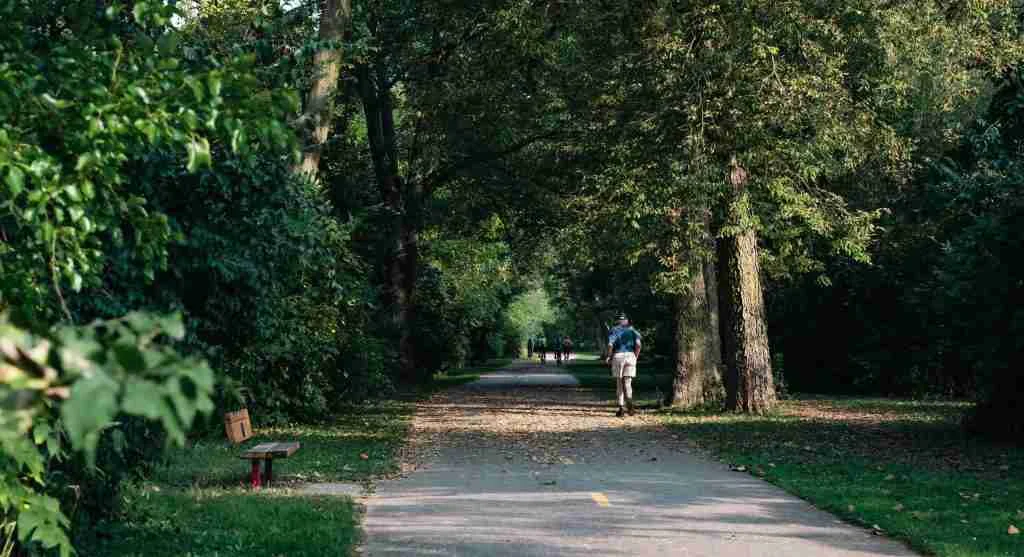
Walking rhythm is not only about steps. It is also about how the body settles into the environment around those steps. Quiet sections often allow hikers to move with less tension in the shoulders, jaw, and attention. Noisy sections can subtly disturb that calm. The hiker may keep scanning, listening, adjusting, or feeling less relaxed without fully noticing those changes.
Movement specialists often explain that when calm rhythm breaks, physical effort often feels larger. The trail may be the same, but the body is not experiencing it with the same level of ease.
Why crowded sound can feel heavier than natural sound
Not all noise feels the same. Natural sound, such as birds or light water movement, often blends into the hiking experience more easily. Human-made or crowded sound often demands more attention because it feels less predictable and more intrusive. A trail near roads, busy picnic areas, loud groups, or repeated mechanical noise often becomes mentally tiring more quickly than a similarly noisy route shaped by gentler natural sound.
Outdoor educators often explain that predictability matters. Sound that feels irregular, harsh, or socially demanding often uses more attention than sound that the body reads as part of a stable natural setting.
How strong rushing water can still create fatigue
Even natural sound can become tiring when it stays loud for too long. A trail beside strong rushing water can feel beautiful but still mentally busy. The constant roar may make conversation harder, reduce the feeling of quiet space, and keep the mind working just enough that the body never fully relaxes. Hikers may enjoy the scenery and still feel more tired afterward than they expected.
Trail guides often note that some scenic sections are tiring not because they are unpleasant, but because they remain intense. The body sometimes needs quiet to recover, even in beautiful places.
Why noisy sections feel worse later in the hike
Later in the day, noise often feels more expensive because the body already has less spare patience and less mental freshness. A sound that seemed manageable earlier may feel much more tiring once the legs are heavier and the route has already taken time and energy. This is one reason hikers sometimes find the same noisy section much more draining on the return.
Fitness specialists often explain that fatigue lowers tolerance for small environmental strain. Once the body is already working harder, constant sound often feels like one more thing the hike is asking it to carry.
How noise changes time perception on the trail
Noise can also change how long a section feels. Quiet trails often make time pass more naturally because the body settles into a calmer state. Noisy trails often feel longer because the hiker notices the environment more actively and receives fewer moments of true rest. Even if pace does not change much, the section may still feel stretched.
Outdoor psychologists often note that mental load changes distance perception. A trail that is not peaceful often feels less efficient, and that often makes the same mileage feel longer than it would in quieter conditions.
How hikers can manage noisy trail sections better
The most useful adjustment is often simple awareness. Hikers do better when they stop assuming the route feels harder only because of terrain. If a section is noisy, it may deserve a slightly calmer pace and more realistic expectations. Shorter mental goals, steadier breathing, and simple acceptance that the environment is using attention can make the route feel less frustrating.
Outdoor instructors often recommend noticing the change when the trail becomes quiet again. If the body suddenly feels calmer and the walking feels easier without a terrain change, the noise was likely a real part of the earlier fatigue.
Why this matters for trail planning too
Many hikers choose routes for scenery and mileage while giving less thought to sound conditions. Yet trails near highways, waterfalls, crowded recreation areas, or exposed windy ridges can feel more draining than quieter routes of similar distance. Once hikers understand that, many trail experiences make more sense and later fatigue feels less mysterious.
Outdoor educators often explain that trail quality is shaped by more than views and elevation. Sound matters too. A route can be beautiful and still feel tiring if the body never gets the quieter mental space that often makes hiking feel restorative.

Frequently Asked Questions
Q: Why do noisy trail sections feel more tiring?
A: Because constant sound increases attention load and reduces the calm mental rhythm that often makes hiking feel easier.
Q: Can natural noise like rushing water also be tiring?
A: Yes. Even beautiful natural sound can feel mentally busy if it stays loud and intense for a long stretch.
Q: Are noisy trails physically harder?
A: Not always in a terrain sense, but they can still feel harder because mental fatigue often makes physical effort feel heavier.
Q: What helps most on noisy trails?
A: Many hikers do better with calmer pace, realistic expectations, and awareness that the sound itself may be adding to fatigue even if the tread stays moderate.
Key Takeaway
Hikers often feel more tired after noisy trail sections because sound can quietly drain mental energy even when the terrain stays moderate. Constant noise reduces calm rhythm, increases attention load, and makes steady effort feel heavier over time. When hikers recognize that early, the whole route becomes easier to understand and pace well.