
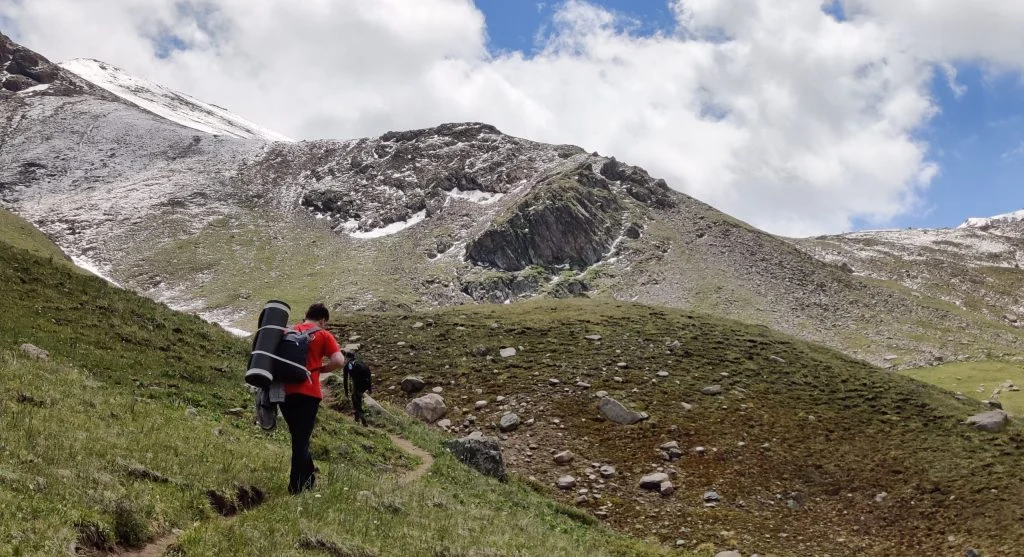
Outdoor educators often explain that wind can quietly shape hiking effort in ways people underestimate. Weather specialists also note that hikers often recognize wind best by contrast rather than by constant awareness. This is why many people miss how much wind is slowing them until the trail turns and the body immediately feels the difference.
Why wind often feels less obvious than it should
One reason wind gets underestimated is that it often becomes part of the background. If it has been present for several minutes, the body begins treating it as normal trail conditions instead of as a separate challenge. Hikers may feel slightly more tired, but they do not always connect that tiredness to the steady air pushing against them.
Outdoor instructors often explain that hikers usually notice stronger change better than steady pressure. A steep hill announces itself clearly. A steady headwind often does not. It simply keeps asking the body to work a little harder with every step.
How wind changes hiking pace without dramatic warning
Wind and hiking pace are closely connected because steady air resistance affects forward movement even when the terrain looks simple. A hiker may shorten stride slightly, lean forward a little more, or push harder through each step without fully realizing it. These small changes often slow pace before the hiker consciously decides to slow down.
Movement specialists often note that the body adapts to wind quietly. It changes posture and effort just enough to keep moving. That adaptation helps in the moment, but it also hides the fact that the route is costing more energy than it seems to be costing.
Why exposed trail effort feels different from sheltered walking
Exposed trail effort is often shaped by the environment as much as by the tread itself. A flat open section with steady wind can feel more tiring than a slightly rougher sheltered section because the body is constantly meeting resistance. Trees, rock walls, ridges, and bends often block some of that force. When protection disappears, effort often rises even if the trail surface stays mostly the same.
Outdoor guides often explain that this is why two nearby trail sections can feel very different despite similar mileage and footing. Shelter often removes work that hikers never fully counted while they were doing it.
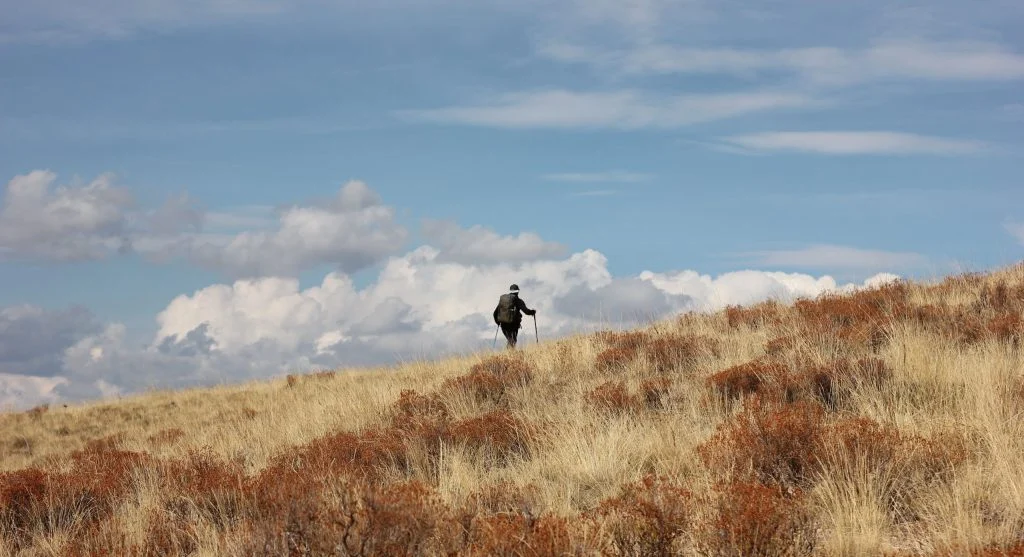
How hikers finally notice wind by contrast
The clearest moment often comes when the trail turns. A bend may place the wind to one side instead of directly ahead, or a grove of trees may suddenly block it. At that point, hikers often feel immediate relief. Steps get lighter, breathing feels easier, and the route seems simpler without any major change in slope or surface. That contrast reveals how much the wind had been taking all along.
Outdoor coaches often explain that relief is often the best proof of hidden effort. If the trail suddenly feels easier without becoming flatter or smoother, the body was likely working against something environmental that it had stopped actively noticing.
Why headwinds feel different from crosswinds on the trail
Not all wind affects hikers the same way. A headwind often drains energy by resisting forward progress directly. A crosswind may not slow pace as much, but it can still affect balance and comfort, especially on exposed ridges or narrow tread. Hikers may therefore feel a trail turn easier for more than one reason. The wind may not only weaken. It may also stop hitting the body in the most tiring direction.
Weather educators often note that direction matters almost as much as strength. A moderate wind in the wrong direction can feel more tiring than a stronger wind that arrives from an angle the body handles more easily.
How wind affects breathing more than hikers expect
Many hikers first notice wind through the legs, but breathing often tells the clearer story. A headwind can make normal pace feel less relaxed, especially on open climbs or longer exposed traverses. The body may not feel overheated or steeply challenged, yet breathing still seems slightly more active than the trail appears to deserve.
Fitness educators often explain that this creates confusion because hikers naturally look at the ground first for explanations. When the trail looks moderate, they may not realize the air itself is part of the effort equation.
Why open views can hide the cost of wind
Open viewpoints and ridge sections often feel dramatic and exciting, which can make the wind seem less important than it really is. The scenery holds attention, and the trail may look visually clear. Yet the body may still be leaning, bracing, and working harder than it would on a quieter forest section. This is one reason exposed routes sometimes feel more tiring than they look on paper.
Outdoor psychologists often note that beautiful open terrain can distract hikers from the source of effort. The trail feels bigger and more memorable, but that same openness often exposes the body to wind for longer stretches with less natural relief.
How wind becomes more noticeable later in the hike
Early in a hike, the body often has enough reserve to handle wind without much complaint. Later, the same wind feels more expensive. A headwind that seemed manageable in the first hour may feel far more tiring once the legs are less fresh and the return still lies ahead. This often makes hikers think conditions worsened suddenly, when the body may simply have less extra strength left.
Outdoor instructors often explain that the second half of a hike often reveals what the first half quietly absorbed. Wind is one of those conditions that becomes much more obvious once energy margin starts narrowing.
How hikers can respond better on windy trails
The best response is usually calm and early. Hikers often do better when they accept that wind deserves pacing respect just like heat or climbing does. A slightly slower rhythm, steadier breathing, and more realistic expectations for exposed sections usually help right away. The goal is not to fight the wind harder. It is to stop pretending the trail is asking for ordinary effort when it is not.
Outdoor guides often recommend using the next sheltered section as information. If the trail suddenly feels much easier behind trees or after a bend, the wind was likely costing more than it seemed. That insight can improve the pacing of the rest of the hike.
Why understanding wind makes route planning smarter
Many hikers plan around mileage, elevation, and temperature, but steady wind can change trail effort almost as much as any of those factors. Open ridges, meadows, lake edges, and high exposed traverses often deserve more respect than their map line suggests when windy conditions are likely. Once hikers understand that, many tiring routes make much more sense.
Outdoor educators often explain that strong trail planning includes asking not only where the trail climbs, but also where the trail will be fully exposed. Wind often becomes most tiring where the route removes all protection and asks the body to keep moving into open air for long stretches.
Frequently Asked Questions
Q: Why do hikers often miss how much wind is affecting them?
A: Because steady wind becomes part of the background and the body adapts quietly, which makes the added effort harder to notice until conditions change.
Q: Why does the trail suddenly feel easier after a turn?
A: A bend or sheltered section often changes the wind direction or blocks it, removing some of the constant resistance the body had been working against.
Q: Is wind mainly a problem on steep trails?
A: No. Even moderate or flat exposed trails can feel much harder when wind is steady and there is little shelter.
Q: What helps most on windy trail sections?
A: Many hikers do better by slowing slightly, settling into a steadier pace, and treating exposed windy sections as a real source of effort instead of ignoring them.
Key Takeaway
Hikers often miss how much wind is slowing them until the trail turns because steady wind hides its cost while the body quietly adapts. The easiest proof often comes when shelter or a change in direction makes walking suddenly feel lighter. Once hikers recognize wind as real trail effort, they usually pace exposed sections much more effectively.