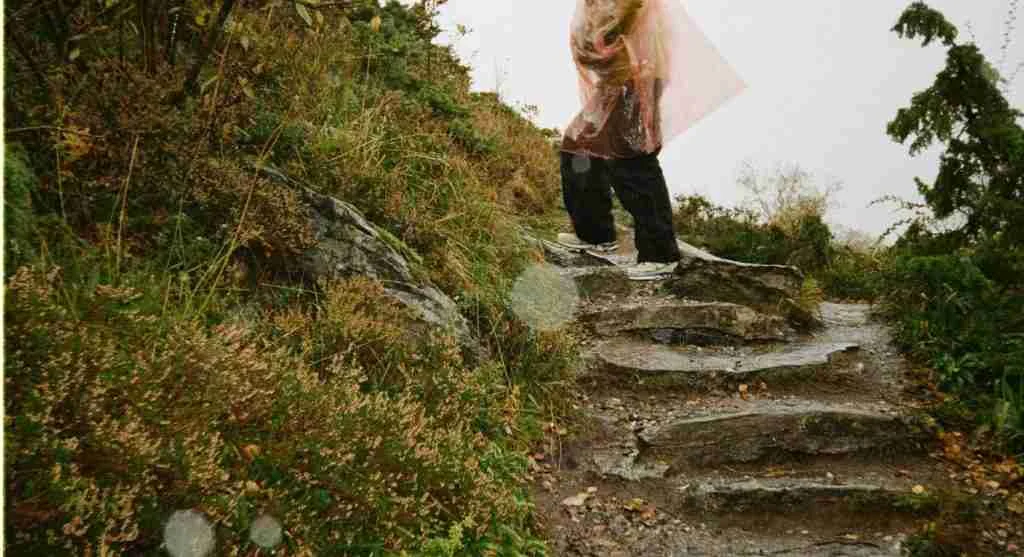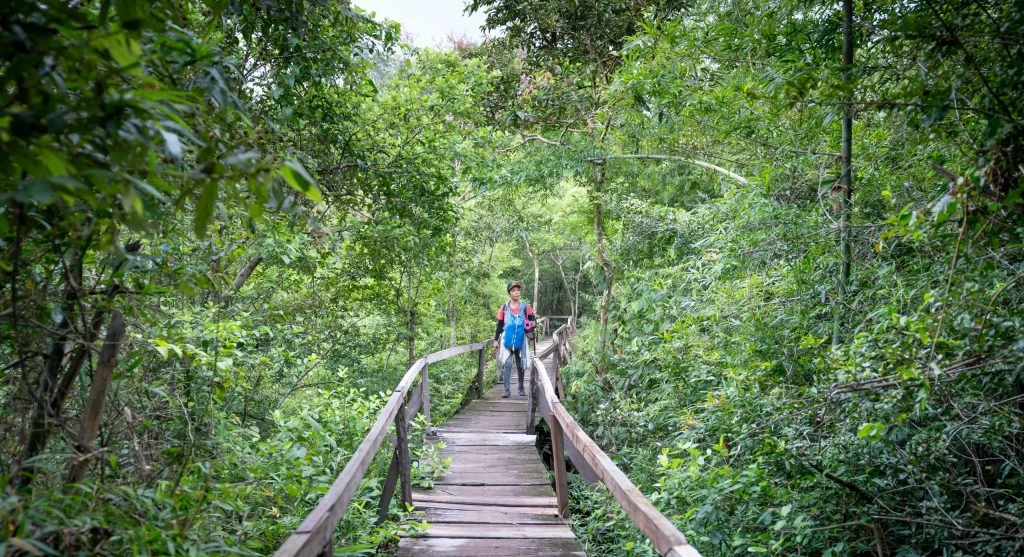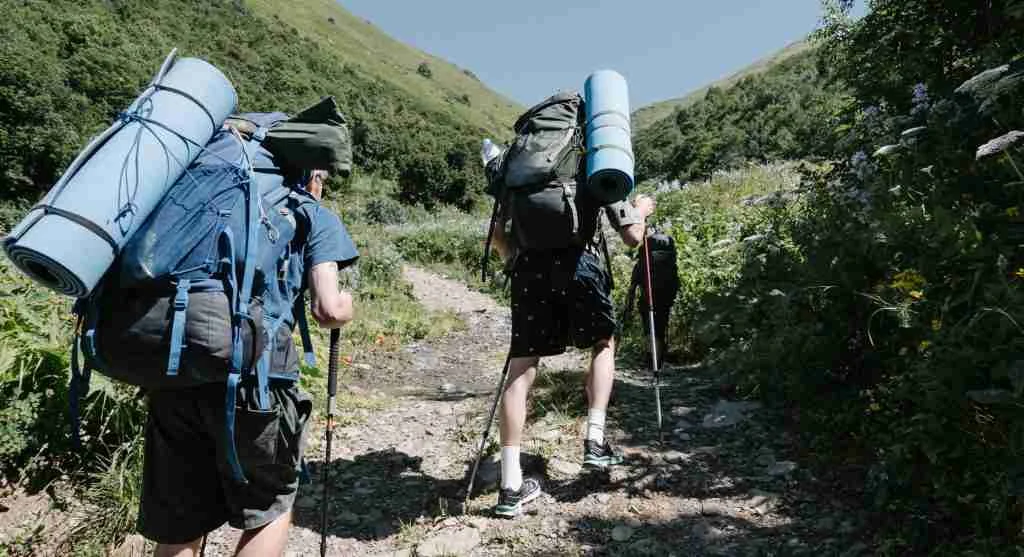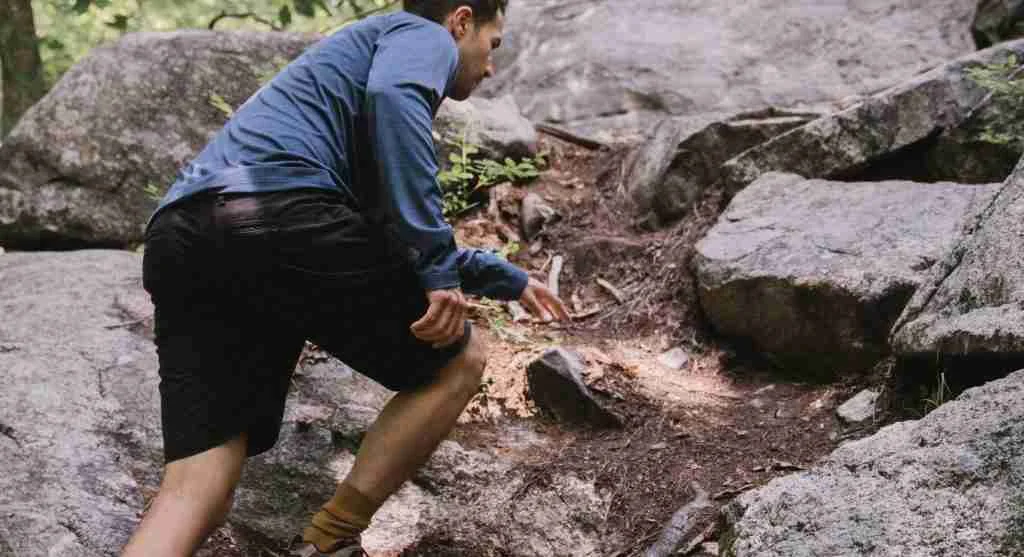

Outdoor educators often explain that this feeling usually has less to do with dramatic weight change and more to do with repeated movement. Footwear specialists also note that hikers often feel their boots getting heavier long before the pack feels harder because every step depends on the feet lifting, landing, balancing, and pushing off again. When trail conditions make that cycle less efficient, the change often shows up in the boots first.
Why boots often feel heavier before the pack does
One reason boots feel heavier earlier is simple. They move constantly. A backpack adds load to the body, but the boots must be lifted again and again with every step. That repeated motion means even a small increase in foot effort can become noticeable very quickly on the trail.
Outdoor instructors often explain that hikers do not usually feel this as true boot weight at first. Instead, they notice that steps are less light and less smooth. The pack may still sit comfortably on the shoulders while the feet begin doing more work than they were doing at the start.
How repeated lifting changes trail leg effort
Walking on trails is different from walking on flat even ground because the feet are rarely doing the exact same thing twice. They lift over roots, settle onto uneven rock, adjust on loose dust, and push through soft ground. That repeated variety often makes the lower legs work harder than hikers realize. Over time, the boots begin feeling heavier because the legs are no longer lifting them with the same easy rhythm.
Movement specialists often note that hikers usually notice this first through reduced smoothness rather than through sharp pain. The body still works, but each step starts costing a little more than it did earlier. When that cost keeps repeating, the boots often feel heavier even if nothing obvious has changed.
Why moisture makes boots feel heavier so quickly
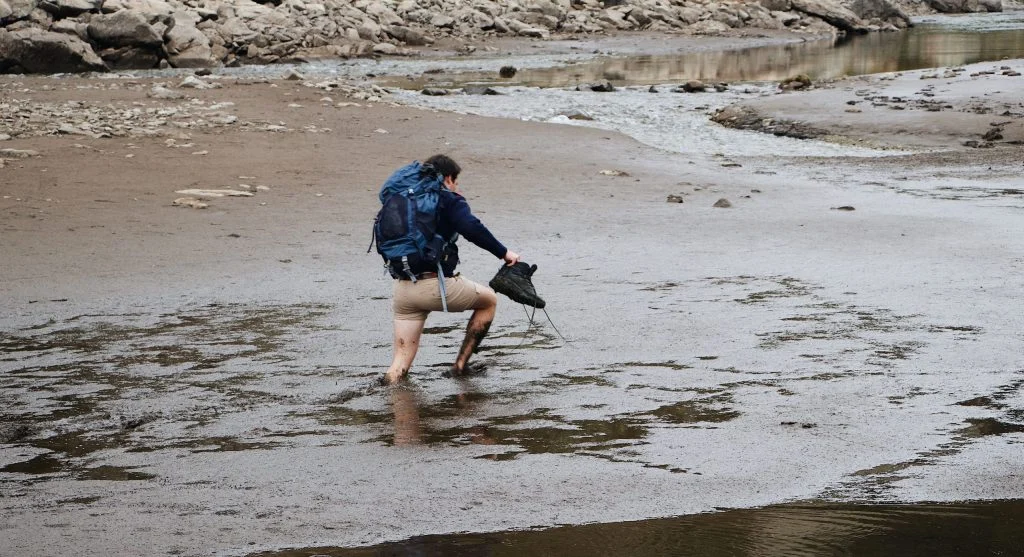
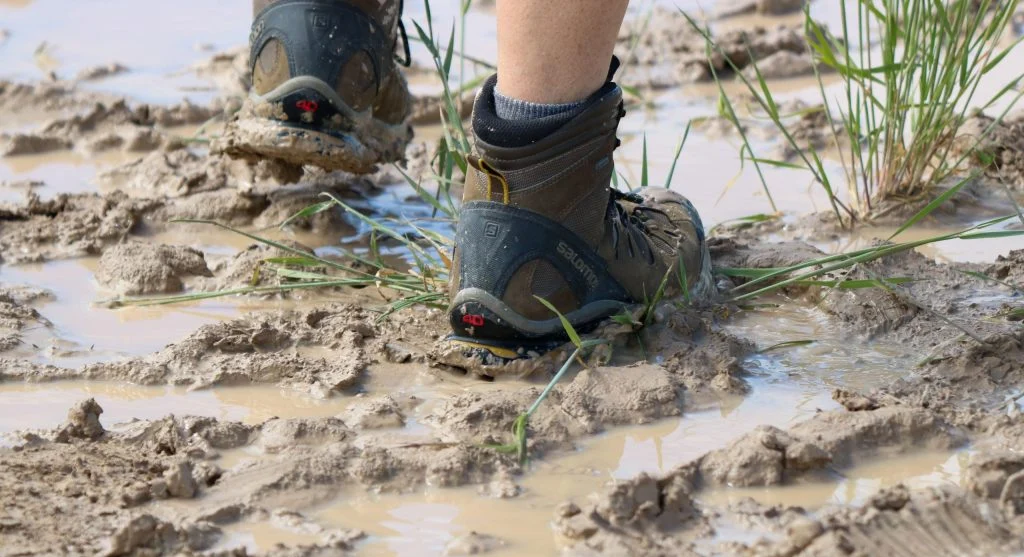
Moisture is one of the biggest reasons this feeling appears. Morning dew, damp grass, shallow crossings, wet mud, sweat, or spring trail conditions can all change how boots feel. Even when the footwear does not seem soaked, a little extra dampness often makes each step feel less light. The foot may move less freely inside the boot, the material may feel less responsive, and the body may begin treating the footwear as more effortful than before.
Outdoor guides often explain that hikers sometimes underestimate how much mild wetness matters. The boots do not need to be visibly waterlogged to start feeling different. Small changes in moisture often show up through heavier-feeling steps long before hikers identify dampness as the real cause.
How rough footing makes boots feel less efficient
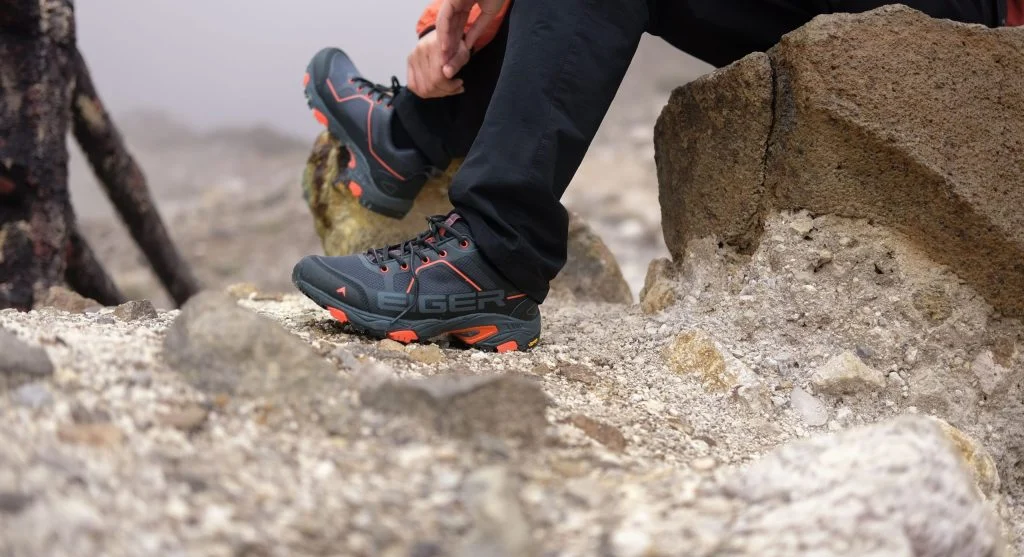
Rough footing often adds to the problem because it keeps the feet from using one easy repeated pattern. On smooth tread, boots can move with a more natural forward roll. On rocky, root-filled, or broken ground, that roll gets interrupted. The body keeps lifting, checking, and correcting. This does not always feel dramatic in the moment, but it often makes the footwear feel heavier over time because each step becomes more controlled and less free.
Trail safety specialists often explain that hikers often blame distance first. Sometimes the better explanation is efficiency loss. The boots are not necessarily heavier in any literal way. The trail is simply making them more expensive to move.
Why descents often make heavy-boot feeling worse
Downhill sections often make boots feel heavier because the feet are not only moving forward. They are also helping control speed and braking. On descents, boots must land more carefully and support more short corrections. That extra control often makes the lower legs feel tired faster, which can make the footwear seem heavier than it felt on flatter sections.
Fitness specialists often explain that many hikers associate fatigue mostly with climbing. Downhills often tell a different story. A long descent can make the feet and shins work so steadily that the boots begin feeling like a bigger burden than the pack above them.
How dust and loose ground add hidden effort
Dust, fine gravel, and slightly loose surfaces often add hidden effort because they reduce clean push-off. A boot that cannot trust the ground fully usually demands more from the ankle and calf. The hiker may not think much about it at first, but after many minutes of weaker push-off the feet begin feeling heavier and slower.
Outdoor educators often note that this is why dry trails can still feel tiring in a footwear-specific way. The route may look easy enough, but reduced traction quietly steals the easy rebound that makes walking feel light.
Why tired feet often change how the whole trail feels
Once the feet begin feeling heavy, the entire route often seems harder. That happens because the feet shape every step of the day. If they stop feeling efficient, the trail seems longer, rougher, and less inviting. A pack can still feel fine on the shoulders while the hike itself feels more tiring because the movement base has lost some of its comfort.
Outdoor coaches often explain that hikers often misunderstand this moment. They think the whole body suddenly became tired at once. In many cases, the lower legs and footwear simply reached their limit first, and the rest of the hike began feeling heavier because movement itself no longer felt easy.
How boot fit and lace tension can add to the problem
Boot fit also matters. Laces that are slightly too loose can make the foot work harder to stay stable. Laces that are too tight can make the boot feel stiff and less natural over time. Minor fit issues often seem small at the trailhead but become much more noticeable later, when many repeated steps turn a tiny inefficiency into real fatigue.
Footwear specialists often explain that hikers do not need severe discomfort for fit to affect effort. A boot can feel “mostly fine” and still become tiring after hours of movement if it asks the foot to do more holding and adjusting than it should.
How hikers can respond when boots start feeling heavier
The best response is usually practical and early. Slow slightly, notice whether the trail has become rougher or looser, check whether moisture or fit may be playing a role, and give the lower legs a chance to settle. Sometimes a brief adjustment in lacing, a sock check, or simply a calmer pace for the next stretch makes a noticeable difference.
Outdoor instructors often recommend treating the heavy-boot feeling as useful information rather than as something to ignore. It usually means the feet are doing more work than before, and that usually deserves a small change before the rest of the hike starts feeling harder too.
Why understanding this makes pacing smarter
Once hikers understand why boots often feel heavier before the pack does, many trails begin making more sense. The issue is rarely only the footwear itself. It is usually the combination of trail surface, moisture, fit, fatigue, and repeated lifting. That perspective helps hikers pace more realistically and respond earlier instead of waiting until the whole hike feels drained.
Outdoor educators often explain that strong trail awareness begins with noticing where effort is really building. Sometimes the shoulders are still fine while the feet are already telling the full story. Listening to that early signal often makes the rest of the route much easier to manage.
Frequently Asked Questions
Q: Why do boots feel heavier before a backpack feels harder?
A: Because boots must be lifted and controlled with every single step, while the pack stays carried in one general position. Repeated foot effort often shows up first.
Q: Can dampness really make boots feel heavier?
A: Yes. Even mild moisture can change how boots move and how the feet work inside them, which often makes steps feel less light and efficient.
Q: Do rough trails increase this feeling?
A: Often yes. Rough or loose footing interrupts smooth movement and makes the feet and lower legs work harder, which can make boots seem heavier over time.
Q: What should hikers do when boots start feeling heavy?
A: Many hikers do better by slowing slightly, checking fit or moisture issues, and treating the feeling as a useful sign that the feet are working harder than before.
Key Takeaway
Key Takeaway: Hikers often feel their boots getting heavier before the pack feels harder because the feet and lower legs are doing repeated work on every step. Moisture, rough footing, fit issues, and trail fatigue can all make footwear feel more expensive to move long before the shoulders complain. Noticing that early usually leads to smarter pacing and a much easier second half of the hike.