
Outdoor educators often explain that return navigation problems rarely begin on the return itself. They often begin much earlier, when hikers move outward without paying attention to how important landmarks relate to direction. Search and rescue trainers also note that the easiest way to make a return feel less confusing is to notice landmark direction on the way out before fatigue, changing light, and reversed viewpoints make the route feel less intuitive later.
Why the return trail often feels different than expected
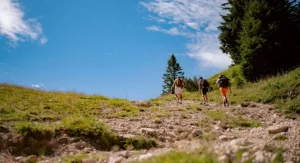
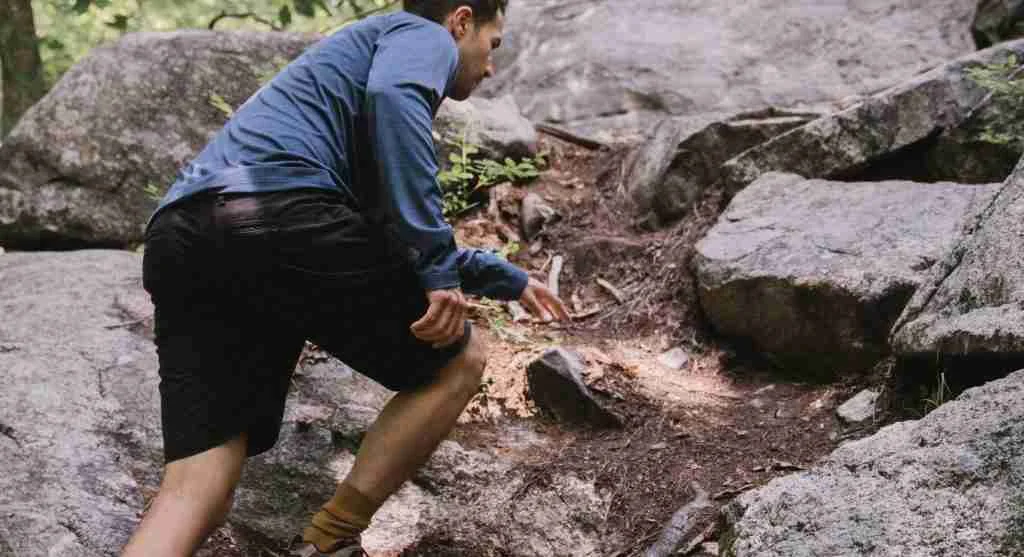
One reason the return feels different is that the eye is no longer seeing the trail from the same angle. On the outward route, a large tree may sit clearly to the right of the path, a rock wall may guide movement from one side, or a distant opening may act like a quiet visual anchor. On the way back, those same features appear from the opposite direction and often lose the shape or meaning they had earlier.
Outdoor instructors often explain that hikers tend to remember places as forward-moving experiences rather than as two-way visual systems. That is why a familiar trail can suddenly feel less familiar once the body turns around and the route begins arriving in reverse.
How landmark direction helps more than landmark recognition alone
Recognizing a landmark is helpful, but direction matters just as much. A hiker may remember a footbridge, a split boulder, or a leaning pine and still feel unsure if the landmark is not connected to a clear sense of where the trail moved relative to it. Knowing that a big rock sat below the trail, that a stream stayed on one side, or that a sign appeared just after a left bend often helps much more than simply remembering that the object existed.
Navigation specialists often note that trail memory works better when landmarks are linked to movement, not only to appearance. A remembered object becomes far more useful when hikers also remember how they passed it.
Why hikers often ignore landmark direction on the way out
Most hikers ignore landmark direction because the outward trail feels easy enough that extra attention seems unnecessary. The path is clear, energy is good, and the mind is focused on reaching the viewpoint, lake, ridge, or turnaround point ahead. In that setting, it is easy to assume the return will take care of itself.
Outdoor guides often explain that this is one of the most common route-awareness mistakes. People rarely skip landmark awareness because they do not understand its value. They skip it because nothing about the outward trail makes navigation feel urgent yet.

How fatigue changes route memory on the way back
Fatigue often reduces how clearly hikers read the trail on the return. A body that was fresh and curious on the way out may be more focused on finishing on the way back. Small signs, side paths, and directional clues become easier to miss when the mind wants a simple answer and the legs want the trail to end.
Fitness educators often explain that this is why early awareness matters so much. A hiker who noticed landmark direction while fresh usually has something more solid to rely on later, when the body has less patience for uncertainty.
Why changing light makes landmarks feel less obvious
Light changes can make the same landmark look surprisingly different. A tree line that stood out in morning side light may flatten in afternoon brightness. A rock face that was dark and easy to identify earlier may look washed out later. Openings in the forest, shadow lines, and even trail color can change enough that the route feels less familiar than expected.
Outdoor weather educators often note that hikers often underestimate how much lighting helps recognition. When direction and light both change, the return trail can feel far less obvious than the outward trail did, even though the route itself has not changed at all.
How side trails become more believable in reverse
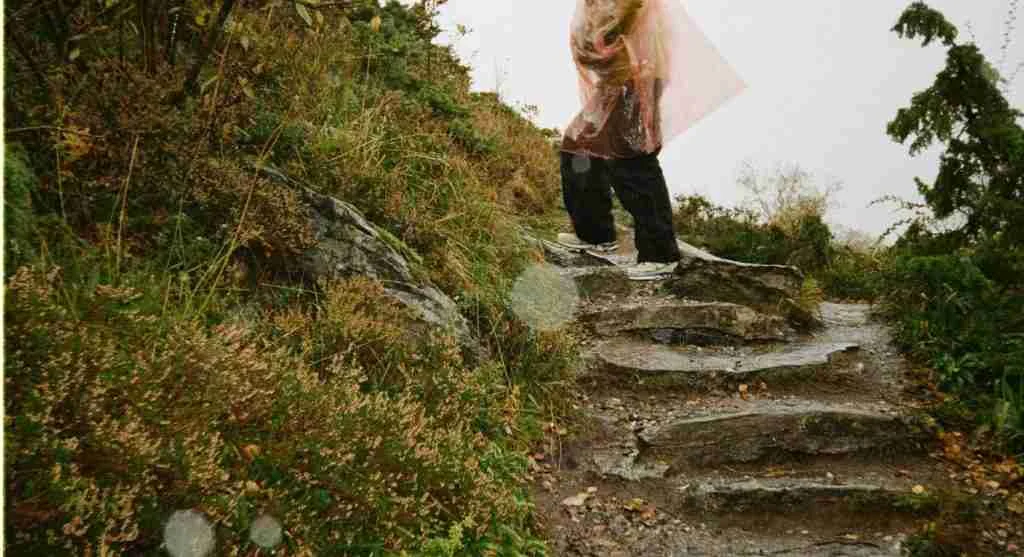
Small side trails often feel more convincing on the return because they now arrive from an angle that makes them look more natural than they did before. A turn that was clearly wrong from one direction may look reasonable from the other. This is where landmark direction becomes especially useful. A hiker who remembers that the main route passed above a log pile or kept the creek on a certain side is much less likely to trust a believable but wrong turn.
Trail safety specialists often explain that many wrong turns on familiar or semi-familiar routes happen because the trail in reverse offers a different visual story. Landmark direction helps keep that story grounded in actual route memory rather than guesswork.
Why broad landmarks are often better than tiny details
Small details can help, but broad directional landmarks often help more. A hillside dropping away on one side, a stream crossing angle, a fence line, a large dead tree, a rock outcrop, or the way a trail curves around a visible feature often stays more useful than tiny details like one root shape or one patch of flowers. The best landmarks often hold their identity even when the trail is seen from the opposite direction.
Outdoor instructors often explain that hikers usually remember routes better when they attach direction to large stable features instead of to small temporary details that may be easy to overlook later.
How to notice landmark direction without overcomplicating the hike
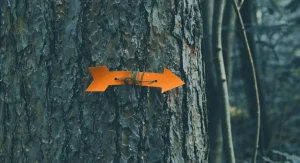
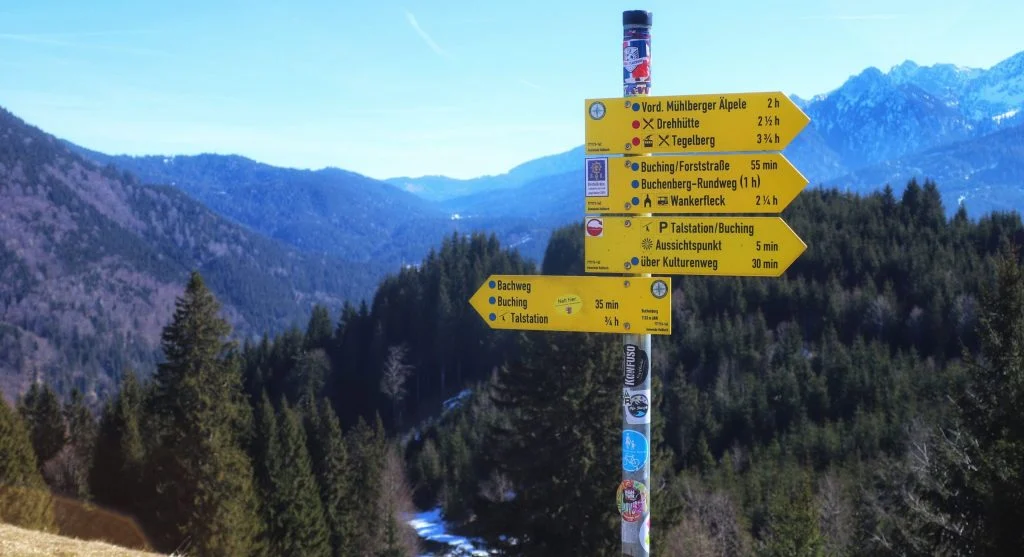
The goal is not to turn every outing into a constant navigation exercise. A simple habit is enough. When passing a major feature, hikers can quietly note where the trail moved in relation to it. Did the route cross below the rock wall. Did the creek stay left for a stretch. Did the trail turn right just after the large stump. These observations take only a moment, but they often make the return feel much easier.
Outdoor coaches often recommend choosing only a few landmarks per hike, especially at junctions, strong bends, crossings, and places where side trails or visual confusion are more likely later.
Why this habit helps even on familiar trails
Familiar trails still benefit from this skill. In fact, familiar routes often need it more because hikers pay less attention when they assume the path is obvious. A landmark remembered only in general can still fail to help if the trail looks unexpectedly different in reverse. Direction fills that gap. It turns vague familiarity into something more reliable.
Outdoor educators often explain that strong navigation is rarely about memorizing every detail. It is more often about noticing a few meaningful things well enough that the return never has to rely entirely on assumption.
Why better outward awareness makes the whole hike calmer
When hikers notice landmark direction on the way out, the return often feels calmer and more controlled. Junctions feel easier, uncertainty stays smaller, and the trail seems less likely to surprise. The route may still look different in reverse, but it does not feel unfamiliar in a worrying way because the hiker already built a better two-way memory of it.
Outdoor instructors often explain that some of the best trail habits are quiet ones. This is one of them. The time to make the return easier is often long before the return begins.

Frequently Asked Questions
Q: Why does the return trail often look different?
A: Because hikers see the route from the opposite direction, with different landmark angles, different light, and usually different attention patterns than on the way out.
Q: What does landmark direction mean on a hike?
A: It means noticing not only the landmark itself, but how the trail moves around it, such as which side it was on or when the path turned near it.
Q: Does this only matter on unfamiliar trails?
A: No. It also helps on familiar trails because routes can still feel surprisingly different in reverse, especially when fatigue or light changes reduce attention.
Q: What kinds of landmarks help most?
A: Larger stable features usually help best, such as big rocks, bridges, streams, strong bends, tree lines, hillside edges, or other features that remain easy to recognize later.
Key Takeaway
Key Takeaway: Hikers should notice landmark direction on the way out because the return often looks different enough that simple recognition is not always enough. Direction gives landmarks real navigation value by linking them to how the trail actually moved. That small outward habit often makes the return feel far calmer, clearer, and easier to trust.