

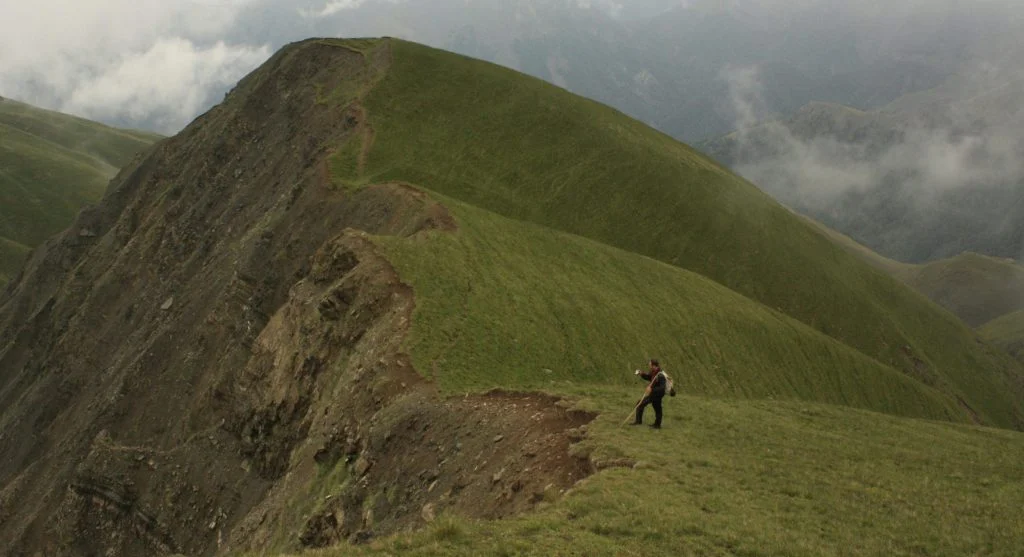
Many beginners judge a trail mainly by distance. That sounds reasonable at first because miles are simple to understand. A short route sounds easy, and a longer route sounds harder. On real trails, though, distance is only one part of the picture. A short hike can feel surprisingly tiring, while a slightly longer one can feel smoother and more manageable from start to finish.
Outdoor educators often explain that first-time hiking expectations are shaped by what people know from roads, walks, and indoor exercise. Trails behave differently. Fitness specialists also note that hiking effort beyond distance often comes from footing, climbing, weather, and pace rather than from mileage alone. This is why trail distance alone can mislead first-time hikers about how easy a route will actually feel.
Why trail distance alone can mislead first-time hikers
One reason distance can mislead beginners is that miles on a trail do not feel the same as miles on a sidewalk, track, or flat neighborhood walk. Trails often include uneven ground, short climbs, surface changes, and shifting pace. Even when the total mileage seems low, those extra demands can change the full experience of the hike.
Outdoor instructors often explain that beginners usually look for one simple number to make the route understandable. Distance becomes that number. The problem is that it hides many other details that often matter just as much or more once the hike begins.
How first-time hiking expectations get shaped by the wrong clues
First-time hiking expectations often come from how people imagine walking in general. If a person is comfortable walking a few miles in everyday life, a trail of similar length may sound easy. That comparison often misses the fact that hiking rarely offers the same surface, same rhythm, or same conditions as everyday walking.
Outdoor coaches often note that this is not a bad mistake. It is simply a common one. The trail often teaches beginners that distance is useful information, but not complete information. What matters is how the trail asks the body to cover that distance.
Why footing changes the feel of a short route
Footing is one of the biggest reasons a short trail can feel harder than expected. Roots, rocks, leaf cover, loose dirt, and uneven ground often reduce how smoothly a hiker can move. A route that seems short on paper may feel much longer once every step needs a little more attention and balance.
Movement educators often explain that this kind of effort is easy to underestimate because it rarely looks dramatic from the trail map. Yet the body feels it clearly. When footing is inconsistent, distance often feels larger because each section requires more control than beginners first expect.
How climbing affects hiking effort beyond distance
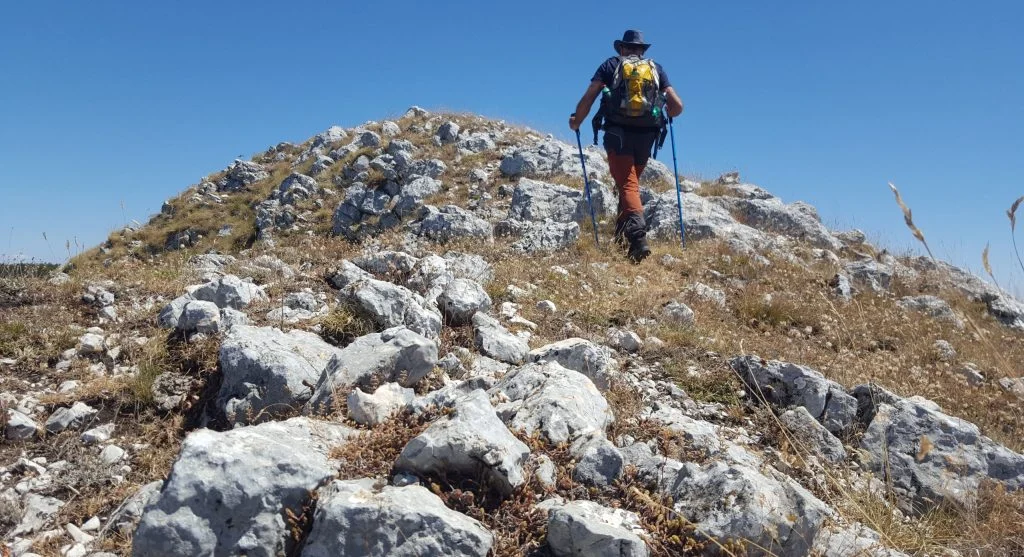
A short climb can change the feel of a hike much more than beginners expect. Even modest uphill sections can alter breathing, stride, and leg effort. Trail distance alone can mislead first-time hikers because the number of miles does not show how often the route asks the body to work upward instead of simply forward.
Fitness specialists often explain that many new hikers are surprised not by the total length of a route, but by how tiring repeated rises can feel. A hike does not need one major ascent to become more demanding than its mileage first suggests.
Why weather can make the same distance feel very different
Weather can change a trail more than beginners realize. Warm sun, wind, humidity, cool shade, and changing exposure all affect how easy the same route feels. A two-mile trail on a cool calm morning may feel simple, while the same two-mile trail on a warm exposed afternoon may feel much heavier.
Outdoor weather educators often explain that this is why beginner trail planning should never depend on distance alone. The body is not walking only the route. It is also walking the day’s conditions, and those conditions can make a short trail feel much larger.
How pace mistakes make moderate distances feel harder
Beginners often start too fast when the trail looks simple near the beginning. This can make a moderate distance feel harder later on because the body spent early energy too quickly. A route that would have felt manageable at a calmer pace may suddenly seem longer than expected once rhythm begins to drop.
Outdoor instructors often explain that distance becomes more misleading when pace is not realistic. A short trail does not always protect hikers from tiring choices made in the first mile. In many cases, the route feels harder not because it was too long, but because it was walked too quickly for the conditions.
Why a longer smooth trail can sometimes feel easier
Many first-time hikers are surprised to learn that a longer trail can sometimes feel easier than a shorter one. A smoother route with gentle grade, better footing, and steadier shade may support more efficient walking even if the mileage is higher. This is one of the clearest examples of why trail distance alone can mislead first-time hikers.
Outdoor guides often explain that hikers usually do better when they ask how the route walks, not just how far it goes. A comfortable longer route may feel much simpler than a shorter trail full of rough steps, repeated climbs, and awkward footing.
How mental effort changes the feel of distance
Beginners often focus on physical effort, but mental effort matters too. A route that needs constant attention to footing, trail markers, or balance can feel much longer than a route where the body and mind can settle into a simple flow. Even if the mileage is low, the hike may still feel demanding because attention never fully relaxes.
Outdoor psychologists often note that trail time perception changes when the mind feels busy. A short route with frequent small challenges often feels longer than a longer route with smooth and predictable movement.
How beginners can plan beyond mileage alone
Better beginner trail planning often starts with a few extra questions. Is the trail smooth or rough. Does it include repeated climbs. How exposed is it. Will the hike happen in heat, wind, or changing shade. Does the route allow a steady pace, or will it keep interrupting movement. These questions usually tell beginners far more than mileage by itself.
Outdoor educators often recommend thinking of distance as only the starting point of trail planning. Once beginners add surface, elevation, weather, and pacing to the picture, route choice often becomes much more realistic and much less surprising.
Why understanding this makes first hikes feel better
Beginners usually enjoy hiking more once they stop treating distance as the full answer. That shift often reduces frustration because the route makes more sense when its real demands are understood. A trail that felt harder than its mileage suggested no longer feels unfair. It simply feels like a route that asked for more than one number could describe.
Outdoor coaches often explain that this is one of the most useful early hiking lessons. Once first-time hikers understand that effort comes from many sources, they usually choose better routes, pace more wisely, and finish the day feeling more confident about what the trail actually taught them.
Frequently Asked Questions
Q: Why is trail distance not enough for beginners to judge a hike?
A: Because distance does not show footing, climbs, weather, exposure, or how smoothly the trail can be walked. These often change effort more than beginners expect.
Q: Can a short hike still feel hard?
A: Yes. A short hike can feel difficult if it includes rough footing, repeated uphill sections, heat, or constant attention to the trail surface and route.
Q: Can a longer hike ever feel easier than a shorter one?
A: Yes. A longer route with smooth tread, gentle grade, and steady conditions can sometimes feel easier than a shorter trail with rougher or more demanding features.
Q: What should first-time hikers check besides distance?
A: It often helps to check trail surface, elevation pattern, weather exposure, likely pace, and how much the route may interrupt smooth walking.
Key Takeaway
Trail distance alone can mislead first-time hikers because mileage is only one part of trail effort. Surface, climbing, weather, and pace often shape how easy a route really feels far more than beginners first expect. When hikers plan beyond mileage alone, their first hiking experiences usually become more comfortable, realistic, and enjoyable.