
Many hiking mistakes do not begin because a trail is badly marked. They begin because the hiker makes one turn that feels reasonable and then keeps walking without checking whether the route still matches the plan. A turn can look correct for several steps before the trail begins showing that something is off. By then, the mistake often feels harder to catch than it should have been.
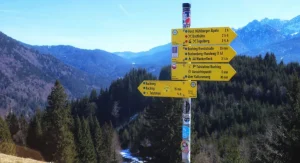
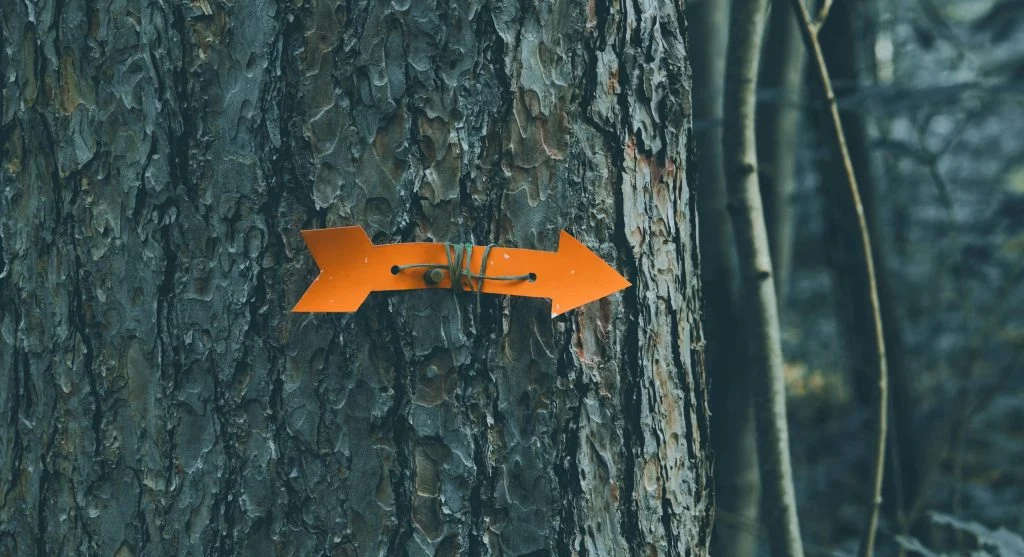
Outdoor navigation educators often explain that one of the strongest trail habits is simple: confirm trail markers after turns instead of trusting the turn itself to prove the route is right. Park staff also note that many wrong turns could be corrected within seconds if hikers paused just long enough to look for the next confirming sign, blaze, cairn, or expected trail shape.
Why hikers should confirm trail markers after turns
One reason this habit matters is that a turn often feels more convincing than it really is. The trail may look worn, the bend may seem natural, and the route may appear to continue smoothly. That first impression can be strong enough that hikers stop checking for confirmation. Once that happens, the trail begins relying on assumption instead of observation.
Outdoor instructors often explain that the turn itself is only the first part of the decision. The second part is confirmation. If the route is correct, some detail soon afterward should support that choice. When hikers skip that step, a small mistake can grow quietly into a longer one.
How wrong turns often happen on believable paths
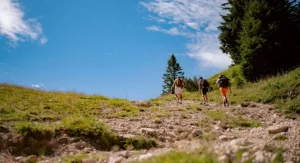
Many wrong turns do not feel obviously wrong at first. They often happen on paths that look reasonable enough to follow for a short distance. A side trail may be worn, a junction may be subtle, or the main route may bend in a less obvious way than expected. In these moments, hikers often benefit most when they confirm trail markers after turns rather than relying on the path’s appearance alone.
Navigation specialists often note that believable wrong paths are more dangerous to route awareness than clearly bad ones. A clearly bad path creates doubt quickly. A believable one reduces doubt just long enough to let the hiker continue without checking.
Why trail navigation habits matter most right after direction changes
Direction changes are the places where route errors most often begin. A trail that felt obvious while going straight may become much less certain once it bends, forks, or crosses another tread. This is why trail navigation habits often matter most immediately after the turn, not several minutes later. That is when the route is still easy to confirm and easy to correct if needed.
Outdoor guides often explain that hikers usually do not need a full stop at every bend. They simply need enough awareness to notice whether the expected route evidence appears soon after the direction change. If it does not, the turn deserves another look.
How a quick confirmation prevents longer backtracks
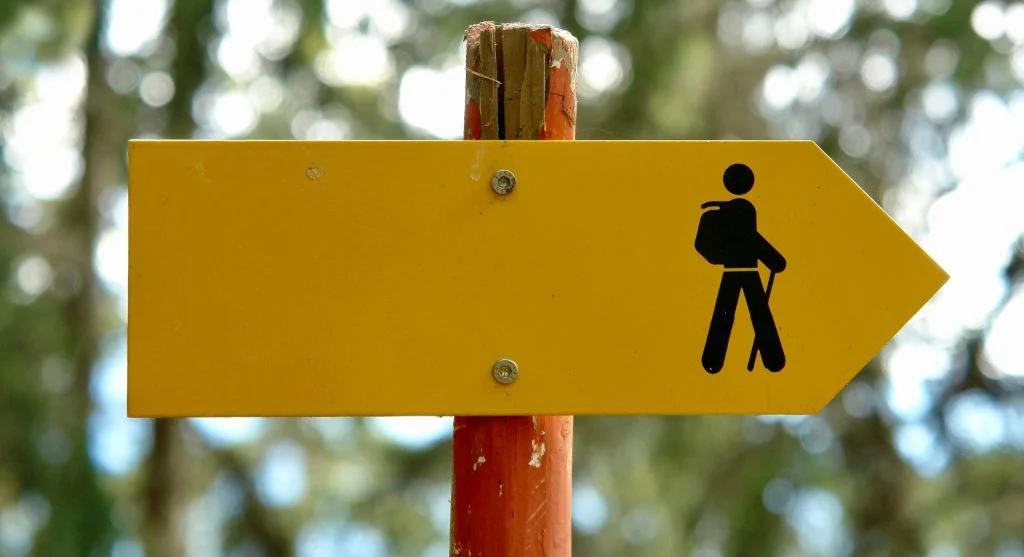
A wrong turn caught within a few steps is usually a small inconvenience. The same wrong turn caught ten minutes later may mean lost time, lower confidence, and extra effort retracing the route. Hikers who confirm trail markers after turns usually keep errors small because they catch uncertainty early enough to do something simple about it.
Outdoor safety educators often explain that most navigation problems feel bigger mainly because they were noticed late. Early confirmation keeps the route calm and keeps the correction small before the trail begins to feel confusing.
Why hikers often assume the turn was correct too quickly
Many hikers assume a turn is right because stopping to verify it can feel unnecessary in the moment. The route may look good enough, the body may want to keep moving, and the mind may prefer a smooth sense of progress over a brief check. This is especially common on familiar-looking terrain, where the surroundings feel right even if the exact route is not.
Outdoor coaches often explain that this is not carelessness so much as momentum. Once hikers turn, they often want the decision to be finished. Confirming trail markers after turns interrupts that false sense of closure just enough to make navigation stronger.
How route shape can confirm or challenge the turn
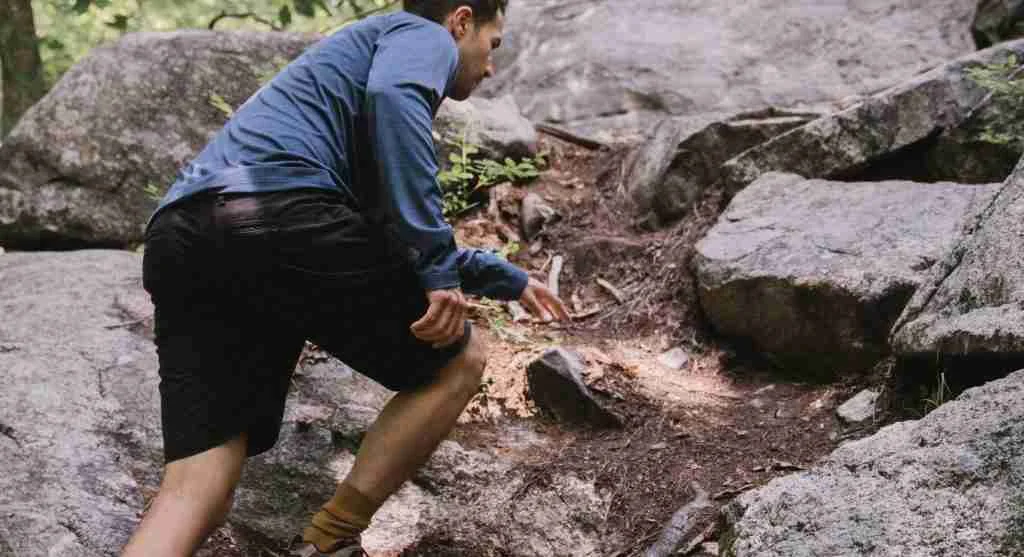
Trail markers are important, but route shape matters too. After a turn, hikers can ask whether the tread, width, surface, and direction still feel like the main route they expected. If the trail suddenly narrows, loses marker support, or changes character too sharply, that may be a clue the turn needs to be checked again.
Outdoor educators often note that the best confirmation often comes from several small details together. A blaze, a familiar tread width, and the expected route direction usually build more confidence than any one sign alone.
Why fatigue makes post-turn checks more important
Fatigue often reduces route patience. Late in a hike, people are more likely to keep moving after a turn because stopping to verify the path feels tiring or unnecessary. This is exactly when hikers should confirm trail markers after turns most carefully. Small direction mistakes are often easier to make when the body is tired and the mind wants simplicity.
Search and rescue trainers often explain that many late-day navigation problems do not begin with total confusion. They begin with one turn that was never properly confirmed because the hiker wanted to believe the path was obviously right.
How hikers can make this habit simple
The easiest version of this habit is short and practical. After any meaningful turn, look for the next marker, blaze, sign, cairn, or expected route feature before settling fully into the new direction. If it appears, keep going with confidence. If it does not, pause long enough to question the turn while the correction is still easy.
Outdoor instructors often recommend using a simple question: what is the next thing that should confirm this turn. That small expectation often keeps the hiker engaged with the route instead of assuming the path is correct just because it still looks walkable.
Why a two-second check often protects the whole hike
Some navigation habits sound more time-consuming than they really are. This one usually takes only a moment. Yet it can protect hours of planning, energy, and confidence. Hikers who confirm trail markers after turns often avoid the kind of minor mistakes that make the route feel less trustworthy later on.
Outdoor coaches often explain that the strongest navigation is often preventive rather than dramatic. A brief confirmation right after a turn usually matters much more than a longer problem-solving effort once the wrong route already feels established.
Frequently Asked Questions
Q: Why is it important to confirm trail markers after turns?
A: Because many wrong paths look believable at first. A quick confirmation helps ensure the turn actually matches the intended route before the mistake grows.
Q: What should hikers look for after turning?
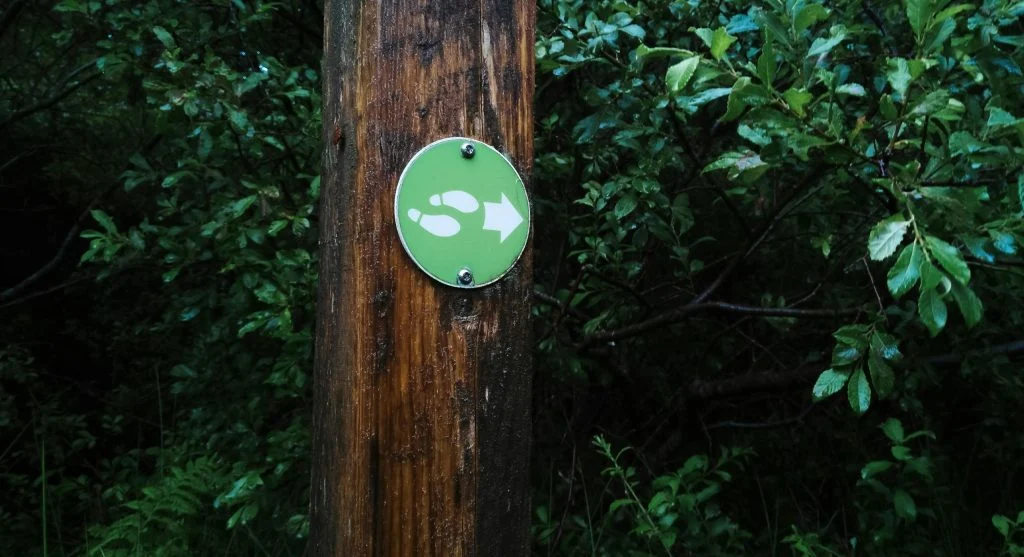
A: Useful confirmation may include a blaze, sign, cairn, expected trail shape, tread width, or another route feature that supports the turn.
Q: Does this matter only on unfamiliar trails?
A: No. Familiar trails can also cause mistakes, especially when fatigue, low attention, or subtle side paths make a wrong turn feel normal at first.
Q: How long should the check take?
A: Usually only a moment. The goal is simply to see whether the next expected route clue appears soon after the direction change.
Key Takeaway
Hikers who confirm trail markers after turns usually avoid the most common kind of quiet navigation mistake: trusting a believable turn without checking what comes next. A quick post-turn confirmation keeps wrong paths from feeling normal long enough to become real problems. In many cases, two seconds of checking saves far more time and energy later on.