

Small footing warnings on trails often arrive before any real slip or stumble happens. A hiker may feel one slight slide on gravel, one soft landing in mud, or one awkward step on a root and then continue as if nothing important changed. In many cases, though, that small moment is useful information. It often shows that the trail is beginning to ask for more care than it did a few minutes earlier.
Outdoor safety educators often explain that early warning signs matter because they appear while the hiker still has time to adjust calmly. Movement specialists also note that many avoidable trail problems begin when people dismiss small changes underfoot instead of treating them as trail safety signals. A brief adjustment in pace or attention often works better than waiting for a larger mistake to force the change.
Why small footing warnings on trails matter more than they seem
Many hikers think a small slide or unstable step only matters if it leads to a fall. That is not always true. Small footing warnings on trails often matter because they show that the relationship between the body and the surface has changed. The ground may be looser, wetter, steeper, or less predictable than it looked at first.
Outdoor instructors often explain that the body usually notices these changes before the mind fully names them. A small warning may therefore be the earliest and clearest clue that the trail now needs a different pace, shorter steps, or stronger balance awareness.
How trail safety signals often appear before obvious danger
Trail safety signals are usually quiet. The route may still look ordinary, the weather may still seem fine, and the map may still suggest an easy section. Yet a slight skid on loose gravel or a foot that lands less cleanly than expected may already be showing that conditions are shifting. Small footing warnings on trails often come before the trail looks dramatic.
Trail safety specialists often note that this is exactly why hikers benefit from paying attention early. Once the surface has already caused a bigger slide or stumble, the body may need a much stronger correction. Earlier awareness usually keeps the situation smaller and easier to manage.
Why hikers often ignore the first warning step
One reason hikers ignore small warnings is that the trail may have felt easy up to that point. The mind expects continuity, so one awkward step is often treated as random rather than meaningful. Hikers may assume the foot just landed badly instead of considering that the ground itself may now be behaving differently.
Outdoor coaches often explain that this reaction is normal. People usually trust the recent pattern of the trail more than a single unexpected moment. The problem is that small footing warnings on trails often are the first break in that pattern, which makes them especially useful rather than easy to dismiss.
How surface changes create small footing warnings
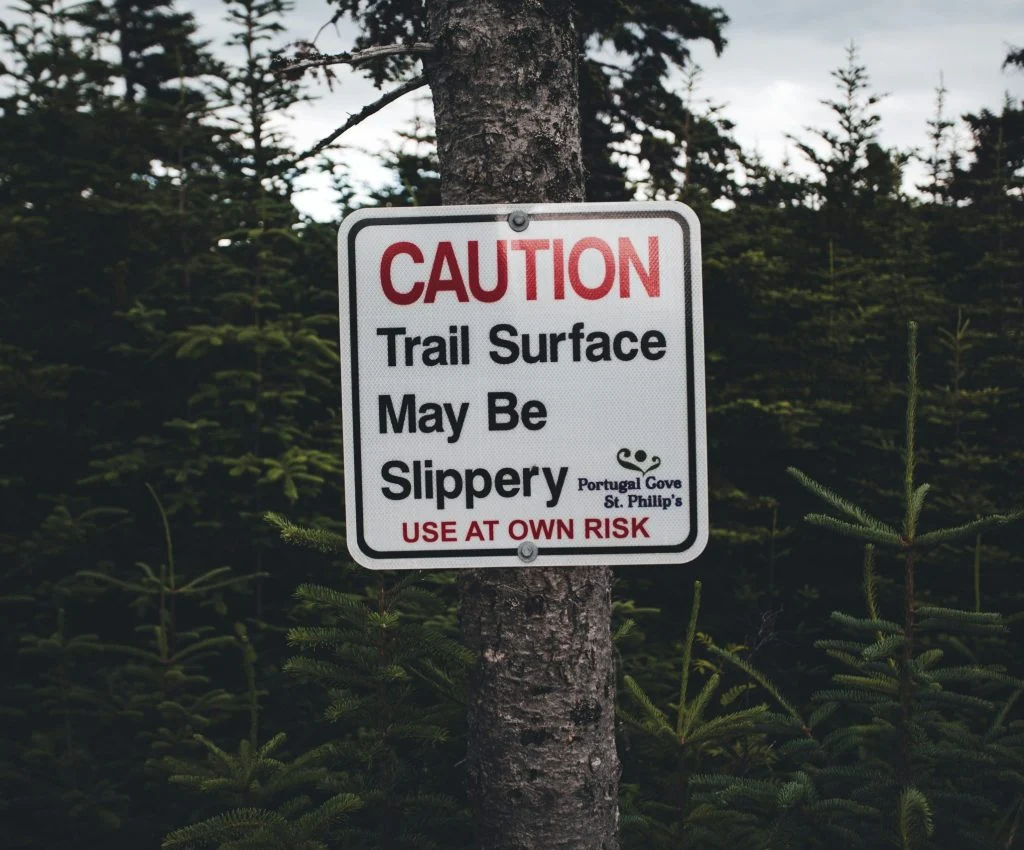
Surface change is one of the most common reasons these warnings appear. Smooth dirt may turn dusty, roots may become damp, leaves may hide slick patches, or stones may begin rolling underfoot. None of these changes needs to be extreme to affect balance. Small footing warnings on trails often begin exactly where the eye still sees an ordinary path but the feet no longer feel ordinary support.
Movement educators often explain that this is why hikers sometimes notice the effect before the cause. The body feels a change in traction first. The reason becomes clearer only after the hiker slows down enough to look at the surface more carefully.
Why descents make early warnings more important
Downhill sections often make small warnings more significant because the body is already managing momentum. A tiny slide on flat ground may feel manageable, but the same slide on a descent may show that braking and balance are about to become harder. Small footing warnings on trails often deserve extra respect when the route is trending downward.
Outdoor safety educators often explain that descents reduce the margin for late reaction. A hiker who notices one small unstable step early can shorten stride and slow down right away. A hiker who ignores that signal may reach a steeper or rougher section before making the adjustment.
How balance awareness helps hikers respond early
Balance awareness is often what turns a small warning into a useful response. If a hiker notices that the feet are correcting more often, that landing points feel less certain, or that push-off from the ground feels less firm, those are valuable clues. They show the trail is already asking for more precision.
Outdoor instructors often suggest paying attention to how movement feels rather than waiting for a visible obstacle. Small footing warnings on trails often become clearer when hikers ask whether steps still feel smooth, centered, and repeatable. If the answer changes, the trail usually has changed too.
Why pace should often change before the trail looks harder
Many hikers wait for the trail to look difficult before changing pace. Yet the best time to slow slightly is often when the first small warning appears. Small footing warnings on trails can be useful because they give hikers permission to adjust before the section becomes frustrating or unsafe.
Trail coaches often explain that a slight reduction in speed usually protects both confidence and energy. Hikers often move better when they treat a small warning as a cue for smarter pacing rather than as a reason to keep proving that the old pace still works.
How repeated small warnings change the whole hike
One warning may be random. Several warnings in a short distance usually mean the surface is now less reliable. A series of tiny slips, awkward landings, or balance corrections often shows that the trail is entering a new pattern. Once that happens, the hike often feels harder if the body keeps trying to move as if nothing changed.
Outdoor fitness specialists often note that repeated small corrections also waste energy. The body becomes less efficient when it keeps reacting at the last second. Recognizing small footing warnings on trails early often saves energy because the hiker begins moving with the conditions instead of against them.
How hikers can treat these warnings as useful information
The best response is often simple. Slow slightly, shorten steps, look a few steps ahead, and check whether the surface has changed in moisture, angle, or texture. These small actions usually keep the warning from becoming a larger problem. They also make the hiker feel more in control of the route again.
Outdoor educators often explain that treating small warnings as information does not mean becoming fearful. It means respecting the trail early enough that bigger corrections are less likely to be needed later. Calm response is usually the most effective response.
Why early attention usually feels easier than late recovery
Late recovery often costs more energy and confidence than early adjustment. Once a hiker has already stumbled, slid farther than expected, or lost trust in the surface, the next section usually feels more stressful. Small footing warnings on trails are useful because they let hikers solve the problem while it is still small, before the trail begins to feel mentally heavier too.
Search and rescue trainers often explain that strong trail decisions usually begin long before any serious incident. Noticing a small sign and respecting it right away is often what keeps the rest of the route calm, steady, and much easier to manage.
Frequently Asked Questions
Q: What counts as a small footing warning on a trail?
A: Common examples include a slight slide on gravel, a foot that lands less securely than expected, or repeated small balance corrections on changing ground.
Q: Should hikers really change pace after one small slip?
A: Not always dramatically, but a small warning often deserves attention. Even a slight pace change can help hikers adjust before conditions become more difficult.
Q: Why do these warnings matter so much on descents?
A: Descents already require more braking and balance. A small unstable step on downhill terrain often shows that control may become harder if the pace stays the same.
Q: What is the best response to a small footing warning?
A: Many hikers do better by slowing slightly, shortening stride, and checking how the trail surface has changed. Early calm adjustment usually works better than late reaction.
Key Takeaway
Small footing warnings on trails often act as useful early trail safety signals rather than as meaningless random moments. They show when the ground, pace, or balance demands have changed enough to deserve quick adjustment. Hikers usually stay safer and more comfortable when they respect those small clues early instead of waiting for a larger slip to make the message clear.