

 Credit: eberhard grossgasteiger / Pexels
How sun angle and time of day change the return experience
The time of day often changes the feel of the return much more than hikers expect. A trail that was cool, shaded, or partly protected in the morning may be much brighter and warmer later. This can make the exact same path feel like a different route. A hot return trail often becomes harder because the sun is now working against the body instead of simply being present in the background.
Outdoor weather educators often explain that exposure timing matters just as much as total temperature. A route that is manageable early may become draining later if the return happens during the warmest and brightest part of the day.
Why water habits matter most on the way back
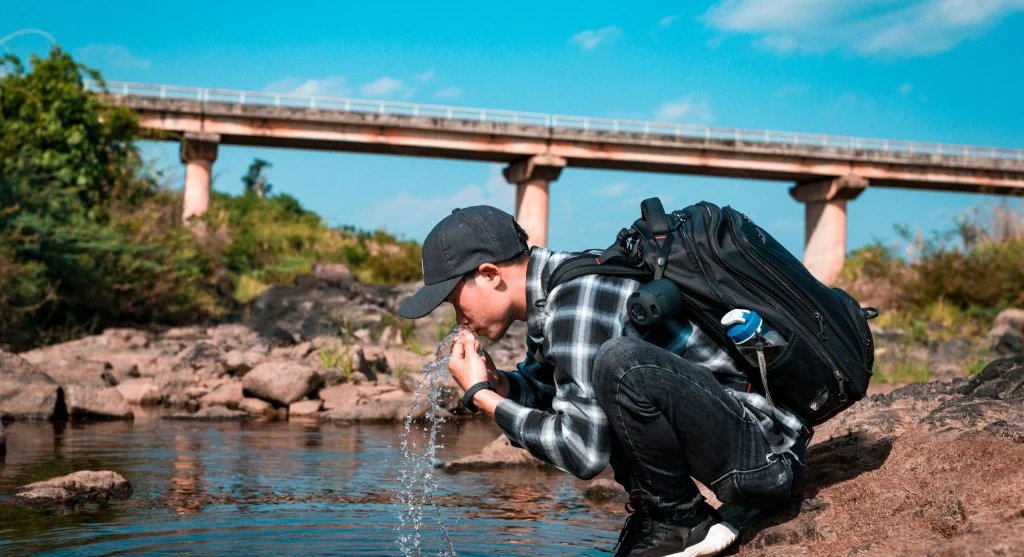
Many hikers focus on water early in the day, then become less consistent later once the route starts feeling familiar or the finish seems closer. This is often exactly when hydration habits matter most. A hot return trail can feel much longer when water use has already slipped behind the body’s needs.
Outdoor safety specialists often explain that later dehydration rarely announces itself with one single clue. Instead, hikers may simply feel slower, heavier, and less comfortable than expected. These are often signs that the body is no longer keeping up well with heat and steady movement.
How familiar scenery can make the return feel mentally longer
The return often includes scenery that hikers have already seen, which changes how the distance feels. On the outgoing section, the trail still holds novelty. On the hot return trail, the same features may feel repetitive just as physical comfort begins dropping. That combination often makes the remaining distance seem longer than it really is.
Outdoor psychologists often note that repetition affects time perception strongly. When the mind is no longer engaged by new scenery and the body is also warmer and more tired, each remaining section of trail becomes more noticeable.
Why small climbs feel bigger on a hot return trail
Small hills and moderate rises often feel much larger on the way back in warm conditions. A climb that barely stood out earlier may feel frustrating later because the body now has less cooling margin and less fresh energy. This often surprises hikers, especially on routes that seemed fairly easy at the start.
Movement educators often explain that the terrain has not changed. What changed is the condition of the hiker meeting it. Heat, earlier effort, and steady sun exposure can make small grades feel much more demanding late in the day.
How hikers can plan better for the second half
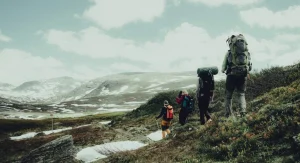
Better planning usually begins with treating the return as the part that may need the most respect. Hikers often do better when they assume the second half will feel warmer and slower than the first. That may mean choosing an earlier start, pacing more calmly on the outward leg, and protecting water and energy before the heat of the day fully arrives.
Outdoor instructors often recommend asking a simple question before continuing deeper into a warm route: how will this trail feel coming back later. That question often leads to better turnaround decisions and more realistic pacing before the hot return trail has a chance to feel unexpectedly long.
Why small early adjustments usually make the biggest difference
The best way to make a hot return trail feel easier is often through early choices, not late rescue. A slightly slower start, steadier hydration, better shade use, and more realistic distance planning often protect comfort better than trying to recover once the return already feels hard.
Search and rescue trainers often explain that strong trail decisions usually look simple. A modest turnaround, an early drink, or a short pause in shade may seem minor in the moment, yet those choices often shape whether the final miles feel manageable or much longer than expected.
 Credit: Pixabay / Pexels
Frequently Asked Questions
Q: Why does the return trail feel longer in hot weather?
A: A hot return trail often feels longer because the body is more tired, warmer, and moving less efficiently than it was earlier. The same distance feels different once energy and cooling reserve are lower.
Q: Does the return really take longer, or just feel longer?
A: It can be both. Return hike pacing often slows in warm conditions, and repeated scenery can also make the distance feel mentally longer.
Q: What makes hot return trails harder than the way out?
A: Heat, sun exposure, earlier effort, slower pace, and lower hydration margin all tend to build by the second half of the hike. These factors often combine to make the return feel harder.
Q: How can hikers make the return feel easier?
A: Earlier starts, calmer outgoing pace, regular water use, and realistic turnaround decisions often help the most. Small early adjustments usually protect the second half of the route best.
Key Takeaway
A hot return trail often feels longer because the body meets the second half of the hike with more heat, more fatigue, and less energy than it had earlier. Return hike pacing usually slows more than hikers expect once warm weather trail safety becomes a real factor instead of just a background concern. In many cases, the best way to protect the return is to plan for it early rather than assuming it will feel like the way out.
[INTERNAL LINKING SUGGESTIONS]
- Why Hikers Miss Early Signs of Overheating Before a Summer Trail Feels Difficult
- Why Trails With Late Shade Can Feel Much Harder Than They Look on Warm Days
- How to Pick a Turnaround Time Before a Hike So the Return Feels Less Rushed