
Quiet trails with wildlife activity often feel very different from busy, shared routes. The sounds of birds, rustling leaves, insects, and distant water become part of the experience, and many hikers value these spaces for their calm, natural atmosphere. In these settings, voice level matters more than people sometimes realize.
Outdoor educators often explain that hiking etiquette is not just about sharing the trail with other people. It also includes how hikers move through areas where wildlife is active and where natural sound plays an important role. Wildlife specialists also note that quieter movement can improve awareness, since hikers notice more when the environment isn’t filled with loud conversation.
Why quiet trails with wildlife activity feel more sensitive to noise
Some trails naturally carry sound more easily due to dense forest, soft ground, or greater distance between hikers. In these conditions, even normal conversation can travel farther than expected. Quiet trails with wildlife activity tend to feel more sensitive because the natural background is softer, making any added noise stand out.
Outdoor naturalists often explain that this can change the overall feel of the trail. A louder group may still be respectful and safe, but the sound can shift the atmosphere of the area. A place that would otherwise feel peaceful may start to feel busier and less natural for both wildlife and nearby hikers.
How lower voices support better hiking etiquette
Good hiking etiquette often means adjusting behavior to fit the setting rather than using the same habits everywhere. On crowded trails, regular conversation may not make much difference. On quieter trails with wildlife activity, lowering voices shows respect for the environment and for others who came to enjoy the calm.
Park staff often note that courtesy on these trails comes from awareness rather than strict rules. Hikers don’t need to stay completely silent, but avoiding shouting, calling across distances, or continuous loud conversation helps maintain the natural atmosphere.
Why wildlife activity can change when hikers stay louder than necessary
Wildlife usually becomes aware of people before people notice wildlife. Birds may stop calling, smaller animals may move away from feeding areas, and larger animals may shift off the trail long before hikers realize they were there. Quiet trails with wildlife activity often offer better chances for observation when hikers keep noise levels low and move with less disturbance.
Wildlife educators often explain that quieter hiking doesn’t guarantee sightings, but it does increase the chances of noticing movement, sounds, or signs of animals. Louder voices can reduce those chances because the environment changes before hikers have time to observe what was already present.
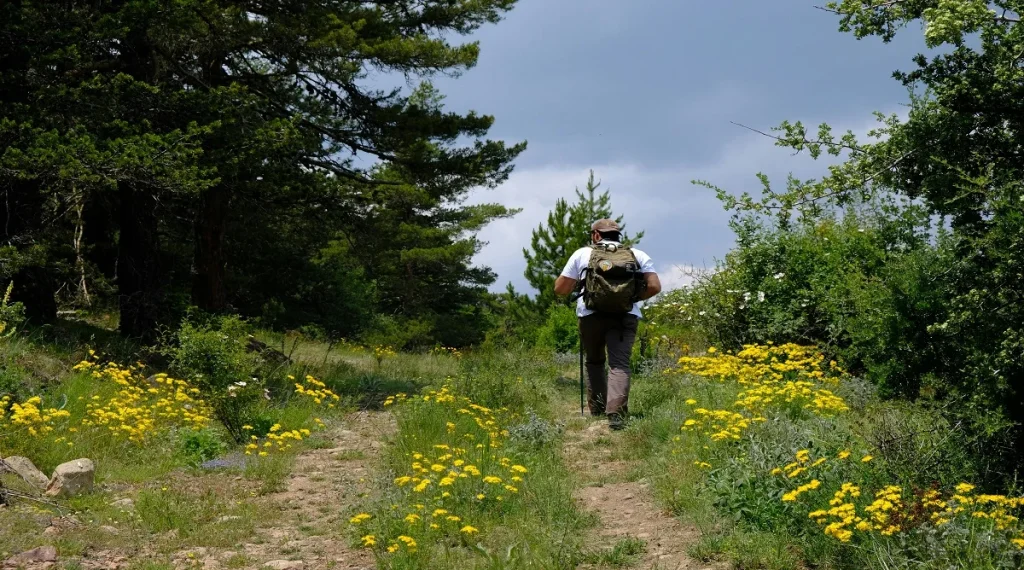
Credit: Erhan Anbar / Pexels
How trail awareness improves when sound level drops
Trail awareness is closely tied to what hikers can hear. When voices are kept lower, it becomes easier to notice bird calls, flowing water, shifting wind, footsteps from others, or movement in nearby brush. Quiet trails with wildlife activity often feel richer because these small details stand out without extra effort.
Outdoor educators often note that hikers tend to see more when they hear more. A change in bird sounds or a subtle rustle beside the trail can signal something worth paying attention to. That kind of awareness is much harder to build when constant loud conversation fills the space.
Why other hikers often value quieter trail behavior
Many people choose less crowded trails because they want a slower, quieter experience. Sound can carry far in these environments, affecting hikers who may not even be in direct view. Quiet trails with wildlife activity often attract people who value listening as much as walking, so voice level becomes part of respectful shared use.
Recreation specialists often explain that lowering voices supports trail sharing in the same way stepping aside on a narrow path does. It’s a simple adjustment that allows different groups to enjoy the same space without one style dominating the experience.
How group size changes sound on quieter routes
Even when individuals speak at a normal level, larger groups can create a steady layer of sound. This is especially noticeable on quiet trails with wildlife activity, where the natural environment can be easily changed by ongoing conversation, laughter, or calling between people spread out along the trail.
Outdoor leaders often recommend keeping groups closer together, speaking more directly, and avoiding calling from front to back whenever possible. These habits help limit how far sound travels and keep the group’s presence more contained.
Why lower voices do not mean removing all communication
Quieter hiking doesn’t mean stopping communication altogether. Safety, navigation, and group coordination still matter. The difference is that communication can stay calm, brief, and close-range instead of loud and continuous. Quiet trails with wildlife activity benefit more from intentional sound than from complete silence.
Outdoor safety specialists also point out that there are times when louder communication makes sense, such as in low visibility, when maintaining awareness of wildlife in certain areas, or during urgent situations. The key is adjusting voice levels to match the situation rather than using high volume as the default.
How hikers can build quieter trail habits naturally
Many hikers begin to adjust simply by paying attention during the first few minutes on the trail. If birds are active, the environment feels calm, and others are moving quietly, those are clear signals that a lower voice level fits the setting. Quiet trails with wildlife activity often make this obvious once attention is focused on the surroundings.
Outdoor instructors often suggest treating natural sound as part of the trail itself. When hikers start listening more intentionally, quieter behavior tends to feel natural rather than forced, becoming part of how they experience the route.
Frequently Asked Questions
Q: Why should hikers lower their voices on quiet trails?
A: Lower voices help protect the calm feel of the trail, support wildlife respectful hiking, and make it easier for others to enjoy natural sounds. They also improve personal trail awareness.
Q: Does quieter hiking really help with wildlife sightings?
A: It often helps. Quiet trails with wildlife activity usually offer better chances to notice birds, movement, and wildlife signs when hikers create less noise.
Q: Is normal conversation okay on quiet trails?
A: Yes, but many hikers benefit from keeping it moderate and close-range. The main goal is to avoid letting voices dominate the trail environment.
Q: What should larger groups do on quiet wildlife trails?
A: Larger groups often do best by staying closer together, lowering voice levels, and avoiding repeated calling across distance. These habits reduce how far sound spreads through the area.
Key Takeaway
[INTERNAL LINKING SUGGESTIONS]
- Why Hikers Notice More Wildlife When They Slow Down on the Trail
- Why Hikers Should Not Stop in the Middle of Busy Trails
- Why Slowing Down at Narrow Trails Helps Everyone Move More Safely