
Choosing the right start time can make a beginner hike feel much easier than expected. A trail that looks simple on paper can feel very different depending on heat, crowd levels, daylight, and how much time is left in the day. For new hikers, timing often shapes the entire experience before the first mile is even complete.
Outdoor educators often point out that timing matters because beginners are still learning how to pace themselves, find a rhythm, and manage energy. Park staff also note that many early hiking challenges come from starting too late, feeling rushed, or not leaving enough daylight. A well-chosen start time gives beginners more comfort and more flexibility to adjust along the way.
Why beginner hiking start time matters more than many people expect
New hikers often focus on gear, distance, or what to bring, but timing affects how all of those things feel. Even a short hike can become stressful if it begins too late in the day, during peak heat, or when the trail is crowded. The same route can feel much easier when it starts at a time that allows for cooler conditions, better light, and a more relaxed pace.
Outdoor instructors often explain that beginners benefit from having extra time built into the day. This margin allows for slower walking, short breaks, and simple navigation checks without pressure. A good start time often creates that flexibility from the beginning.
How morning conditions often support a first hiking trip
Morning is often a good choice for beginners because trail conditions tend to be more comfortable. Temperatures are usually lower, the body hasn’t yet been affected by midday heat, and there’s more daylight available to complete the hike. This doesn’t mean every hike needs to start at sunrise, but earlier starts often make the experience feel smoother.
Outdoor safety educators often recommend morning hikes for beginners, especially on exposed trails or in warmer weather. Starting before the sun becomes strong can reduce fatigue and make it easier to maintain a steady pace.
Why late starts can make easy trails feel harder
Starting late in the day reduces flexibility. If a beginner needs extra time for footing, navigation, or rest, limited daylight can quickly create pressure. A trail that would feel relaxed in the morning may start to feel stressful if there’s concern about finishing before it gets dark.
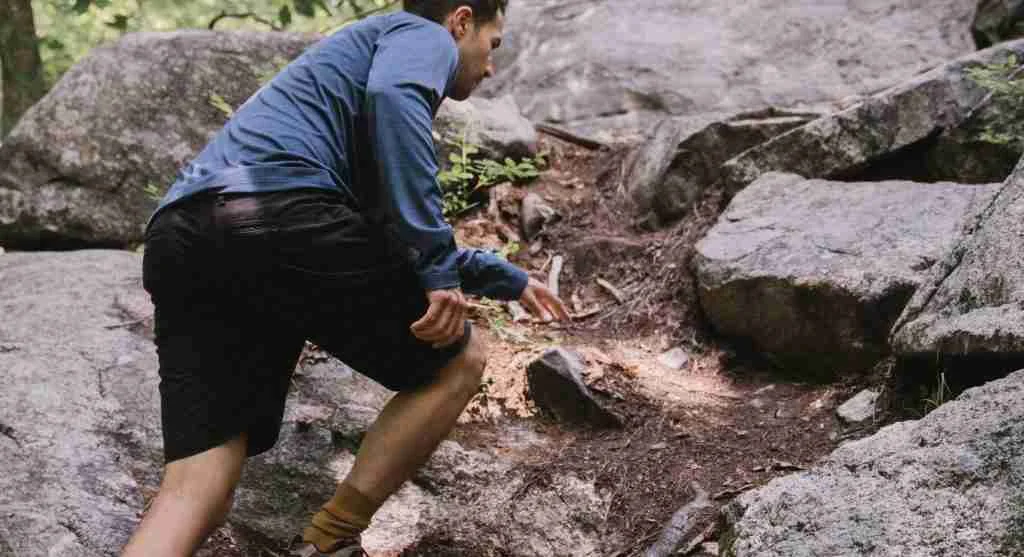
Park rangers often explain that beginners typically move more slowly than expected on uneven terrain, and that’s completely normal. The challenge comes when the start time doesn’t allow for that learning pace. Planning usually works better when beginners assume the hike may take longer than the map suggests and choose a start time that leaves enough room for that.
Credit: Ron Lach / Pexels
How trail traffic changes the feel of a beginner hike
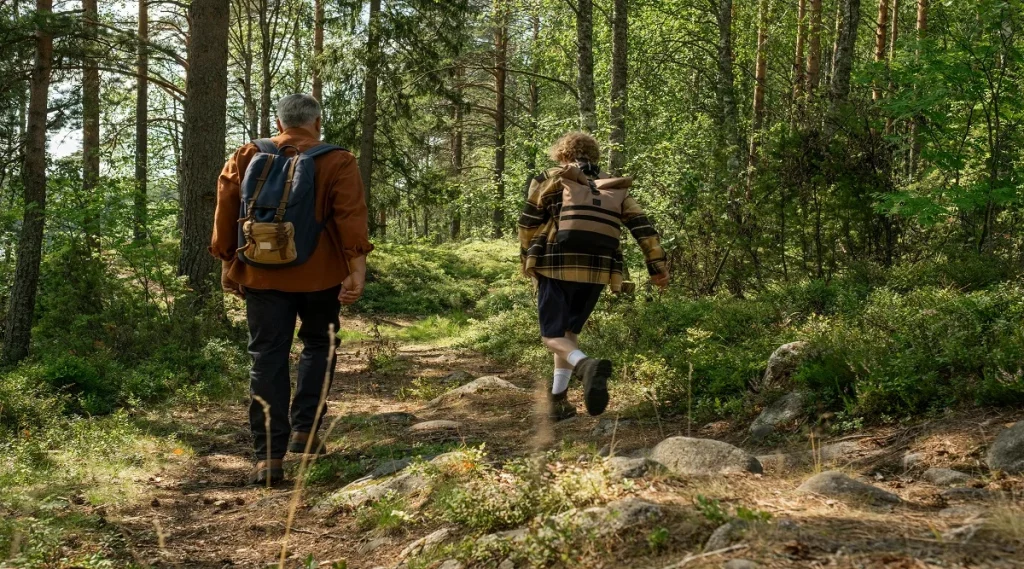
Crowded trails can make a first hike feel more complicated than it needs to be. Busy parking areas, narrow sections for passing, and groups moving at different speeds can add pressure for someone still learning how to move comfortably on a trail. Choosing a better start time often means picking an hour when the trail is quieter and easier to navigate.
Recreation specialists often note that less crowded trails allow beginners to focus on footing, pacing, and surroundings instead of constantly adjusting to others. That alone can make the experience feel calmer and more enjoyable without changing the route itself.
Why weather should shape hiking time planning
Weather is one of the most important factors when deciding when to start. Heat, wind, storms, and shifting afternoon conditions can all change how a trail feels. A good start time should match how the weather is expected to develop throughout the day, not just the trail distance.
Outdoor guides often explain that some trails are easier before the midday sun, while others improve after early morning chill or damp ground clears. Beginners usually do better when they think about how conditions may change over time rather than assuming they’ll stay the same from start to finish.
How a good start time supports better pacing
When hikers feel they have enough time, they tend to move more naturally. They take careful steps on uneven ground, pause when needed, and avoid rushing through climbs. A well-chosen start time supports this by removing the feeling of racing against heat, crowds, or fading daylight.
Fitness specialists often point out that comfort on early hikes comes as much from feeling relaxed as it does from physical ability. A beginner who isn’t worried about time is more likely to make steady, confident decisions.
Why beginners should match start time to route style
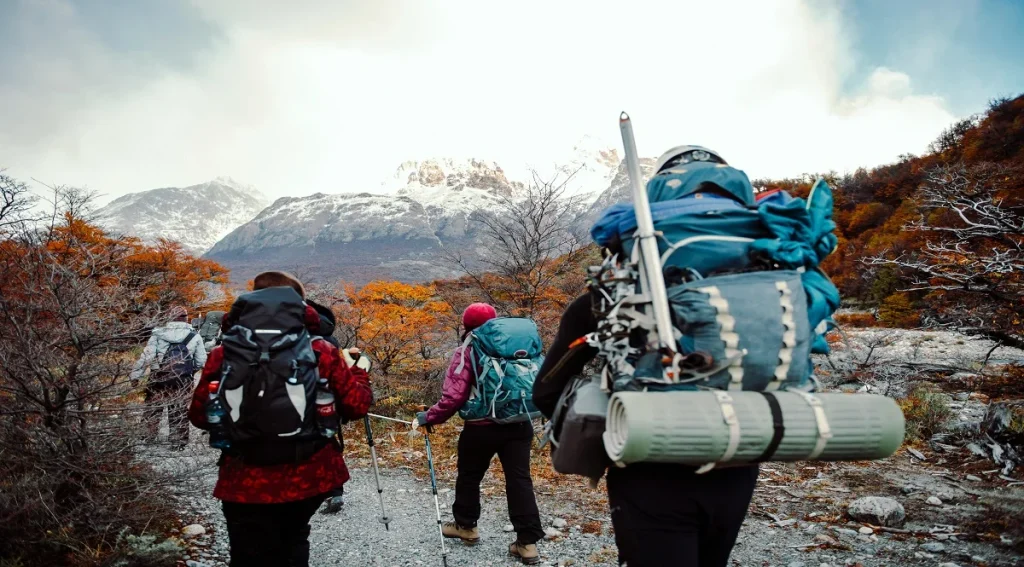
Different trails often call for different timing. Exposed ridge routes usually feel better earlier in the day, while shaded forest loops can stay comfortable longer. Trails with multiple junctions may be easier to follow in stronger daylight. The best timing usually depends on the specific route rather than a single general rule.
Outdoor educators often suggest asking simple questions: Is the trail mostly sunny or shaded? Is it likely to be crowded? Does it include steep climbing early? Are weather changes expected later? These considerations often lead to better timing decisions than guesswork.
How to choose a realistic beginner hiking start time
A practical start time usually begins with the route and then factors in weather, pace, and daylight. Beginners often benefit from allowing extra time rather than planning a hike that only works if everything goes perfectly. This often means starting earlier than strictly necessary.
Outdoor coaches often recommend leaving enough margin for parking, getting organized at the trailhead, easing into the hike, and moving at a slower-than-expected pace. This doesn’t mean every hike needs an early alarm it means giving the day enough space so learning the trail doesn’t feel rushed.
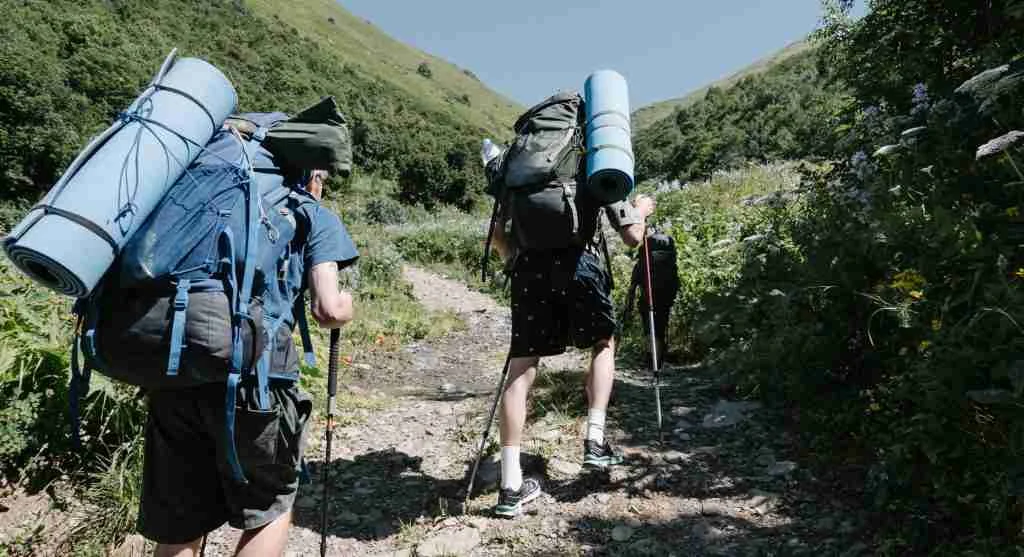
Credit: Julieta Camila Tosto / Pexels
Frequently Asked Questions
Q: What is the best beginner hiking start time?
A: The best beginner hiking start time usually leaves enough daylight and avoids the hottest or busiest part of the day. For many routes, that often means starting in the morning or earlier than first-time hikers initially expect.
Q: Do beginners always need to start early?
A: Not always. The better question is whether the start time fits the route, weather, trail traffic, and available daylight. Some shaded or shorter trails remain manageable later, but many beginners still benefit from extra time margin.
Q: Why do late starts make beginner hikes harder?
A: Late starts often create pressure around heat, daylight, or crowded trails. That pressure can make beginners rush, which often reduces comfort and increases fatigue.
Q: Should beginners think about weather before choosing a start time?
A: Yes. Weather often changes how a trail feels across the day. Hiking time planning usually works best when start time is matched to likely sun, wind, temperature, and afternoon conditions.