
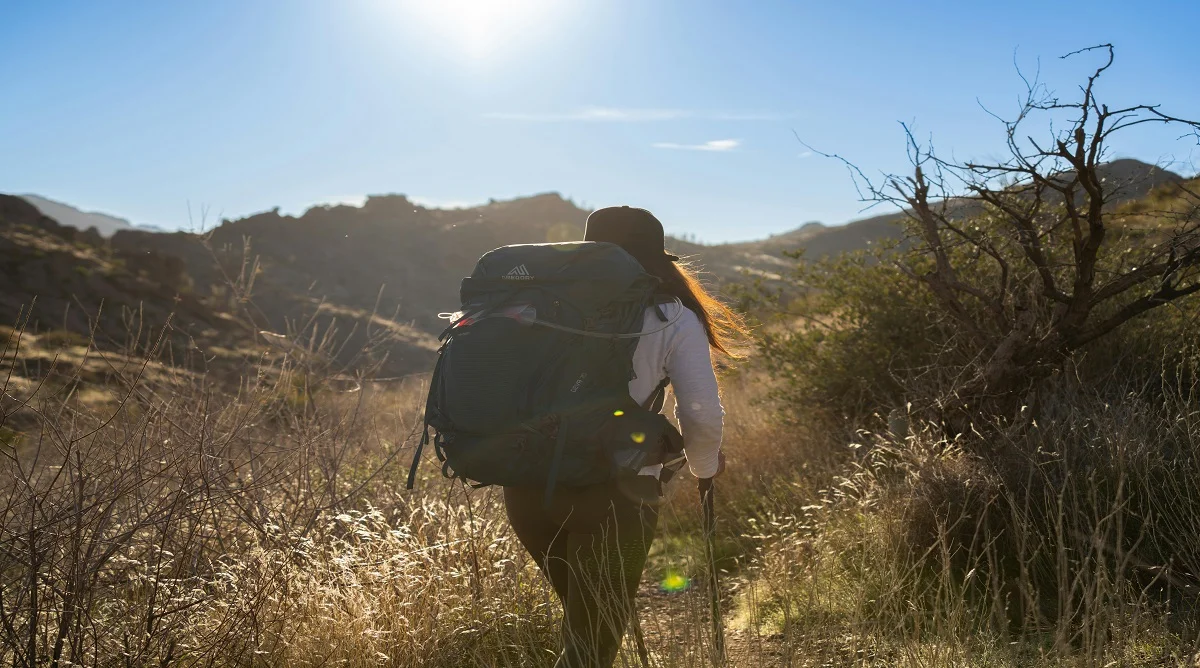
Dry heat on hiking trails can be misleading because it doesn’t always feel intense at first. The air may seem light and comfortable, especially compared to humid conditions, so some hikers expect an easier experience. But dry trails can still leave you feeling tired, dehydrated, and slower than expected. The body loses water quickly in dry air, particularly on routes with direct sun, elevation gain, and little shade.
Outdoor safety educators often point out that dry conditions are easy to underestimate because sweat evaporates so quickly. Clothing may not feel damp, which can create a false sense of comfort. Fitness specialists also note that early signs of heat strain aren’t always obvious, which is why dry heat can affect performance more than the forecast might suggest.
Why dry heat on hiking trails can feel less obvious at first
One reason dry heat catches hikers off guard is that the body doesn’t feel as sticky or overheated as it would in humid weather. Sweat evaporates quickly, giving the impression that everything is under control. In reality, that evaporation means fluids are being lost steadily, even before discomfort becomes noticeable.
Outdoor health specialists often explain that feeling comfortable isn’t the same as being properly hydrated. A hiker may feel fine in dry air while still losing enough water to impact energy and pace later on. This delayed effect is why the second half of a hike can feel much harder than the beginning.
How dry air changes water loss during a hike
Dry air pulls moisture from the body more quickly, but the change can be easy to miss. Sweat often disappears before hikers fully register how much they’re losing. On exposed trails, where sunlight and ground heat keep effort levels high, this quiet water loss can add up fast.
Outdoor fitness educators often recommend treating hydration as a steady habit rather than waiting until you feel thirsty. In dry conditions, thirst doesn’t always keep up with actual needs, so regular drinking becomes important even when the weather doesn’t seem extreme.
Why trail heat exposure feels stronger on open terrain
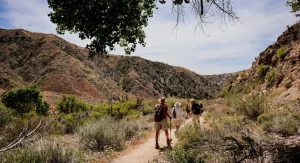
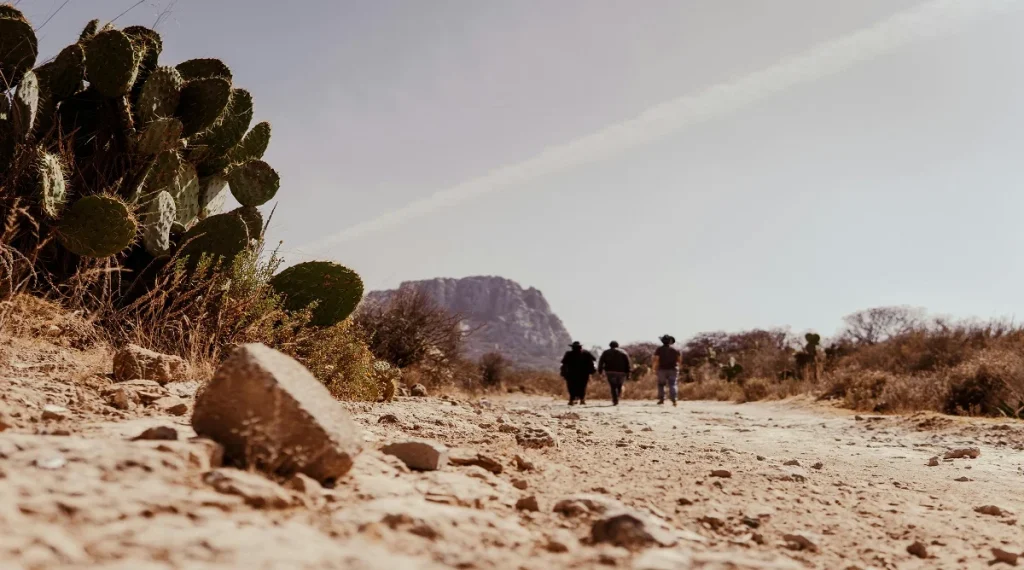
Direct sun can make dry conditions feel far more intense than the temperature alone would suggest. Trails with long exposed sections, light-colored rock, or minimal tree cover can reflect heat back toward the body. In these environments, dry heat becomes more demanding because warmth is coming from both above and below.
Park staff often note that hikers sometimes compare trail conditions to how the weather feels in town or near the trailhead. But open terrain can feel very different. The same temperature may be much harder to handle on a sunlit ridge, dry canyon trail, or exposed slope than it is in shaded or lower areas.
Credit: Israyosoy S. / Pexels
How pace changes in hot trail conditions
Hiking in hot conditions often calls for a different rhythm, even on trails that seem moderate. A pace that feels comfortable in cooler weather can lead to quicker energy loss in dry heat. In these conditions, a slower, more consistent pace usually works better than starting fast or pushing through short bursts of effort.
Endurance specialists often point out that pacing matters most on climbs. A steep section early in the hike can raise body temperature quickly, and that early strain often affects how the rest of the hike feels. Starting at a steadier pace often makes the overall experience more manageable.
Why breaks and shade matter more in dry weather
Taking short breaks in the shade can make a real difference when hiking in dry, sunny conditions. These pauses aren’t just about resting they give the body a chance to cool down, regulate breathing, and reset before continuing. Dry heat tends to feel more manageable when breaks happen before fatigue fully sets in.
Outdoor guides often recommend using any available shade, even for a brief stop. A short pause near a tree, rock face, or bend in the trail can be more effective than pushing through a long exposed stretch without relief.
How clothing affects hiking in dry weather
Clothing can feel very different in dry heat than many hikers expect. Heavy layers or dark fabrics tend to trap heat, while lightweight, breathable clothing helps the body stay cooler. At the same time, leaving skin fully exposed can increase the impact of direct sun, especially on open trails.
Outdoor clothing experts often note that comfort usually comes from small adjustments rather than one perfect outfit. Being able to loosen layers, adjust coverage, or use light sun protection can help reduce heat buildup throughout the day.
Why dry heat affects decision-making later in the hike
Fatigue from dry conditions often builds gradually, which can make it harder to notice at first. Decision-making may feel normal until it suddenly becomes less reliable. Slower reactions, misjudging pace, or reduced patience can appear after spending extended time in sun and dry air.
Outdoor safety specialists often suggest reassessing earlier rather than waiting for clear signs of struggle. If water is running low, pace is slower than expected, or the trail feels more demanding than planned, adjusting the hike sooner is often the safer choice.
How hikers can plan better for dry trail days
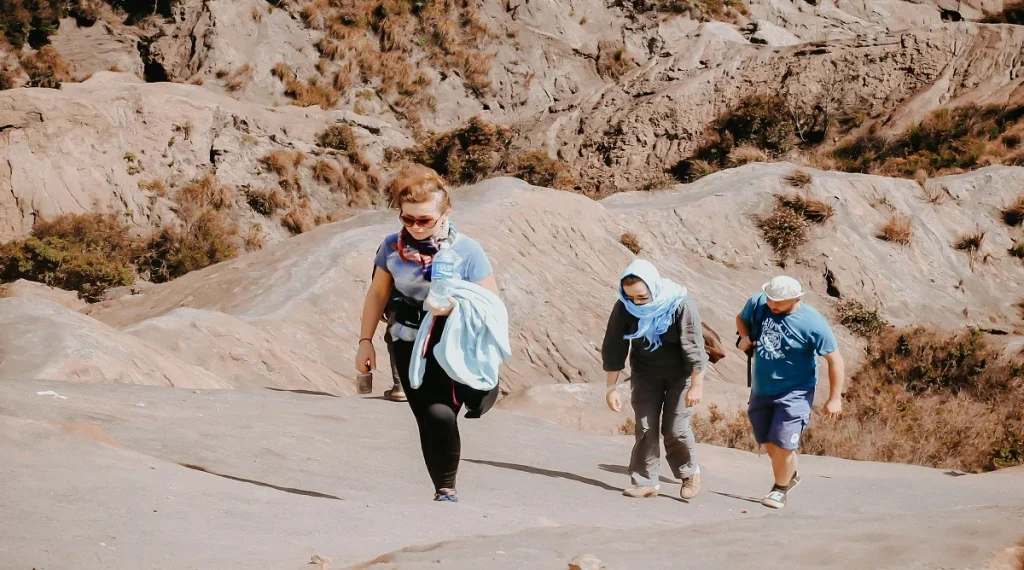
Planning for dry conditions often comes down to asking a few practical questions. How exposed is the route? When will shade appear? Is there an early climb? Is there enough water if the hike takes longer than expected? Dry heat becomes easier to handle when planning is based on actual exposure, not just the temperature.
Outdoor educators often recommend starting earlier in the day, keeping hydration steady, pacing realistically, and staying flexible about turnaround times on exposed trails. These small adjustments can make the hike feel much more manageable without changing the overall goal.
Credit: Kuprit / Pexels
Frequently Asked Questions
Q: Why does dry heat feel easier at first but harder later?
A: Dry air can feel less sticky and more comfortable early on, but the body may still be losing water steadily. That delayed effect often makes fatigue more noticeable later in the hike.
Q: Is dry heat safer than humid heat for hiking?
A: Not necessarily. Dry conditions can still be demanding because water loss may happen quickly and quietly. Trail heat exposure, pace, and route shade often matter more than one weather label alone.
Q: How should hikers change pace in dry weather?
A: Many hikers do better with a steadier and slightly slower pace, especially on climbs or exposed sections. Controlled effort often protects energy and hydration better than trying to move quickly.
Q: What matters most on dry, exposed trails?
A: Water planning, pace control, shade use, and realistic route timing often matter most. Dry heat on hiking trails usually becomes easier to manage when these factors are considered early.