
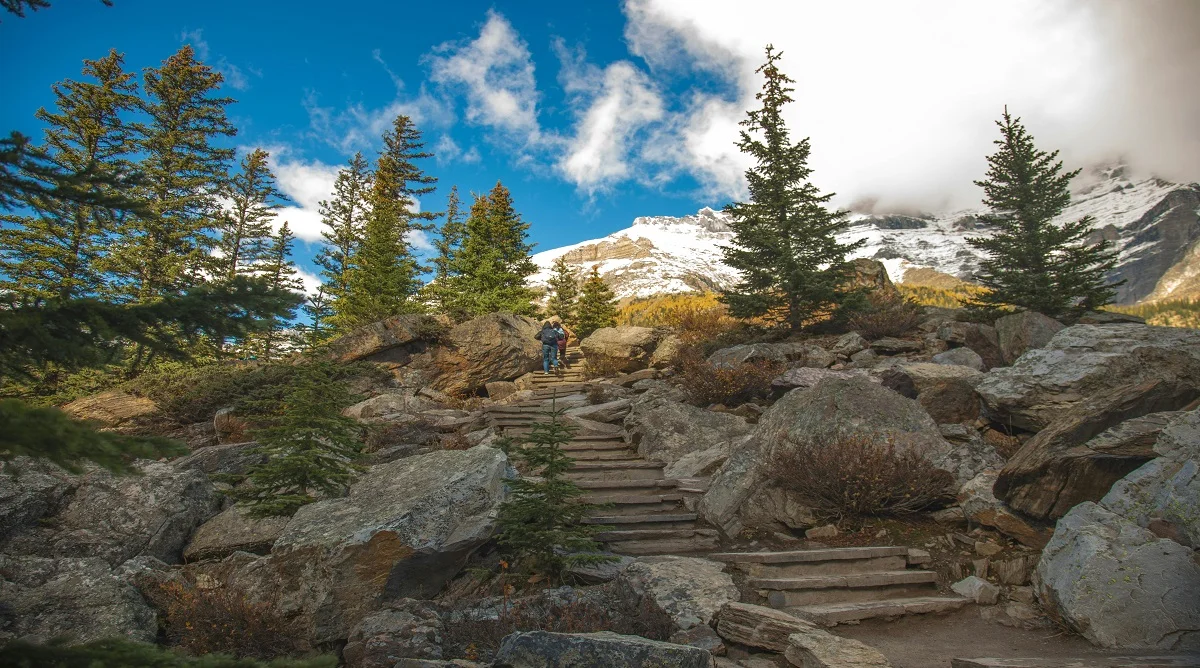
Shorter hiking steps may not look as bold as long, confident strides, but they can make challenging trails feel far more manageable. Many hikers find that a route feels smoother when each step is controlled and deliberate rather than stretched too far ahead. This simple shift often has a bigger impact on balance, pacing, and overall comfort than expected.
Outdoor movement educators often explain that efficient hiking isn’t just about strength. It’s also about finding a rhythm the body can maintain across different surfaces and inclines. Trail coaches note that shorter hiking steps help hikers stay steadier on uneven ground, especially when the terrain requires careful attention with every step.
Why shorter hiking steps improve balance on uneven ground
Uneven terrain becomes more difficult when the foot lands too far in front of the body. Long steps can make it harder to adjust if the ground shifts, slopes, or feels unstable. Shorter hiking steps tend to keep the body more centered over the feet, which improves balance on roots, rocks, and loose surfaces.
Trail safety educators often explain that staying centered gives hikers more time to react. If a stone shifts or the ground softens unexpectedly, a shorter step makes it easier to absorb the change without needing a sudden correction.
How shorter hiking steps help on uphill sections
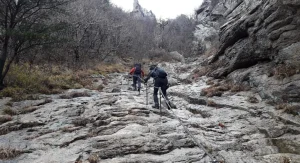
Climbing can feel tougher when hikers try to power upward with long strides. That approach quickly increases effort and can make breathing feel less controlled. Shorter hiking steps support a steadier uphill rhythm because each movement requires slightly less force and is easier to repeat.
Fitness specialists often note that comfort on climbs depends more on rhythm than raw power. Hikers tend to conserve energy better when they shorten their stride and move in a consistent pattern instead of pushing hard with every step.
Why descents benefit from shorter hiking steps too
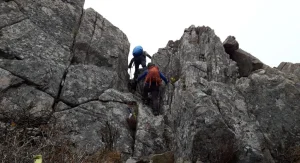
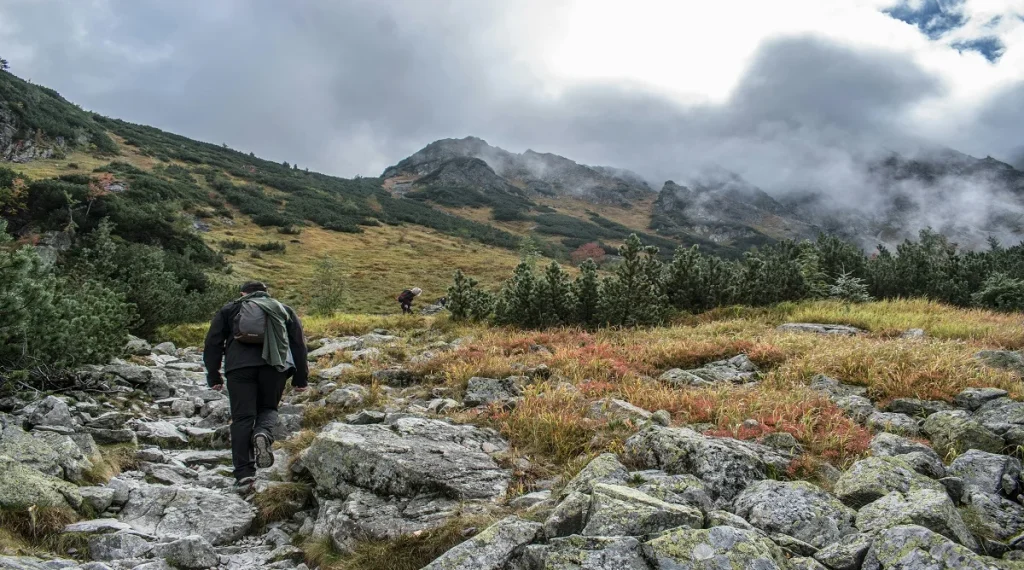
Shorter hiking steps aren’t just helpful on climbs—they also make descents easier. When hikers reduce stride length and avoid reaching too far downhill, they maintain better control. Long downhill steps often lead to harder impact, reduced balance, and less stability on loose or angled terrain.
Outdoor instructors often recommend shorter steps on steep descents because they reduce the braking force the body has to handle. This helps prevent shaky legs and allows for a steadier, more controlled movement over longer downhill stretches.
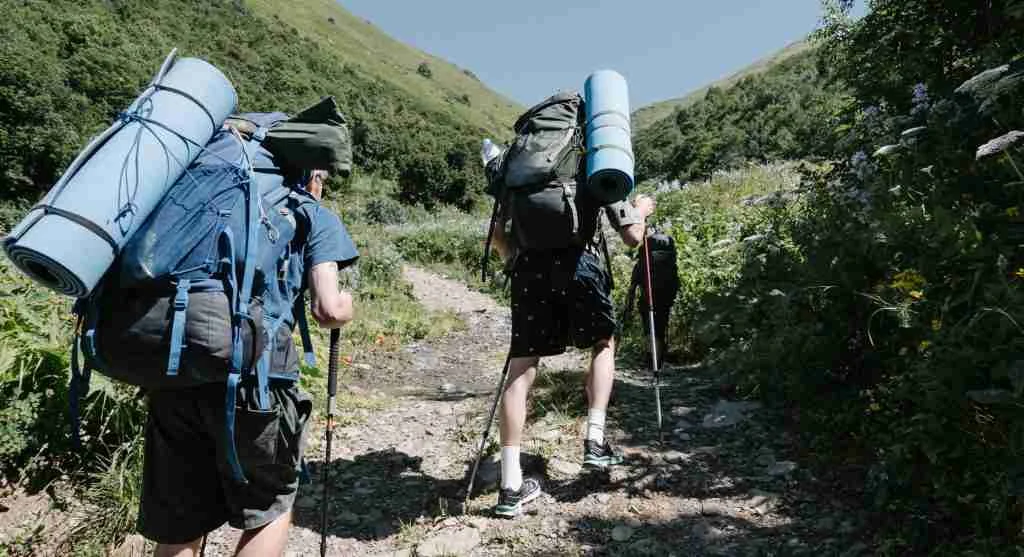
Credit: Karolina / Pexels
How trail pacing becomes easier with a smaller stride
Many hikers assume pace is mainly about speed, but it often comes down to how sustainable each step feels. Shorter hiking steps can improve trail pacing by making movement more consistent over long stretches. You may not move noticeably faster, but the hike often feels smoother and less tiring overall.
Endurance coaches often explain that strong pacing is about managing effort, not demonstrating speed. A slightly shorter stride can reduce wasted motion and help maintain a steady, reliable rhythm from start to finish.
Why shorter hiking steps help on loose and slippery surfaces
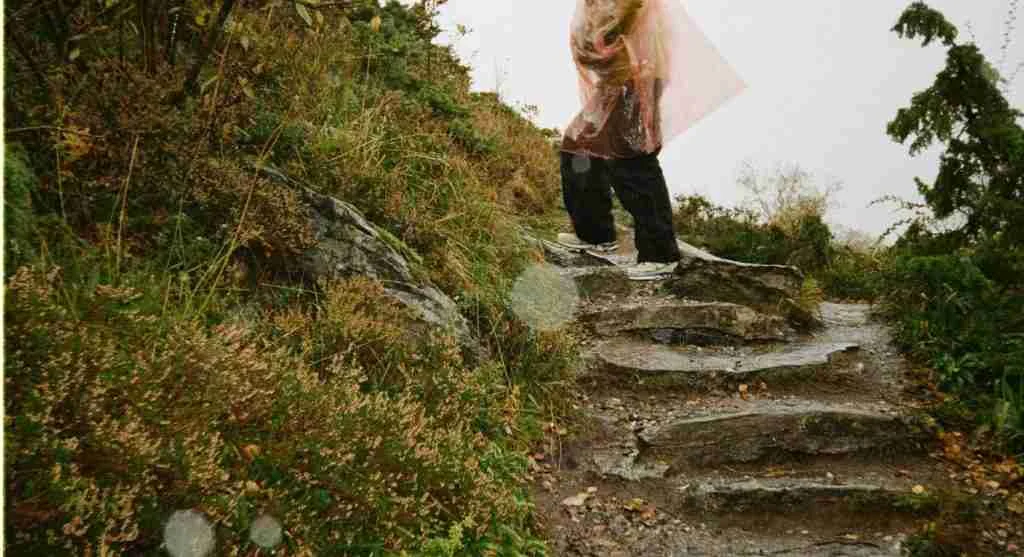
Loose gravel, wet leaves, dust, and muddy ground tend to punish overreaching. When a foot lands too far ahead, even a small slip can feel more disruptive because the body is less centered and slower to recover. Shorter hiking steps help lower this risk by keeping movement compact and easier to control.
Outdoor safety professionals often note that slippery conditions favor smaller, more controlled movements. The goal isn’t stiffness or hesitation—it’s maintaining enough control that each step can adjust easily if the surface shifts unexpectedly.
How shorter hiking steps can reduce fatigue over time
Longer strides can feel efficient at first, especially on smooth terrain. On steeper or rough trails, though, they often increase fatigue because the body has to make larger corrections and absorb more impact. Shorter hiking steps tend to distribute effort more evenly and reduce the sharper strain that builds up in tired legs.
Fitness educators often point out that the difference isn’t always obvious right away. The benefit usually shows up later, when the body still feels steady in sections that might otherwise lead to uneven pacing or unstable footing.
Why hikers sometimes resist taking shorter hiking steps
Some hikers associate longer strides with strength, confidence, or progress. That mindset can make shorter steps feel overly cautious, even when the terrain calls for them. In reality, shorter hiking steps often reflect good judgment, as they match movement to the conditions rather than to appearance.
Outdoor coaches often remind hikers that efficient movement doesn’t always look powerful. On steep or technical sections, the most effective approach is usually the one that feels controlled and sustainable, not dramatic.
How hikers can build this habit more naturally
Many hikers develop this habit by paying attention to when the trail starts to feel unstable or tiring. At that point, slightly shortening the stride can help restore balance and rhythm. Over time, these adjustments often become automatic on climbs, loose surfaces, or narrow descents.
Movement specialists often suggest using the terrain as a cue. When footing feels uncertain, pace starts to rush, or the body leans too far forward or back, shorter hiking steps can help bring things back under control and make the trail feel manageable again.
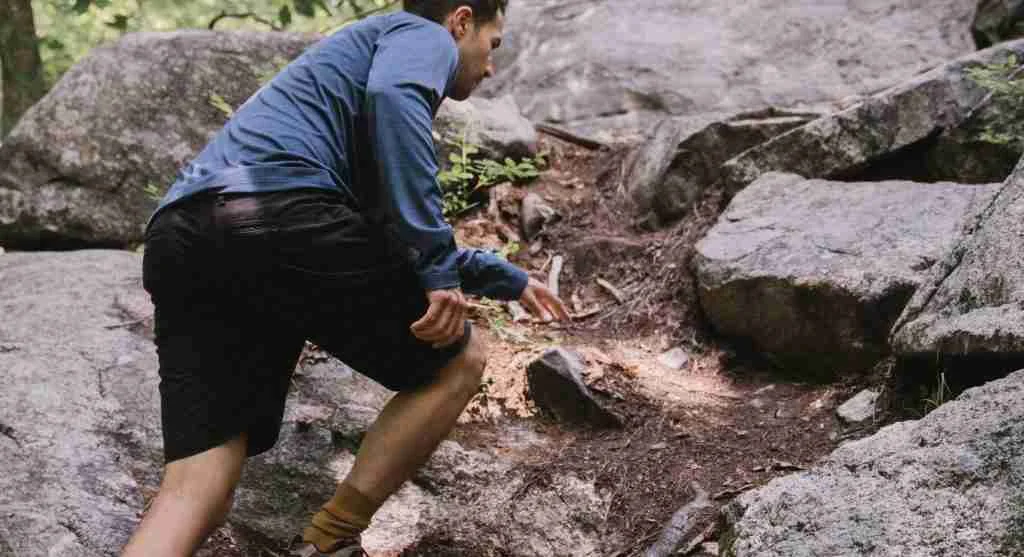
Credit: Darina Belonogova / Pexels
Frequently Asked Questions
Q: Why do shorter hiking steps help on steep trails?
A: They usually improve control and reduce how much force each step requires. That often helps hikers stay steadier on both climbs and descents.
Q: Are shorter steps only useful for beginners?
A: No. Hikers of all experience levels often benefit from shorter steps when terrain becomes steeper, looser, or more uneven.
Q: Do shorter hiking steps make hikers slower?
A: Not always. They may reduce rushed movement, but they often improve overall trail pacing by making effort more sustainable across the full route.
Q: When should hikers switch to shorter steps?
A: Many hikers benefit when footing becomes uncertain, climbs get steeper, or descents begin to feel unstable. Those are often the moments when shorter steps improve control the most.