

People often think of giving up on a hike and going back as failing, but those who know about being safe outside will probably tell you it’s one of the very best things a hiker can do. Most problems on trails aren’t caused by one big error. Instead, they start when a hiker carries on for too long despite the weather being different, their energy levels dropping, their speed slowing, or the sun beginning to set.
People who teach about the outdoors frequently say being able to judge a trail correctly means spotting little shifts in conditions at the start. And rescue teams who look for people on trails will also say you have far more choices for a safe route earlier in the day than you do as it gets later. Getting around in time is a good way to look after both how comfy you are and how safe you are.
Why turning back on a hike is often a sign of good judgment
When you’re out hiking, a really good way to be safe is to realize your intentions aren’t set in stone from the moment you start walking. Things like the weather, your stamina, or how quickly you’re covering the ground can all be different than predicted. Actually deciding to go back during a hike is a sign of being sensible; it means you’re dealing with what’s actually happening, not just sticking to what you thought would happen.
Experienced guides in the outdoors will frequently say that trails don’t care if you’re determined to do something. It’s usually a much smarter move to change your plans relatively soon if you find the trail isn’t really working for the day, instead of pushing on and trying to make your original idea happen.
How hiking turnaround time protects energy and daylight
How long it takes you to get back from a hike is important, as you’ll still need to concentrate, work at it, and spend time on the way back. Lots of hikers don’t realize how much energy they’ll have to use for the return journey, particularly after a long uphill or in the heat. Coming back too late can make the last part of your hike a hurried and unpleasant experience.
To help with this, people who teach about safety in hiking typically advise deciding on a time to turn around before you start. That takes some of the feelings of the moment out of what you do later. Then, if the trail is slower going than you thought, you’ve already got a specific place to think things over or go back from.
Why slower progress is one of the clearest signs to reassess
How quickly (or slowly!) you’re moving on a trail frequently shows you that a path is getting harder to deal with than you thought. You’ll slow down for lots of things: tricky ground, very steep hills, surprising mud, pausing for photos a lot, or just being tired. And if your speed isn’t keeping you on track with how much time you have, how much daylight is left, or how much strength you have, it’s probably best to go back the way you came.
Outdoor instructors are prone to saying a slower rate of going isn’t necessarily bad. But it is a problem when it eats into your safety cushion. A route at one pace might be fun, yet become a lot more dangerous if it makes you feel rushed as the day goes on.

Credit: Elias Strale / Pexels
How weather changes affect trail decision making
Lots of hikers need to change their plans because of the weather. Wind, rain, fog, intense heat, and falling temperatures all make a trail feel different, and can affect how safely you can finish it. A path that was straightforward when it was calm can become quite a bit harder when the weather alters.
Experts in being safe outdoors generally say you should start thinking about what to do when you first notice the weather is changing. This isn’t to say you have to go back at the first sign of a cloud, but it is to say you should look at how fast you’re going, how much of the trail you have left, how much of the trail is open to the elements, and how comfortable you are, before the weather gets much worse.
Why fatigue should be taken seriously before it becomes obvious
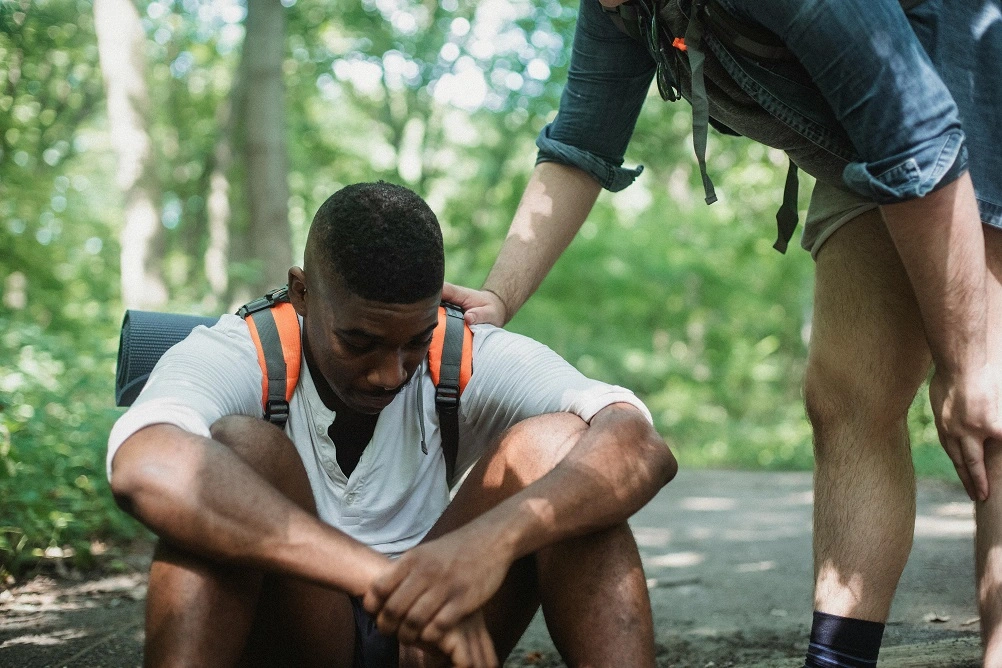
Fatigue doesn’t usually hit you suddenly. Instead, it usually creeps up on you, showing itself in things like a slower pace, feeling less stable on your feet, not being able to concentrate for long, and needing to stop for rests more often. It’s often a good idea to head back on a hike before you are completely wiped out. You can generally deal with fatigue at the beginning of a hike a lot better than when you’re at your limit.
As fitness experts point out, when hikers are tired, their choices become slower and they are less sure of themselves. The path isn’t necessarily any more dangerous, but a body that is tired simply doesn’t handle it as well.
How groups and solo hikers both benefit from earlier turnarounds
Whether you’re hiking with others or on your own, it’s good to be ready to turn around if you need to. When you’re in a group, one person being tired or not feeling good can change how quickly everyone goes and the plan for the day. And if you’re hiking by yourself, you’re the only one making the calls, so you have to be truly honest with yourself about how things are going. Either way, you’ll be safer if you think of turning back as a good option and are willing to do it.
Outdoor leaders will often point out that wanting to go along with the group or just not wanting to give up on something for yourself can both lead to you not making smart choices. You don’t have to finish a trail for it to be a good experience.
Why turning back on a hike often improves future outings
Coming back on the trail (turning around) gives you good insights into the trail itself, how quickly you were going, and how it was to walk, and it doesn’t end in something awful. Hikers who go back before they’d planned actually figure out much more about when to start, what to bring, how much to drink, and how hard the path is than those who get to the end completely exhausted. And you can use what you learn to do much better on your next hike.
Experienced outdoor instructors typically say to think about why you turned around. Was it the heat, the slow going of the ground, needing to stop for more breaks, getting lost with the route, or just being tired? Knowing those specifics will help you plan your route and make better, more sensible choices for the future.
Credit: Lum3n / Pexels
Frequently Asked Questions
Q: When should hikers turn back on a hike?
A: Hikers often benefit from turning back when pace is too slow, weather is changing, energy is dropping, or daylight margin is getting smaller. Early reassessment usually creates better options than waiting too long.
Q: Does turning around mean the hike failed?
A: No. Turning back on a hike is often a sign of strong judgment because it shows the hiker is responding to real conditions instead of forcing the original plan.
Q: What is a hiking turnaround time?
A: A hiking turnaround time is a preplanned point when the hiker will reassess or return, even if the destination has not been reached. It helps manage daylight, energy, and timing more effectively.
Q: Is turning back more important for solo hikers?
A: It is important for everyone, but solo hikers often need to be especially honest because they are making every trail decision alone. Clear hiking safety judgment matters even more without group feedback.
Key Takeaway
If you head back on a hike sooner than you’d initially intended, you’ll conserve energy, have enough daylight, and be much safer. In fact, being safe while hiking frequently involves reacting to how the trail is actually as you go, not just sticking to what you originally planned to do. And when you do wisely decide to turn around, a hike that could have become worrying will often end up being valuable, and something you achieved.