
Trails with repeated small climbs often look easier on paper than routes with one long ascent. The elevation gain may seem moderate, the trail may never appear especially steep, and each hill may look short enough to feel unimportant. On the trail, however, many hikers notice that these rolling routes can feel more tiring than expected.
Outdoor educators often explain that hiking route effort is shaped by rhythm as much as by total climbing. Fitness specialists also note that the body often handles one steady pattern more efficiently than many small interruptions. This is why trails with repeated small climbs can sometimes feel harder than one long steady ascent, even when the map makes them look more manageable.
Why trails with repeated small climbs often feel deceptively easy
One reason these routes get underestimated is that no single rise looks serious enough to deserve much concern. Hikers often glance at the trail profile and see several small humps instead of one major push. That can create the impression that the route will feel light and broken into easy pieces.
Outdoor instructors often explain that the opposite can happen. Each small climb may be manageable by itself, but the body keeps having to restart effort, reset pace, and rebuild momentum. Those repeated changes often create more strain than hikers expect from the profile alone.
How rolling trail fatigue builds through broken rhythm
Rolling trail fatigue often comes from never fully settling into one movement pattern. A hiker climbs briefly, levels out, drops slightly, and climbs again. Just when the body starts finding a rhythm, the trail changes. That repeated pattern often feels more tiring than a steady ascent where effort can stay more consistent.
Movement educators often explain that the body usually becomes more efficient when it can repeat the same kind of work for a longer stretch. Trails with repeated small climbs often prevent that efficiency because the legs and breathing keep shifting between recovery and renewed effort.
Why short climbs can still change hiking route effort
A short climb may seem too small to matter much, especially early in the day. Yet repeated short climbs often add effort in quiet layers. The hiker keeps spending energy to get back uphill without ever feeling like one big climb has started. This can make the route feel strangely tiring because the work stays scattered rather than obvious.
Fitness specialists often note that hikers are usually better at respecting one large obstacle than many small ones. A long climb encourages deliberate pacing. A series of small rises often invites people to keep moving normally until they realize the repeated effort has already taken more from them than expected.
How pace changes make these trails feel harder
Trail pacing changes are often a major reason rolling routes feel difficult. Hikers may speed up on flatter sections, then push a little too hard on the next short rise because it looks brief enough to finish quickly. That repeated pattern can make breathing and leg effort less steady than they would be on one long ascent.
Outdoor coaches often explain that this kind of pacing often feels harmless in the moment. The body keeps responding to the trail section by section rather than to the full route. Later, the whole hike begins to feel heavier because energy was spent in many small bursts instead of one measured effort.
Why recovery between small climbs is often weaker than hikers expect
Many hikers assume the flatter stretches between rises will offer enough recovery to make the route easier. Sometimes they do not. A short level section may not last long enough for breathing and leg strain to settle fully before the next climb begins. Trails with repeated small climbs can therefore feel demanding because recovery keeps getting cut short.
Outdoor fitness educators often explain that this incomplete recovery pattern matters. The body never quite returns to easy movement before it has to work uphill again. Over time, that creates a feeling of constant low-level effort that can be surprisingly draining.
How repeated small climbs affect mental energy too
These routes often feel mentally tiring as well as physically tiring. A long climb is clear. Hikers know what they are dealing with and can settle into it. Rolling climbs are less straightforward. Each time the trail seems to relax, another rise appears ahead. This can make progress feel less satisfying than expected.
Outdoor psychologists often note that repeated small obstacles often feel larger mentally because they keep interrupting the sense of completion. A hiker may think the hard part is over several times, only to find that the trail has one more climb waiting just ahead.
Why terrain matters as much as elevation profile
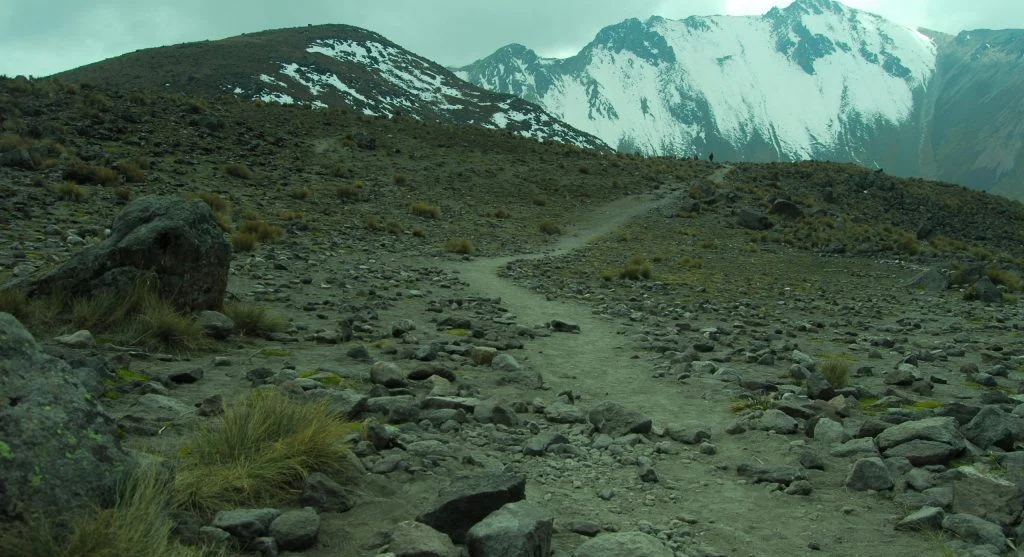
Small climbs become even more tiring when they include rocky footing, loose dirt, roots, or heat exposure. On smooth ground, rolling hills may feel manageable. On rougher or hotter terrain, each short climb asks for more balance, more effort, and more adjustment. Hiking route effort is therefore shaped not only by how often the trail rises, but also by what kind of ground those rises contain.
Trail planners often explain that a moderate-looking route with repeated short climbs can feel much harder if the surface keeps breaking walking rhythm at the same time. This is one reason route profiles alone do not always tell hikers how the day will really feel.
How hikers can pace rolling trails more effectively
These trails often feel easier when hikers stop treating every small rise as something to push through quickly. A calmer pace on both the flatter sections and the uphill sections usually helps. That often means resisting the urge to speed up too much between climbs and then work too hard once the next rise begins.
Outdoor instructors often recommend thinking of the full route as one continuous effort rather than as many tiny problems to solve one by one. That usually leads to steadier breathing and better energy use across the whole hike.
Why one steady ascent can sometimes feel simpler
One long climb often feels easier to manage because the body knows what it is doing. Effort becomes more predictable, rhythm becomes steadier, and hikers are more likely to respect the challenge from the start. Trails with repeated small climbs often feel harder because they keep changing the terms of the effort before the body can settle into one reliable pattern.
Outdoor coaches often explain that simpler does not always mean easier in a physical sense. It can also mean easier to pace, easier to understand, and easier to respond to well. That is often why a long ascent feels clearer and more manageable than a route that keeps rising in pieces.
Frequently Asked Questions
Q: Why can repeated small climbs feel harder than one long climb?
A: They often break rhythm and force the body to keep restarting effort. That repeated change can drain energy more than one steady pattern of climbing.
Q: Do rolling trails usually look easier on maps?
A: Yes. Because no single hill looks major, hikers often underestimate how much the repeated up-and-down effort will affect the full hike.
Q: What is the biggest mistake on trails with repeated small climbs?
A: A common mistake is changing pace too much by speeding up on flatter parts and then pushing hard on each new rise. That often makes fatigue build faster.
Q: How can hikers make rolling routes feel easier?
A: Many hikers do better with a calmer, steadier pace and by treating the whole route as one continuous effort instead of many separate short climbs.
Key Takeaway
Trails with repeated small climbs often feel harder than one long steady ascent because rolling trail fatigue builds through broken rhythm and repeated trail pacing changes. The body usually handles one clear pattern more efficiently than many short restarts of uphill effort. Hikers often manage these routes better when they plan for steadiness instead of treating each small climb as too minor to matter.