
Outdoor instructors often explain that strong trail walking skills begin with noticing what the ground is about to do, not only what it is doing under the feet right now. Movement specialists also note that hikers usually feel more confident when they respond to surface clues early instead of waiting for a slip, heavy step, or broken rhythm to force the adjustment.
Why it helps to read a trail surface early
The ground often changes before hikers consciously notice it. Firm dirt may begin mixing with pebbles, roots may appear under leaves, or dry tread may darken with moisture. These small signs often predict how the next few steps will behave. Hikers who read a trail surface early usually move more smoothly because they prepare before the surface starts taking control of their pace.
Outdoor educators often explain that the goal is not to analyze every inch of trail. The goal is to spot simple clues soon enough that the body can make small changes in stride, speed, and balance without needing a bigger correction later.
How to look a few steps ahead instead of only down
Many hikers look only at the next immediate landing point. That can work on very easy ground, but it often becomes limiting when the surface starts changing. A better pattern is usually to notice the next few steps ahead while still staying aware of where the feet are landing now. This helps hikers read a trail surface early without losing control of the present step.
Movement coaches often explain that this visual habit improves rhythm. The body has a moment to prepare instead of reacting only after the foot has already landed on a less stable surface. That small time advantage often makes the next section feel calmer and easier to manage.
What darker or shinier patches can reveal
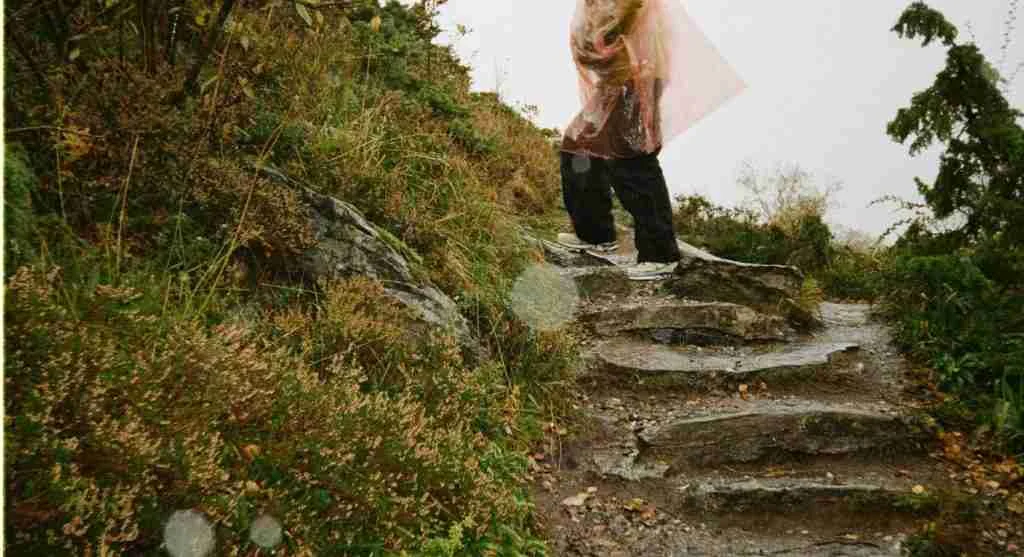
Changes in color often give useful clues. Darker trail sections may suggest damp soil, recent moisture, or mud. Shinier spots can signal smoother rock, wet roots, or compacted ground with less traction. Hikers who read a trail surface early often notice these visual shifts before the feet fully feel them.
Trail safety educators often explain that these patches do not always mean danger. They do, however, often mean the next steps may need slightly more care. A small pace change before reaching them usually works better than reacting after the first slippery landing.
How to spot when firm dirt is about to turn loose
One of the most useful trail walking skills is noticing when firm tread begins to break apart. Small loose stones, dusty top layers, scattered gravel, or crumbling edges often show that traction may decrease soon. These signs often appear just before hikers start feeling the surface slide slightly underfoot.
Outdoor instructors often recommend treating these clues as early signals rather than waiting for the first awkward step. When hikers shorten stride and calm pace a little before the surface fully loosens, the section often feels much more manageable.
Why roots and leaf cover need earlier attention
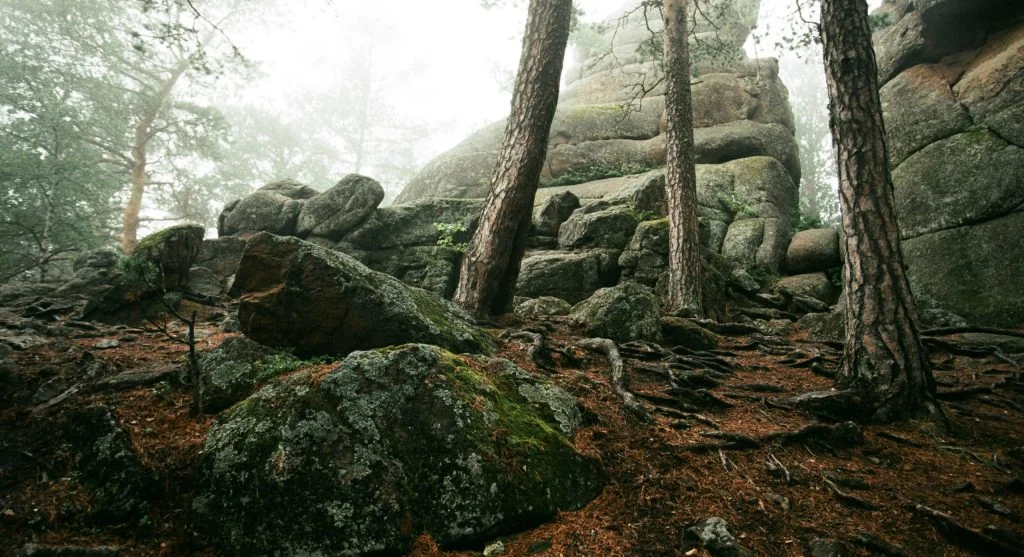
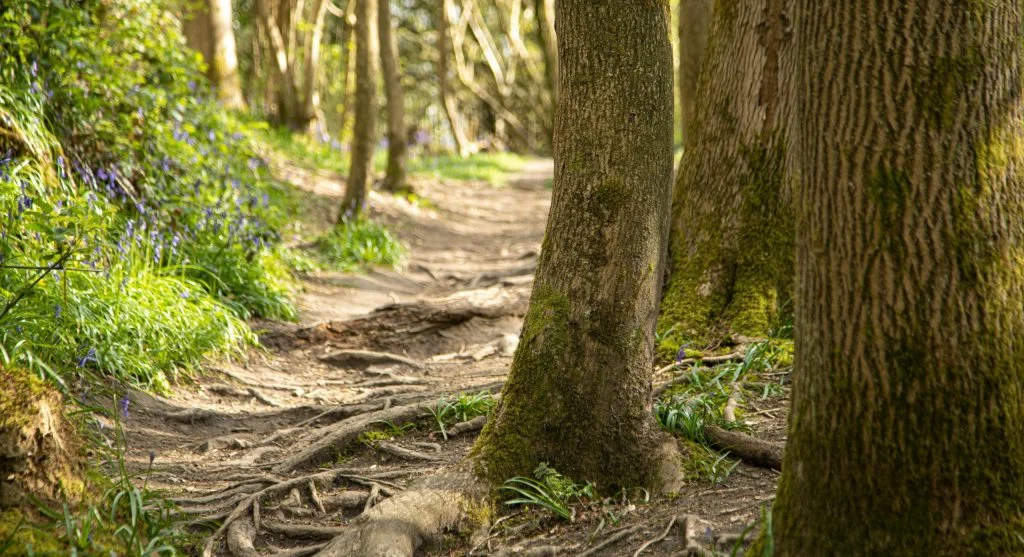
Roots and leaves often hide each other in ways that make the ground less predictable. A dry-looking layer of leaves may cover damp roots, or a smooth root may appear only at the last moment if the hiker is not reading ahead. Hikers who read a trail surface early usually have a better chance of spotting these mixed surfaces before the foot lands too quickly.
Trail safety specialists often explain that root-heavy ground is less about speed and more about timing. The surface usually feels easier when hikers let their eyes notice the pattern ahead instead of discovering it one footfall at a time.
How slope changes the meaning of the same surface
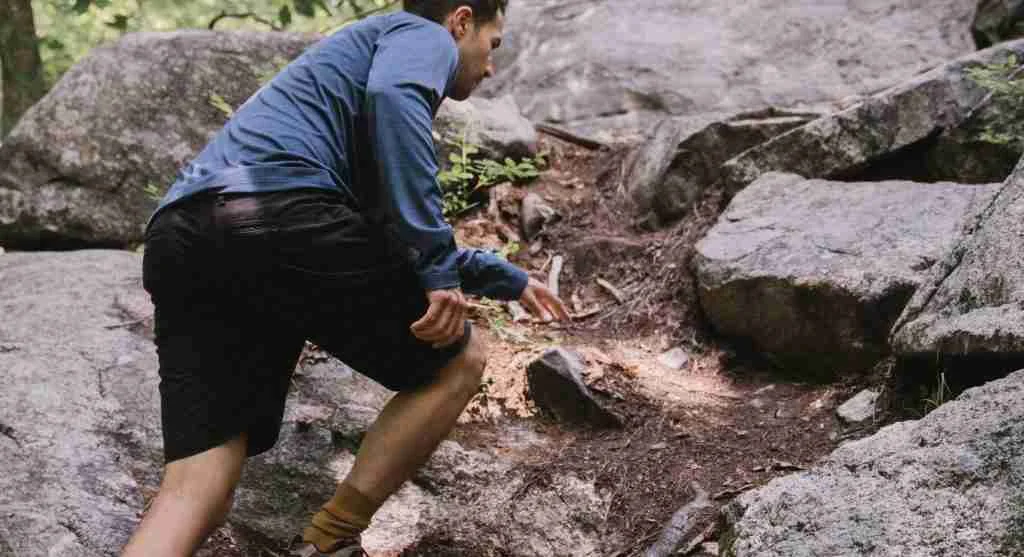
A surface that feels fine on flat ground may feel very different on a descent or side slope. Loose dirt, scattered rock, or shallow mud often becomes more important when the body is already controlling momentum or balance. Learning to read a trail surface early also means asking how the angle of the trail will change the next few steps.
Movement educators often note that hikers often focus on the material itself and forget the angle beneath it. Yet slope is often what turns a minor footing change into something that requires a real pace adjustment.
How to use the first warning step as information
Even with good awareness, hikers will still sometimes discover a new surface through one small unstable step. That moment is usually most useful when it is treated as information instead of as something random. If one landing feels softer, looser, or less secure than expected, the next few steps often deserve more attention.
Outdoor coaches often explain that hikers who read a trail surface early still benefit from listening to the body. The feet often confirm what the eyes suspected. When both visual clues and body clues point the same way, the next section usually calls for a slightly different walking rhythm.
Why small early adjustments save more energy
Late corrections often waste more energy than early ones. If hikers wait until the surface is already causing slips, stumbles, or repeated braking, the body has to work harder to recover. Small early adjustments such as shorter steps, steadier posture, and slower pace usually cost much less.
Fitness specialists often explain that this is one reason experienced hikers sometimes look smoother on changing terrain. They are not always stronger. They are often simply making the change earlier, before the trail starts taking extra energy from them.
How to build this skill without overthinking the trail
This habit does not require constant tension. Hikers often get better by noticing only the biggest useful surface clues: darker patches, loose texture, visible roots, rock shine, narrowing tread, or a slope change ahead. Over time, these clues become easier to recognize without slowing the whole hike into continuous analysis.
Outdoor educators often suggest using a simple question every so often: does the next section look like it will walk the same way as the last one. That one question often keeps hiking footing awareness active without making the trail feel mentally crowded.
How early surface reading makes the next section feel easier
The main benefit is not that the trail becomes easier on its own. It is that the hiker meets it in a better way. When pace, stride, and balance already match the surface ahead, the route usually feels smoother, safer, and less tiring. That is why learning to read a trail surface early often changes the full feel of a hike more than hikers first expect.
Outdoor instructors often explain that easier walking usually comes from better matching, not from forcing one walking style onto every kind of terrain. Once hikers understand that, changing trail surfaces often feel less like surprises and more like normal parts of the route.
Frequently Asked Questions
Q: What does it mean to read a trail surface early?
A: It means noticing visual and footing clues ahead of time so pace and movement can adjust before the ground becomes awkward or unstable.
Q: What surface clues matter most on hiking trails?
A: Common clues include darker damp patches, loose gravel, exposed roots, shiny rock, leaf cover, and slope changes that affect how the next steps will behave.
Q: Does this help only on difficult trails?
A: No. Even moderate trails often include changing surfaces. Reading them early often helps hikers stay smoother and more efficient on almost any route.
Q: How can hikers practice this without slowing down too much?
A: Many hikers do well by looking a few steps ahead, noticing only the biggest changes, and using simple early adjustments instead of waiting for a bigger mistake.
Key Takeaway
Learning to read a trail surface early helps hikers adjust pace, stride, and balance before the next section begins creating problems. Strong hiking footing awareness usually comes from noticing simple clues ahead of time instead of reacting only after the ground feels unstable. In many cases, the easiest trail skill is simply seeing the surface change soon enough to meet it well.