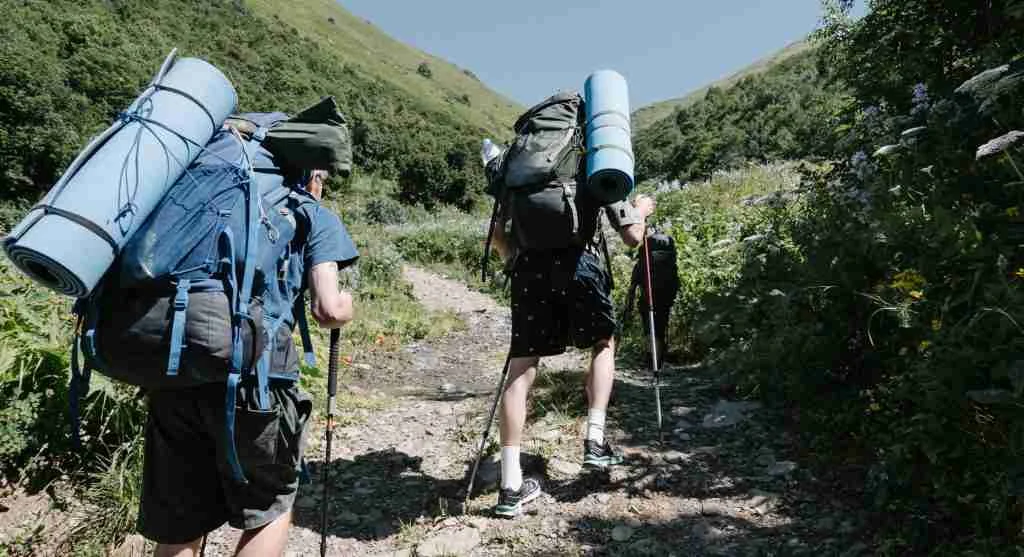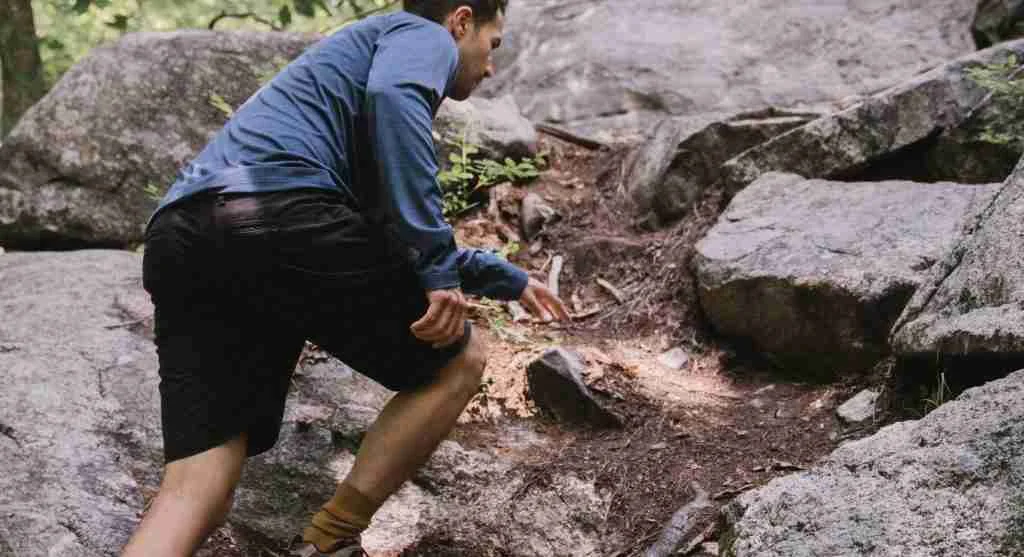

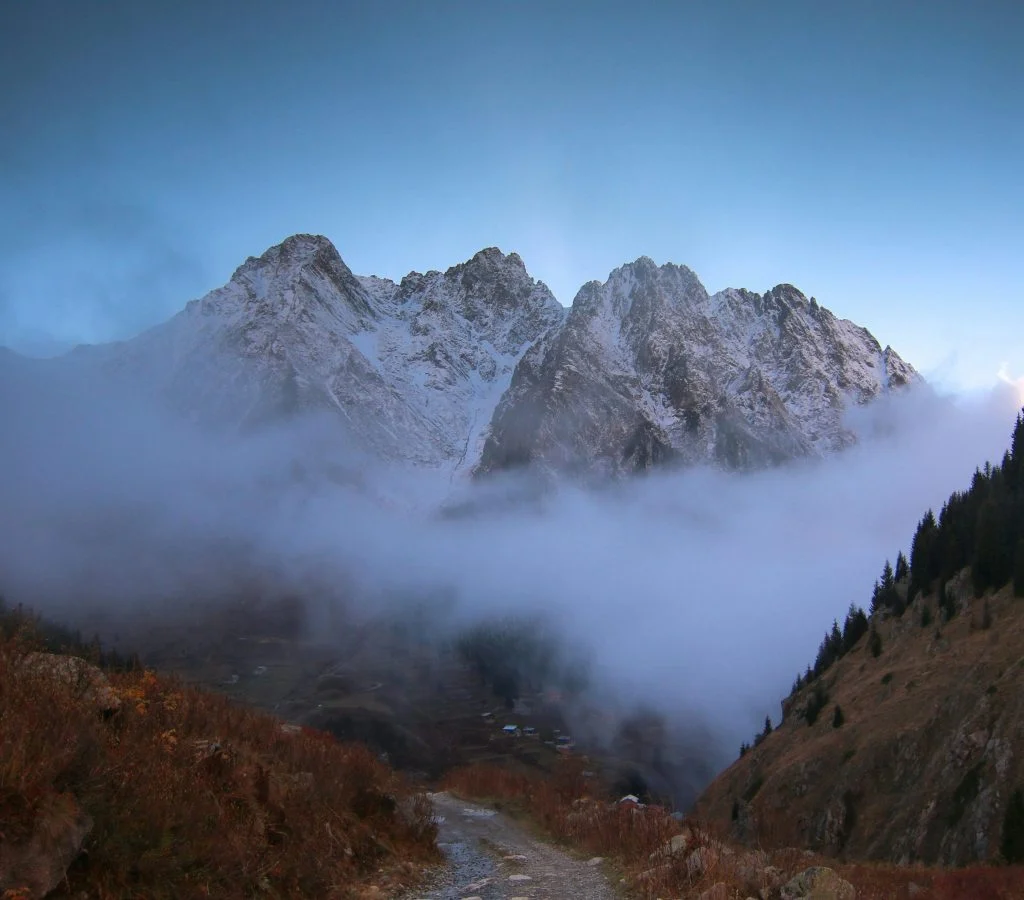
Morning temperature changes often affect a hike more than hikers expect because the trail rarely feels the same from start to finish. A route may begin in cool air, soft light, and comfortable layers, then shift into warmer sun, stronger exposure, and very different body comfort only a short time later. That change can quietly affect pace, hydration, and overall trail rhythm.
Outdoor educators often explain that changing trail weather matters because hikers tend to plan around the conditions they feel at the trailhead. Weather specialists also note that morning shifts can happen quickly once the sun reaches open ground, ridges, and exposed sections. This is why an easy-feeling start can lead to a much different trail experience later in the same outing.
Why morning temperature changes can feel small at first
One reason morning temperature changes get underestimated is that early trail comfort often feels very pleasant. Cool air, light movement, and fresh energy can make the day seem easy to manage. In that moment, hikers may assume the conditions they feel now will stay mostly similar through the next few hours.
Outdoor instructors often explain that this early comfort can hide how fast the trail may warm once sunlight strengthens. Forest edges, open slopes, and rocky surfaces often heat up noticeably faster than hikers expect while they are still thinking in terms of the cooler start.
How changing trail weather affects pace and effort
Changing trail weather often affects pace before hikers fully notice the reason. A rhythm that felt easy in cool air may begin to feel heavier once the body warms and the trail loses shade. Morning temperature changes can therefore turn a steady pace into a slower one even when the trail itself has not become much steeper or rougher.
Fitness specialists often note that hikers may interpret this as simple fatigue. In reality, the body may be responding to warmer conditions that now make every step cost slightly more effort than it did earlier. That small increase often adds up over time.
Why trail layering habits matter early in the day
Trail layering habits often shape how comfortable a hiker feels when morning conditions start shifting. Clothing that feels perfect at the trailhead may become too warm after a climb or after the sun reaches a more exposed section. If layers are difficult to adjust, the body may stay warmer than needed for too long.
Outdoor clothing educators often explain that morning temperature changes are easier to manage when layers are simple to remove, carry, and re-add later if needed. The goal is not to predict one perfect setup for the whole day. The goal is to stay ready for the trail to feel different from one hour to the next.
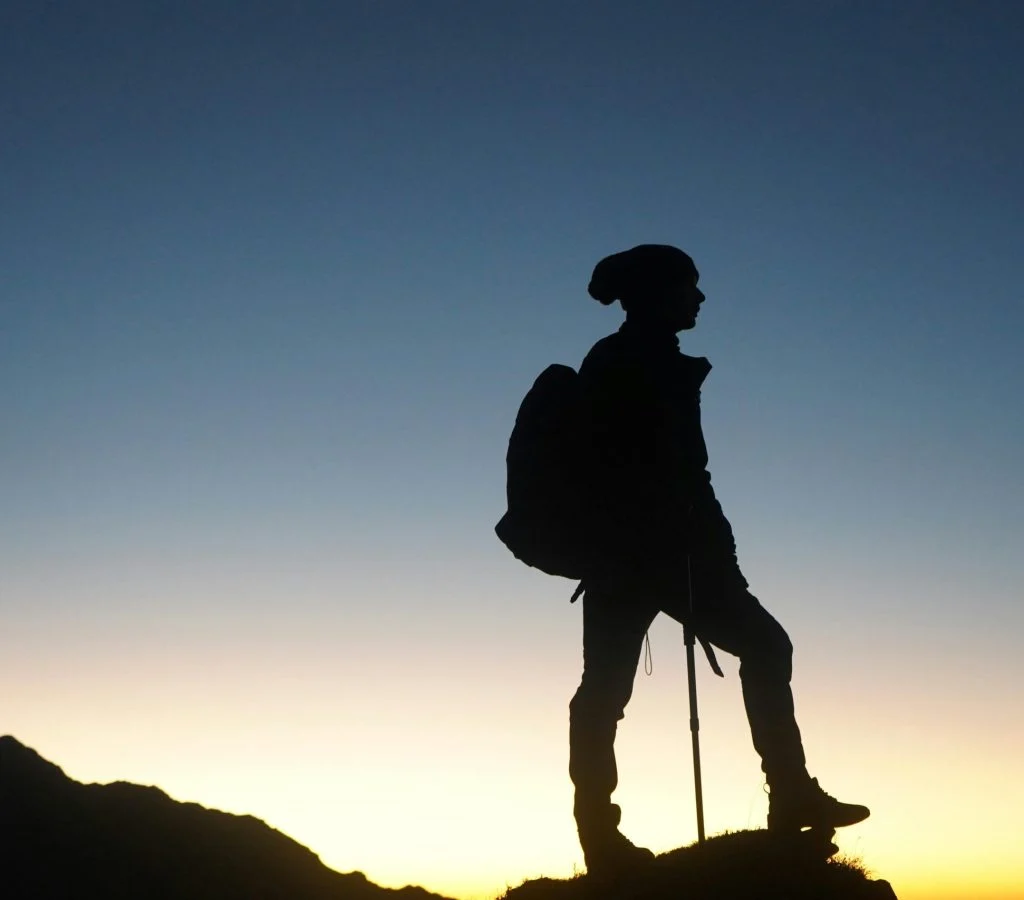
How sun exposure changes the feel of the same route
A trail can feel very different depending on when and where the sun reaches it. A shaded start may feel calm and cool, while the same trail higher up or farther along may suddenly feel much warmer. Morning temperature changes often become most noticeable where forest cover opens, rock reflects heat, or the route turns toward direct light.
Outdoor weather educators often explain that this is why a forecast alone does not always tell hikers how the day will feel in motion. The trail’s layout matters too. Exposure timing often changes body comfort more than people first assume.
Why hikers often delay water changes until too late
When the hike starts cool, many people drink less often because heat does not feel like a concern yet. Later, when the route warms, the body may already be behind where it should be on hydration. Morning temperature changes can therefore affect comfort more than expected because water habits often stay tied to the cooler start instead of adjusting with the day.
Outdoor health specialists often explain that hikers often respond best when they notice warming conditions early rather than waiting for stronger thirst or heavier effort. Small earlier adjustments often work better than trying to catch up later.
How climbs make temperature changes feel stronger
A climb often magnifies a warming trail. The body produces more heat, layers feel heavier, and sun exposure becomes more noticeable. Morning temperature changes therefore tend to feel stronger after uphill sections, especially if the climb begins in cool shade and ends in bright open ground.
Movement specialists often note that this is one reason hikers sometimes feel surprised at a viewpoint or ridge. They finished the climb warm, stopped moving, and suddenly noticed the combined effect of effort, clothing, and changing air conditions all at once.
Why the trailhead temperature can create false confidence
Many hikers judge the whole day by how the parking area or first trail section feels. That is understandable, but it can create false confidence. The trailhead may sit in shade, lower elevation, or calmer air than the upper route. Morning temperature changes often matter more than expected because the hike may leave that starting pocket of comfort very quickly.
Outdoor guides often explain that this is especially true on routes with mixed forest and open sections. A mild beginning does not guarantee a mild middle or a mild return. Good planning usually assumes the trail will feel different later unless there is strong reason to expect otherwise.
How hikers can plan better for early weather shifts
Better planning often starts with expecting a range of comfort rather than one fixed condition. Hikers usually do better when they assume the start may be cool, the middle warmer, and exposed sections more demanding than the trailhead suggests. Morning temperature changes become easier to manage when the route is treated as a moving weather experience instead of one stable forecast point.
Outdoor instructors often recommend flexible layers, easy water access, and slightly calmer pacing during the first warming part of the hike. These simple habits often help the full route feel steadier even when the weather seems to change quickly around it.
Why small early adjustments often protect the whole hike
A quick layer change, a few early drinks of water, or a small pace reduction can make a large difference once the day begins warming. Morning temperature changes usually become hardest when hikers ignore them until discomfort is already strong. Earlier response often keeps the trail feeling manageable without any dramatic correction later.
Outdoor coaches often explain that the best trail decisions are usually small and timely. Hikers often stay more comfortable not by solving a big problem later, but by noticing the quiet shift in conditions soon enough to make one easy change now.
Frequently Asked Questions
Q: Why do morning temperature changes matter so much on hikes?
A: They can affect pace, hydration, layering, and comfort more than expected because the trail often warms faster than hikers realize after the cool start.
Q: Why does a hike feel easy at first and harder later in the morning?
A: Cool air, fresh energy, and early shade often make the start feel easier. As sun and exposure increase, the body usually works harder to stay comfortable.
Q: Should hikers dress for the cool start or the warmer middle of the day?
A: Usually both. Flexible trail layering habits often work best because the day may begin cool and then change quickly once the route becomes more exposed.
Q: What helps most when the trail starts warming up?
A: Small early adjustments often help the most, such as removing a layer, drinking water sooner, and easing pace slightly before the warmth feels strongly tiring.
Key Takeaway
Morning temperature changes often affect a hike more than expected because hikers tend to plan around the cool start instead of the warmer trail conditions that come later. Changing trail weather can quietly shift pace, hydration needs, and comfort long before the route looks more difficult. Small early adjustments in layers, water, and rhythm usually make the biggest difference.