
Open ridge trails often feel more tiring than forest paths, even when both are part of the same hike and cover similar distance. Many hikers notice this difference right away. The body may feel calmer and steadier under tree cover, then suddenly feel more exposed, warmer, or more mentally stretched once the trail reaches a ridge. The route has not necessarily become much longer, yet the hiking experience changes quickly.
Outdoor educators often explain that trail comfort depends on more than mileage and elevation. Park staff also note that exposed hiking routes often feel harder because wind, sun, and visual openness all affect how the body and mind respond. This is one reason open ridge trails may drain energy faster than nearby forest paths on the very same day.
Why open ridge trails feel different from forest paths right away
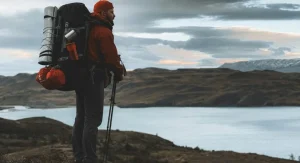
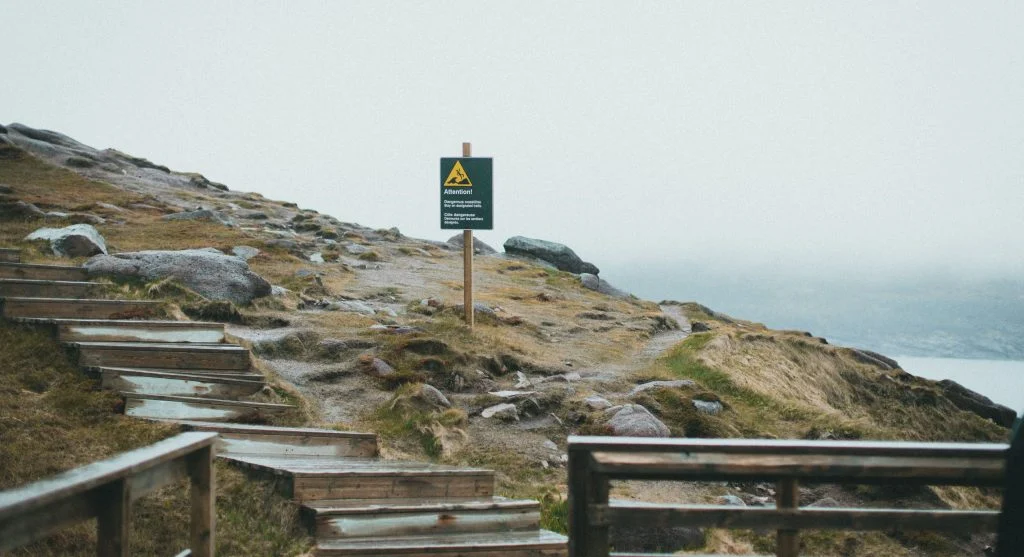
One reason open ridge trails feel different is that the environment changes all at once. Tree cover disappears, the sky opens, and the body loses the sheltered feeling that forest paths often provide. The hiker may still be walking at the same pace, but the surroundings now create a stronger sense of exposure and effort.
Outdoor weather specialists often explain that forest paths soften many conditions without hikers fully noticing. Shade, reduced wind, and filtered light make movement feel steadier. Once the trail reaches a ridge, those quiet supports disappear, and the body begins responding to the full conditions of the day.
How exposed hiking routes affect energy use
Exposed hiking routes often require the body to manage more at once. Direct sun may raise body temperature, wind may cool or dry the skin faster, and the open setting may make each step feel more noticeable. Open ridge trails can therefore feel more tiring because the body is working harder to maintain comfort while still moving forward.
Fitness specialists often note that this effort is not always dramatic at first. Hikers may simply feel that the ridge takes more out of them. That feeling often comes from small added demands rather than from one obvious obstacle.
Why sun exposure makes ridge walking feel heavier
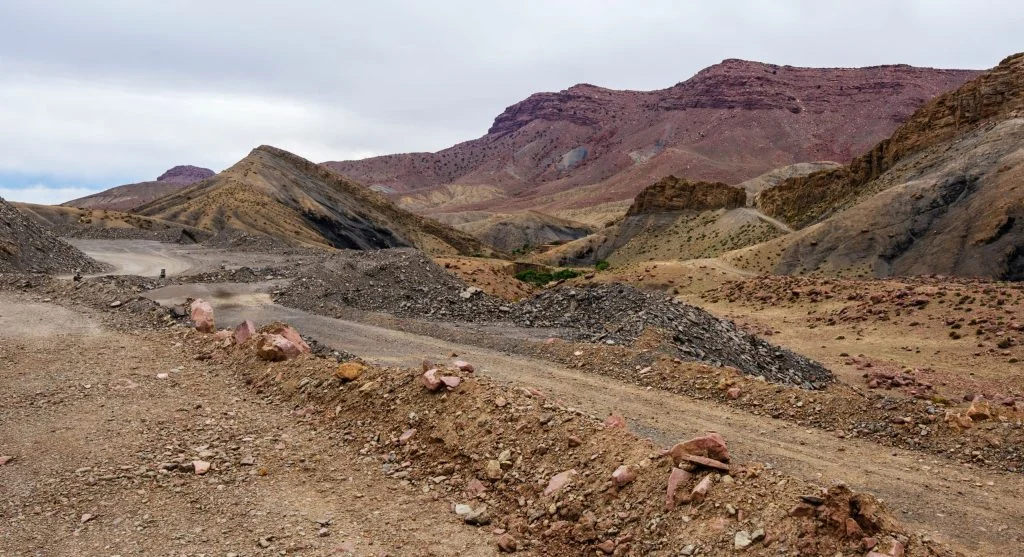
Forest paths often offer shade that protects the body from steady direct sun. On a ridge, that protection is usually reduced or gone. Even in mild weather, sunlight can build gradually and make the trail feel more demanding than the map suggests. Open ridge trails often seem more tiring because the body is carrying the extra work of sun exposure through the whole section.
Outdoor health educators often explain that hikers sometimes underestimate this because the ridge may also feel breezy. The breeze can make the air feel pleasant while the sun is still increasing the total effort. That combination often hides fatigue until later in the hike.
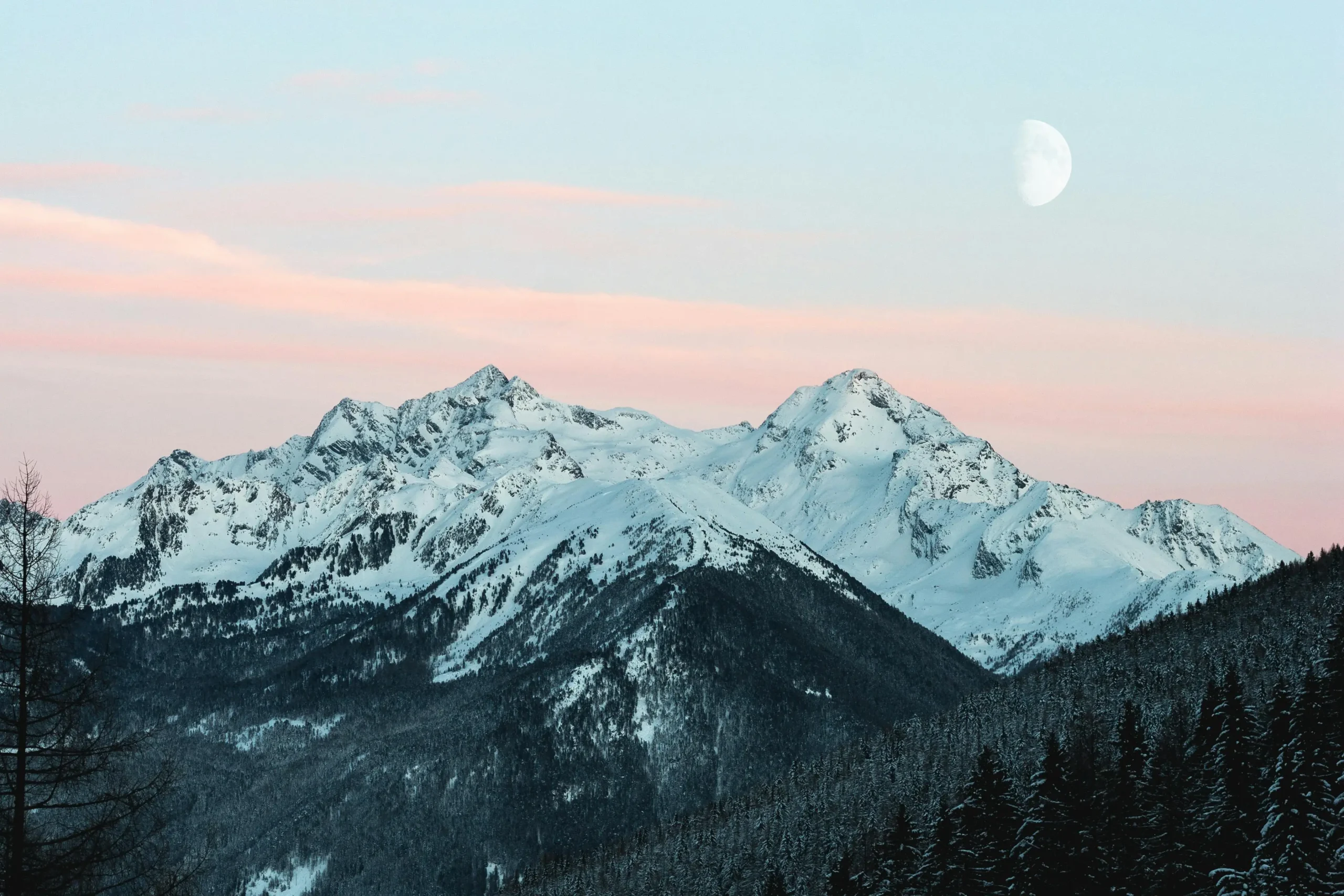 Credit: Jake Melara / Pexels
How wind changes trail comfort differences
Wind often adds another layer to the difference between open ridge trails and forest paths. In the woods, air movement may feel mild and broken up by trees. On a ridge, the same day can feel much more active because wind reaches the body more directly. This can be refreshing for a short time, but it can also make the hiker feel less settled and more physically aware of the route.
Outdoor instructors often explain that wind changes how clothing feels, how quickly the body cools during pauses, and how much mental attention the trail requires. A breezy ridge may not feel severe, yet it can still make the section feel less restful than a protected forest path.
Why open views can change mental fatigue
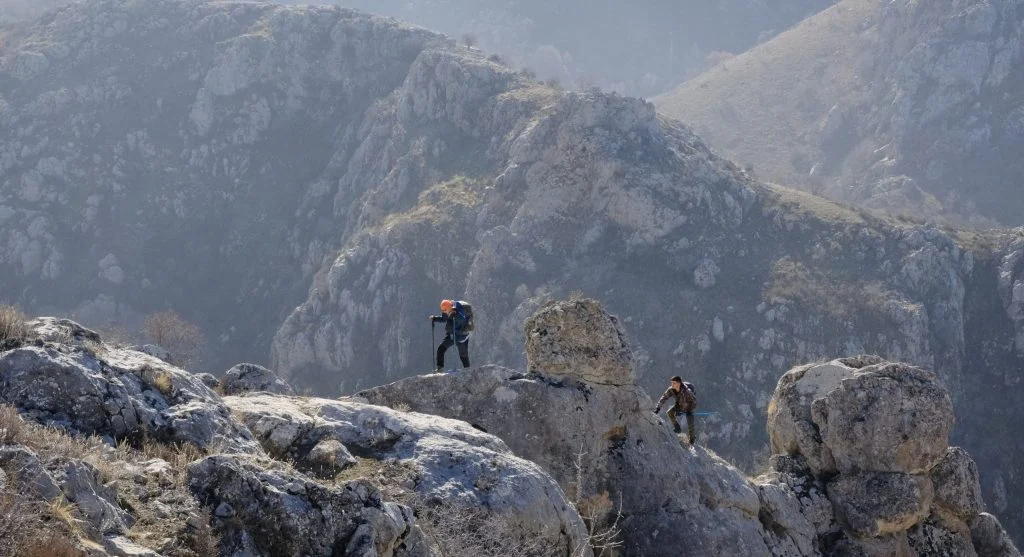
Wide views are one of the most rewarding parts of ridge hiking, but they also change how the mind experiences distance. A forest path often hides what is ahead, which can make effort feel smaller and more contained. On a ridge, the hiker may see the next rise, the next bend, and the next long stretch all at once. Open ridge trails often feel more tiring because the mind is holding more visible distance at the same time.
Outdoor psychologists often explain that this does not mean ridge views are negative. It means open visibility can increase awareness of effort and remaining terrain, which sometimes makes the route feel bigger than it would under tree cover.
How footing feels different on ridge sections
Ridge routes often include rock, narrow tread, side slope, or rougher surface than nearby forest paths. Even when the footing is not especially technical, it may still feel less forgiving because the environment is more open and the trail often appears more exposed. Open ridge trails may therefore feel more tiring partly because each step feels like it deserves more attention.
Trail safety educators often note that exposed sections often change confidence as much as actual footing. A surface that would feel easy in the woods may feel more demanding on a ridge simply because the setting increases awareness of every step.
Why breaks feel different on ridges than in forests
A short break in the forest often feels sheltered and restorative. A break on a ridge may include stronger sun, stronger wind, or less comfortable footing. This can change how much recovery a pause actually provides. Open ridge trails often feel more tiring because even the rest moments may not offer the same calm support found on forest paths.
Outdoor coaches often explain that hikers recover better when the break environment helps the body settle. On a ridge, that is not always easy. A brief stop may still be useful, but it may not feel as complete as a pause in shade and protection lower on the route.
How hikers can plan better for trail comfort differences
Planning for a mixed route often means expecting the ridge to feel different even if it is not the steepest part of the hike. Hikers usually do better when they think about where exposure begins, where shade ends, and how much energy should be protected before the open section. These trail comfort differences often matter more than the map alone suggests.
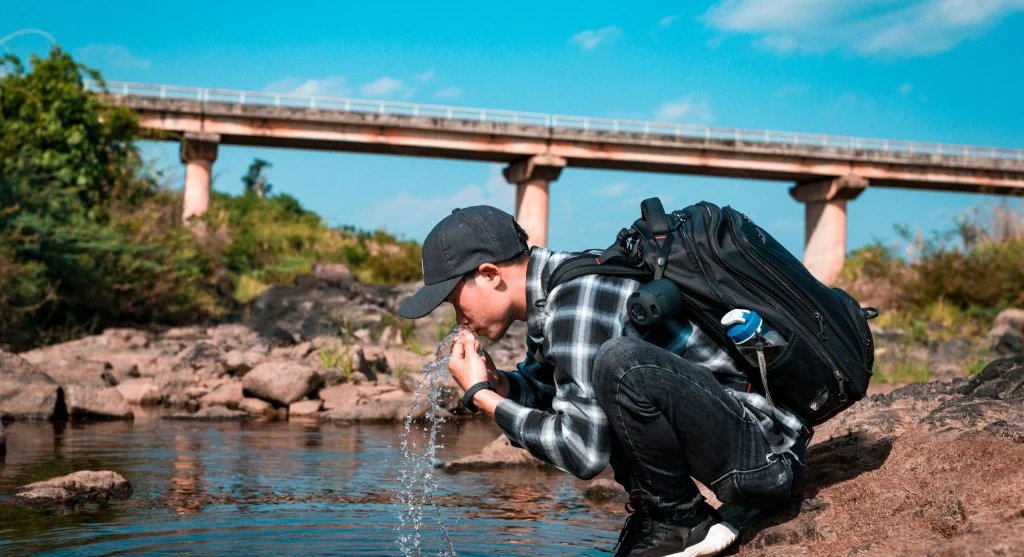
Outdoor educators often recommend steady hydration, a calmer pace entering the ridge, and attention to wind and sun once the route opens up. These small choices often make open ridge trails feel more manageable without taking away what makes them memorable.
Why open ridge trails are rewarding even when they feel harder
Ridge routes often feel more demanding, but they also offer some of the most memorable parts of a hike. Wide views, changing light, and a stronger sense of place are often why hikers seek them out. The goal is not to avoid open ridge trails. The goal is to understand why they may feel more tiring than forest paths so the route can be enjoyed more fully.
Outdoor instructors often explain that hikers usually do best when they treat ridge sections as a distinct part of the trail rather than as just another mile. Once the difference is expected, pacing and comfort often improve, and the ridge feels rewarding instead of unexpectedly draining.
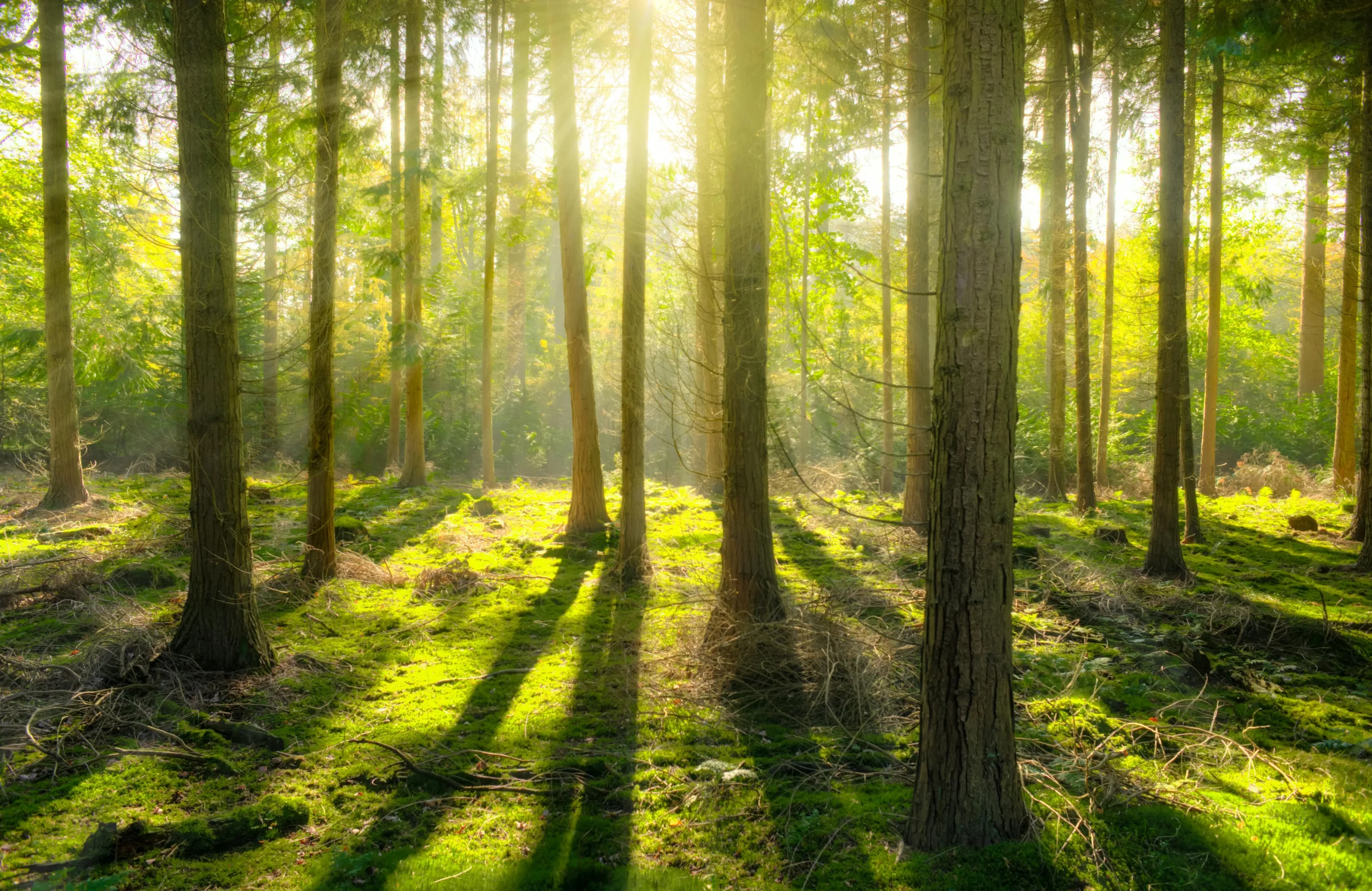
Credit: Lum3n / Pexels
Frequently Asked Questions
Q: Why do open ridge trails feel more tiring than forest paths?
A: Open ridge trails often increase sun exposure, wind, and mental awareness of distance. These factors can raise effort even when the trail distance is similar.
Q: Are ridge trails always physically harder?
A: Not always. The terrain may be similar in grade or distance, but the exposed setting often makes the route feel harder because the body and mind are managing more at once.
Q: Why do forest paths feel easier?
A: Forest paths often provide shade, calmer wind, and a more sheltered environment. Those conditions can make pace feel steadier and reduce overall strain.
Q: How can hikers handle exposed ridge sections better?
A: Many hikers do better by slowing slightly before the ridge begins, staying hydrated, and expecting stronger sun and wind than the forest section provided.
Key Takeaway
Open ridge trails often feel more tiring than forest paths because exposed hiking routes change sun, wind, visibility, and comfort all at once. The physical distance may stay the same, but the experience of each mile often becomes more demanding. Hikers usually enjoy ridge sections more when they expect those trail comfort differences and pace the open terrain accordingly.